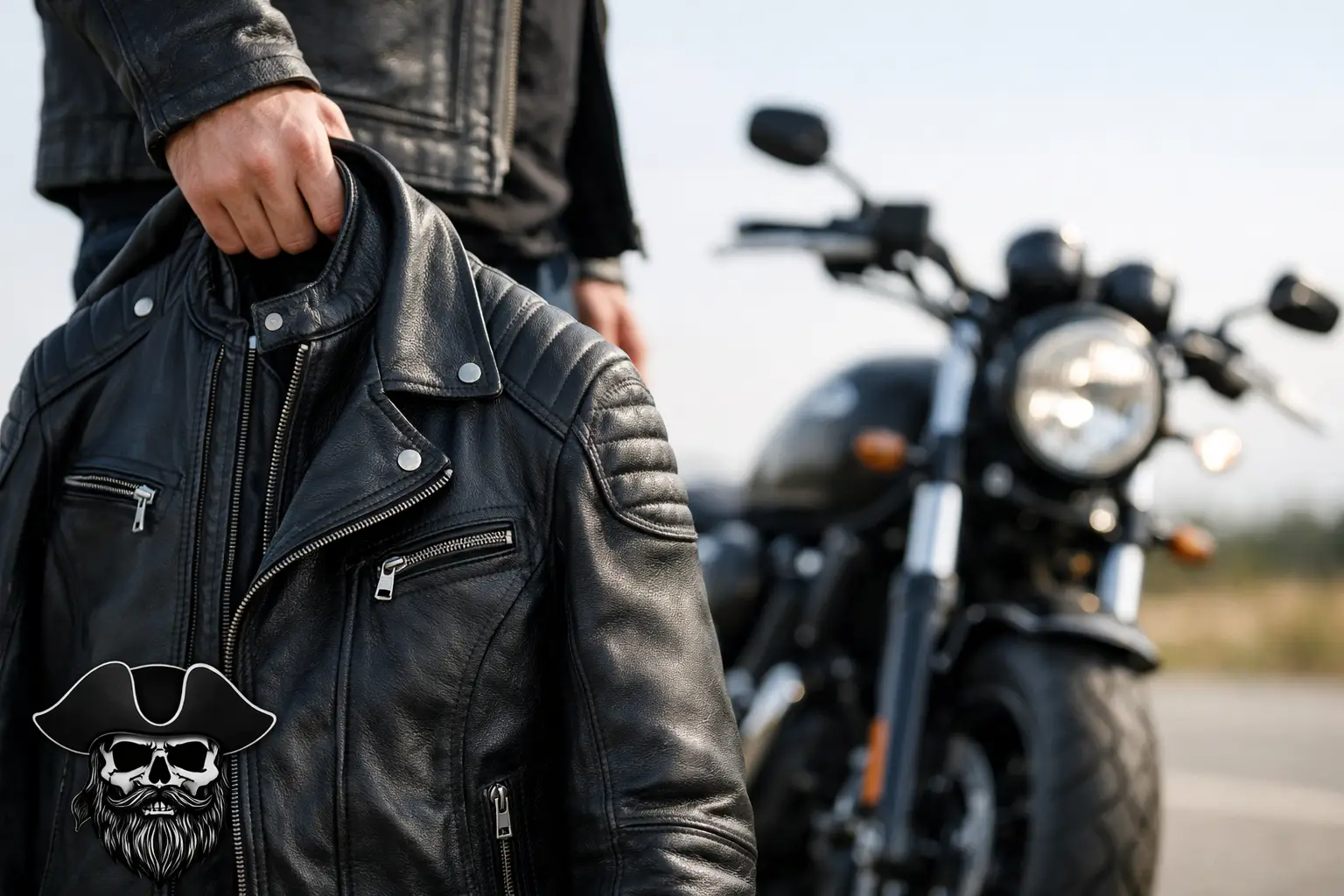
A bad jacket tells on itself the first time you throw a leg over the bike. It pulls tight across the shoulders, rides up at the waist, and looks good standing still but quits on you once the miles start stacking. A good mens leather motorcycle jacket does the opposite. It moves with you, cuts the wind, holds its shape, and looks right on and off the bike.
That is why buying one is not just about picking black leather and calling it done. Riders want road presence, but they also need comfort, protection, and a fit that works in the saddle. If you are shopping for your first jacket or replacing one that has seen too many seasons, here is what actually matters before you buy.
What a mens leather motorcycle jacket should do
A real riding jacket has a job. It should give you abrasion resistance, block wind, carry its weight without feeling stiff in the wrong places, and sit correctly when your arms are extended to the bars. That last part matters more than many riders expect. A jacket that feels fine in front of a mirror can feel terrible after twenty minutes on the road.
The best jackets balance function and identity. Cruiser and Harley-style riders usually want a jacket that looks tough and timeless, but style alone is not enough. You want solid construction, dependable zippers, useful pockets, and features that make sense for how and where you ride.
If your riding season stretches from cool mornings to warm afternoons, ventilation and removable liners can matter just as much as leather thickness. If you mostly ride shorter local trips, you might lean harder into style and everyday comfort. If you put down long highway miles, weight, mobility, and storage start climbing the list.
Leather type and weight matter more than hype
Not every leather jacket wears the same, and not every rider needs the heaviest hide on the rack. Cowhide is a staple because it is durable, dependable, and built for riding. Buffalo leather can also bring a rugged feel with strong road-ready character. Softer leather may feel broken in faster, while heavier leather usually gives you a more substantial, protective feel.
There is a trade-off. Heavy leather can feel more secure and hold up well, but it also runs warmer and may take longer to loosen up. Lighter leather is easier to wear right away and can feel less bulky, but the overall build quality becomes even more important. Cheap lightweight leather can look decent for a minute and disappoint fast.
The smarter move is to think about your climate and riding habits. If you ride in cooler states or spend a lot of time at speed, a heavier jacket can make sense. If your season runs hot and long, a mid-weight jacket with vents or a zip-out liner may be the better call.
Fit is where most riders get it wrong
The number one mistake is buying for how a jacket feels standing up instead of how it fits on the bike. A motorcycle jacket should be snug, not restrictive. Leather gives some over time, so a fit that is slightly firm at first is often better than one that already feels roomy.
Watch the shoulders first. If they are too tight, the whole jacket will fight your movement. If they are too loose, the jacket will feel sloppy and the armor, if included, may not stay where it should. Sleeve length matters too. When you reach forward, your sleeves should still cover your wrists rather than creeping halfway up your forearms.
Body length depends on the jacket style, but for riding, you do not want the back riding way up when seated. A proper cut should keep you covered without bunching badly at the midsection. If you plan to layer a hoodie or thicker shirt underneath, factor that in before choosing your size. Still, do not size up too aggressively. Oversized leather usually looks wrong and performs worse.
This is where clear size charts and simple measuring instructions save you money and hassle. A tape measure is cheaper than a return.
Key features that earn their keep
A strong jacket does not need gimmicks, but it does need the right features. Vents are useful if you ride in warmer weather or want one jacket to cover more of the year. A removable liner gives you flexibility without forcing you into a full winter-weight setup. Action backs, stretch panels, and underarm gussets can make a big difference in comfort once you are actually riding.
Pocket layout matters more than people admit. You want storage that is easy to reach and secure at speed. Zipper quality matters too. Weak hardware is one of the fastest ways a jacket starts feeling cheap.
Some riders want armor pockets or built-in armor. Others prefer a more classic leather cut without the extra bulk. Neither choice is automatically wrong. It depends on how you ride and what level of structure you want. If protection is your top priority, look closely at impact areas and whether the jacket is built to accept added armor.
Side lacing, zippered cuffs, and adjustable waist features are not just for looks. They help dial in fit and keep the jacket from flapping around at speed. That makes the ride cleaner and the jacket more comfortable.
Style still counts – just make sure it rides well
There is nothing wrong with buying a jacket because it looks mean. Riders have always cared about road presence. The point is to make sure the look matches the function.
The classic asymmetrical biker jacket brings attitude, a strong silhouette, and a proven place in motorcycle culture. A cleaner center-zip style can feel more stripped down and versatile. Distressed finishes and aged leather can give you that broken-in look faster, while plain black leather tends to stay timeless and easy to pair with the rest of your gear.
If you wear a cut over your jacket, think about bulk through the chest and shoulders. If you ride with gloves on longer trips, check how the cuffs work with them. If your bike setup puts you in a more upright position, your fit needs may differ from a more stretched-out posture. Small details change what feels right.
One jacket or a full gear setup?
A jacket is the centerpiece, but it is not the whole ride. The smartest buyers build around it. A solid leather jacket pairs naturally with riding gloves, motorcycle boots, and storage that actually works for your day-to-day miles.
That matters because gear should work together, not compete. If your jacket is heavy and built for cooler weather, lighter gloves may balance things out in the shoulder seasons. If your jacket has a cleaner old-school look, a pair of plain leather boots and practical motorcycle luggage keep the setup sharp without overdoing it.
For riders who want straightforward options, Blackbeard’s Motorcycle Gear keeps the focus where it belongs – leather riding apparel, fit, value, and the kind of biker style that still makes sense on the road.
How to spot value in a mens leather motorcycle jacket
Low price alone is not value. Real value is getting a jacket that fits right, holds up, and gives you features you will actually use. Sometimes that means spending a little more for better leather, stronger hardware, and smarter construction. Sometimes it means skipping flashy extras and buying the jacket that simply does its job.
Look at the stitching, the feel of the leather, the quality of the liner, and whether the cut seems built for riders or just for fashion. Product photos help, but details tell the truth. If the jacket has practical sizing guidance, clear feature descriptions, and a fit made for actual motorcycle use, you are already ahead of the game.
Promotions help, and there is nothing wrong with grabbing a deal when the price drops. Just make sure the jacket is right for your ride first. A discounted mistake is still a mistake.
The best choice depends on how you ride
There is no single best mens leather motorcycle jacket for every rider. The right one for weekend bar hops is not always the right one for long highway runs. The jacket that feels perfect in Arizona may not be the one you want in Pennsylvania in late fall.
Think about your climate, the kind of bike you ride, how often you ride, and whether you want one jacket to cover multiple seasons. Be honest about fit, not hopeful. Buy for the road, not just the mirror.
When you find the one that checks the right boxes, you will know. It will feel like it belongs on the bike, not just on a hanger. That is the jacket worth wearing until the leather starts telling your story.