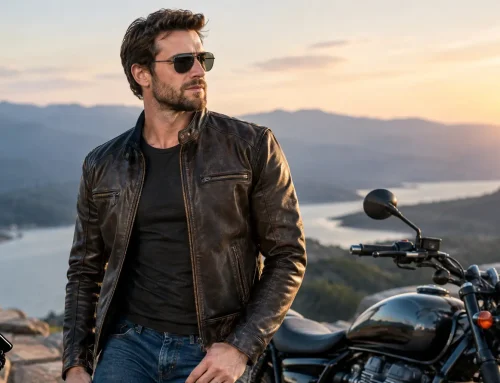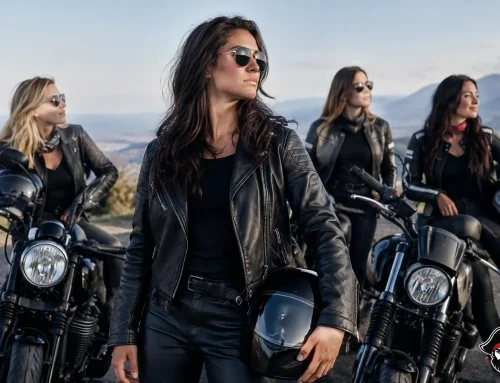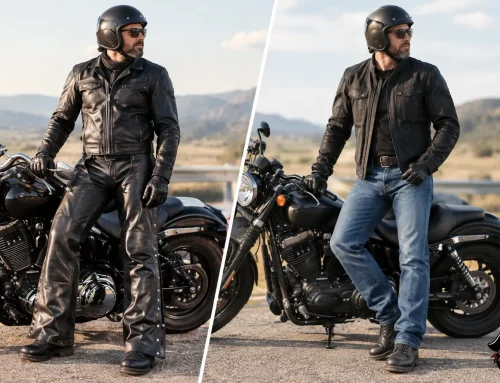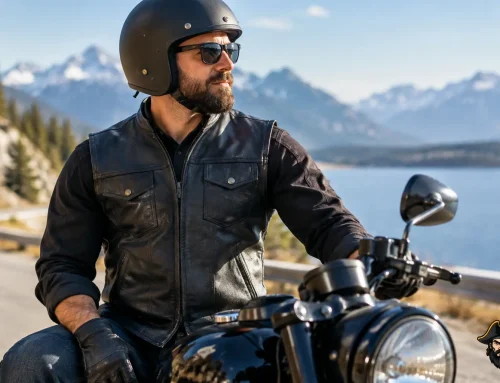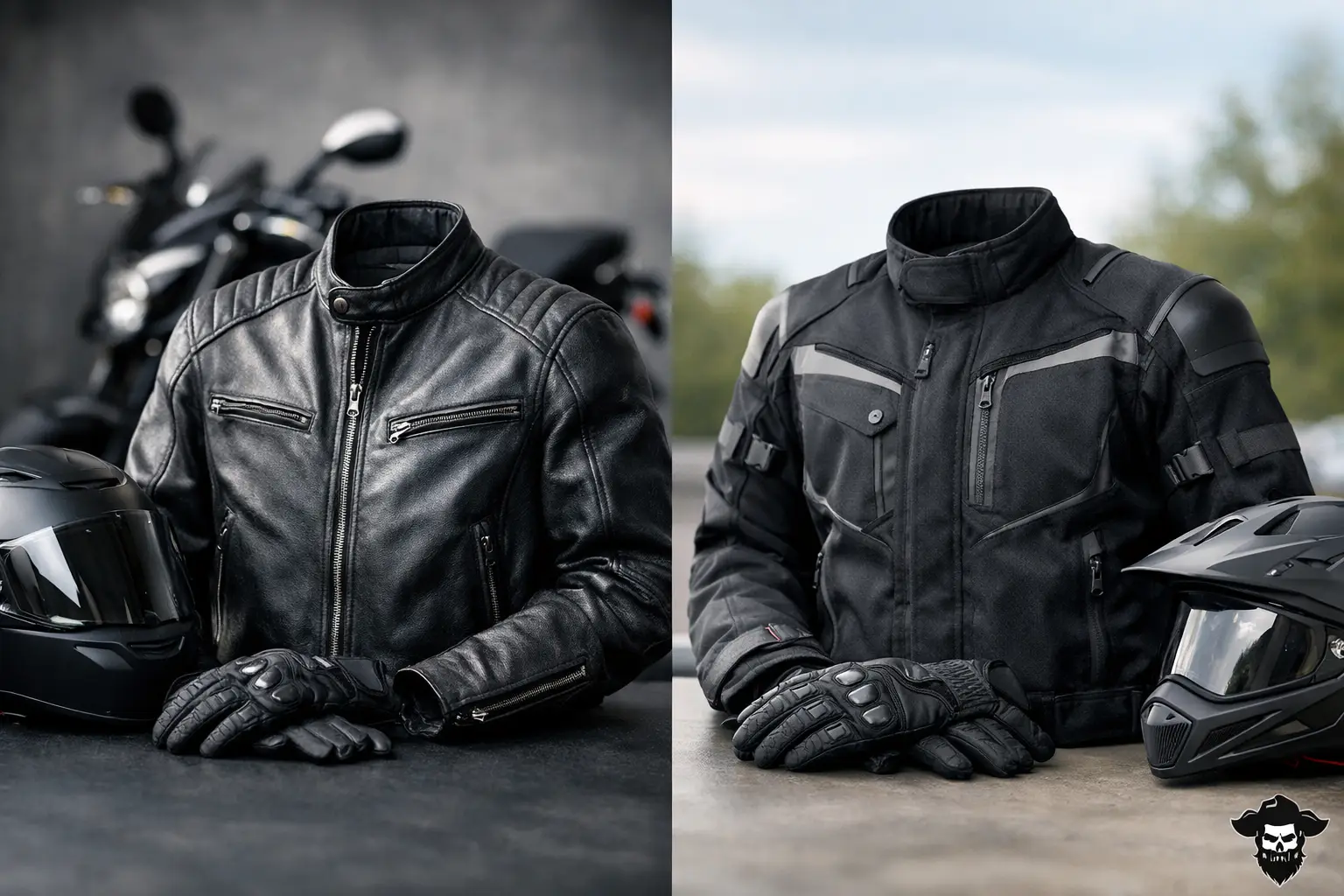
You feel the difference before you even leave the driveway. A leather jacket has weight, structure, and that classic rider look that never needs an explanation. A textile option feels lighter, more technical, and usually more ready for weather changes. When riders compare leather jacket vs textile jacket, they are really deciding how they want to ride, what conditions they face, and how much style matters once the bike starts moving.
For a lot of cruiser and V-twin riders, this is not a close call on looks alone. Leather still owns the traditional biker lane. But buying on style only is how people end up with a jacket that sits in the closet when the season changes. The better move is to look at protection, comfort, weather performance, maintenance, and long-term value together.
Leather jacket vs textile jacket for protection
If protection is your first filter, leather has earned its reputation the hard way. Good motorcycle leather offers strong abrasion resistance, and that matters when the road gets unforgiving. A quality riding leather jacket built for the bike, not fashion, gives you a dense outer layer that has real substance in a slide.
That does not mean every leather jacket is automatically better than every textile jacket. Construction matters. Impact armor, reinforced stitching, panel design, and fit all change how a jacket performs. A cheap leather fashion piece is not a serious riding jacket. On the other side, a well-built textile jacket with CE armor and reinforced abrasion zones can be a strong performer for street riding.
Still, if you are talking about raw abrasion confidence, leather usually gets the nod. That is one reason it remains a staple for riders who want road-ready gear with a proven track record. It is tough, dependable, and built with a kind of honest function that riders respect.
Where textile jackets make more sense
Textile wins when versatility is the priority. If you ride through changing temps, get caught in rain, or want one jacket to handle commuting, weekend rides, and shoulder season use, textile has a strong case. Many textile jackets come loaded with vents, waterproof liners, thermal layers, and adjustment points that make them adaptable in ways leather usually is not.
That flexibility matters if your riding schedule is dictated by real life instead of perfect weather. Riders who leave early in the morning, come home after dark, or put in miles across multiple states often appreciate a jacket that can adjust on the fly.
Textile also tends to feel less restrictive right off the rack. Break-in is minimal. The jacket is usually lighter on the shoulders and easier to wear for long stretches if you spend a lot of time on and off the bike.
Style is not a small thing
Some gear buyers act like style should come last. For motorcycle riders, that is not reality. What you wear is part of the culture, part of your road presence, and part of why leather keeps winning generation after generation.
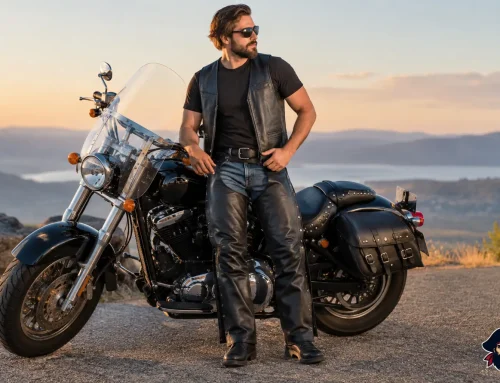
A leather jacket looks right on a cruiser, a chopper, or a stripped-down V-twin. It matches the machine. It carries history. It looks better with age, and when it is broken in properly, it feels like your jacket instead of just a jacket. That matters to riders who want gear that protects them without making them look like they borrowed it from an adventure catalog.
Textile can look sharp in its own lane, especially for sport, touring, and commuter setups. But if your taste runs classic American biker, leather is hard to beat. It is the standard for a reason.
Heat, cold, and changing weather
This is where the answer becomes less absolute. Leather handles cooler air well and blocks wind better than many riders expect. On a brisk morning or a highway run, that heavier shell can feel like a benefit. Add a proper liner and leather can carry you through a lot of three-season riding.
In peak summer heat, though, leather can get warm fast, especially in stop-and-go traffic. Perforated leather helps, but it is still leather. If you ride in hot southern states, humid conditions, or city traffic for long stretches, a vented textile jacket may simply be easier to live with.
Rain is another turning point. Some treated leather handles light moisture fine, but extended wet riding is usually textile territory. Waterproof membranes and removable rain liners give textile a practical edge when the forecast is unpredictable.
So if your riding conditions swing hard between hot, cold, and wet, textile is often the more forgiving choice. If your focus is fair-weather riding, weekend runs, rallies, and cool-to-moderate conditions, leather feels more natural.
Comfort depends on the kind of rider you are
Leather comfort improves over time. That is one of its strengths. A good leather jacket starts structured, then molds to your body, your riding posture, and the way you move. After enough miles, it feels broken in rather than broken down.
Textile comfort is more immediate. It is easier from day one. It is usually lighter, often softer, and more adjustable without needing that wear-in period. For newer riders, that can be a big selling point.
But comfort is not only about softness. Stability matters too. A sturdy leather jacket can feel more planted at speed, especially on highway rides where wind pressure exposes every weak point in cheap gear. A flappy jacket gets annoying fast. Leather tends to hold its shape and stay settled.
Maintenance and ownership costs
Textile is easier to own if low maintenance is your top concern. It usually asks less from you in terms of conditioning and storage. Wipe it down, let it dry properly, and keep it clean.
Leather asks for more respect. You need to keep it clean, condition it when needed, and avoid treating it like an old shop rag. But that extra care comes with a payoff. A quality leather jacket can age exceptionally well and stay in rotation for years if you treat it right.
That is where value becomes interesting. Textile can be less expensive upfront, especially at entry level. Leather often costs more, but it can also last longer and keep delivering that same protective feel and classic look season after season. Riders who buy good leather once often stop shopping for replacements as often.
Leather jacket vs textile jacket by riding style
Your bike and your riding habits should influence the choice.
If you ride a cruiser, chopper, or Harley-style bike and want gear that looks right, feels substantial, and delivers strong abrasion confidence, leather is usually the better match. It fits the riding culture and performs where many traditional riders want it to perform.
If you commute daily, ride through mixed weather, or need one jacket to cover a wider range of conditions, textile may make more sense. It is built for adaptability.
If you ride year-round, there is a strong argument for owning both. A leather jacket for cooler, dry rides and a textile jacket for heat or wet weather is a practical setup. It is not overkill if you actually ride enough to use both.
What to check before you buy
Do not buy this category like it is regular apparel. Whether you choose leather or textile, make sure it is a true motorcycle jacket with protective intent. Look for armor pockets or included armor, quality stitching, solid zippers, secure cuffs, and a cut that works in a riding position.
Fit matters as much as material. Too loose and the protection can shift. Too tight and you will hate wearing it. The right jacket should feel ready for the road, not just good under store lighting.
For riders who lean classic, quality leather remains the safer bet from both a style and identity standpoint. It does the job and looks the part. That combination is why so many riders keep coming back to it, even after trying more technical alternatives.
At Blackbeard’s Motorcycle Gear, that is exactly why leather stays front and center. Riders want gear that works, lasts, and carries the right attitude when the kickstand goes up.
So which one should you buy?
If you want maximum versatility, easier warm-weather comfort, and better built-in weather management, textile deserves a serious look. If you want timeless biker style, strong abrasion resistance, a more substantial feel, and a jacket that becomes part of your riding identity, leather is still king.
The best choice is the one you will actually wear every time you ride. Buy for your real roads, your real weather, and the kind of rider you are now – not the one you imagine on a perfect Saturday. When the jacket fits your bike, your miles, and your mindset, you will know it the second you zip it up.