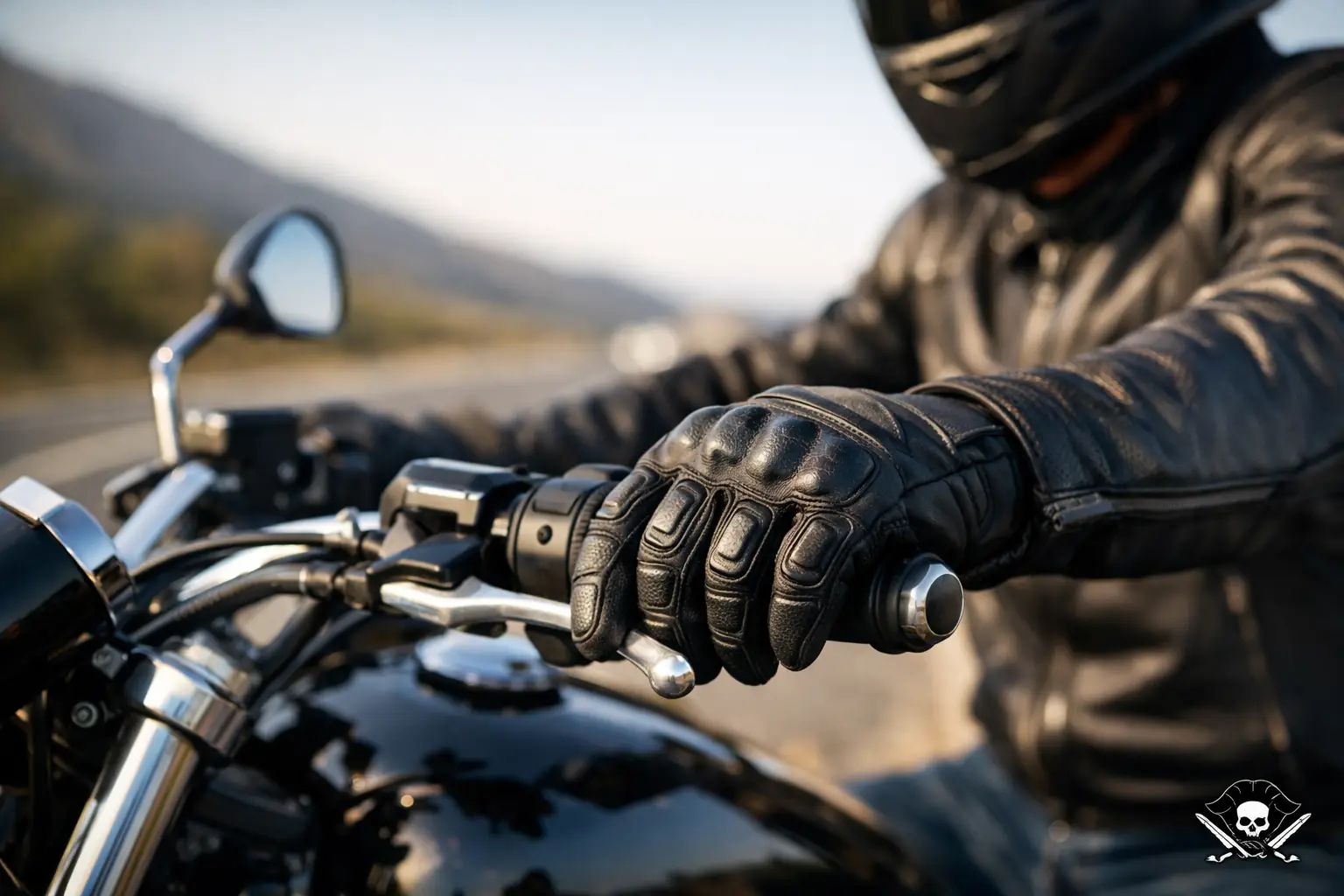
At 75 mph, bad gloves stop being a minor annoyance and start feeling like a real problem. Wind pushes at every seam, vibration creeps into your palms, and cold air finds the weak spots fast. If you’re shopping for the best motorcycle gloves for highway riding, you need more than something that looks tough at a gas stop. You need gloves that stay comfortable for miles, keep your grip steady, and still match the road-ready biker style you actually want to wear.
What makes the best motorcycle gloves for highway riding?
Highway riding is its own kind of test. Around town, almost any decent glove can feel fine for short stretches. On the interstate, the flaws show up quick. Pressure points start to burn, thin materials let wind cut through, and cheap construction makes your hands feel beat up before the tank is half empty.
The best motorcycle gloves for highway riding usually get the basics right first. They protect your hands from wind, reduce fatigue, and keep your grip consistent when you’re on the bars for long periods. Leather stands out here for a reason. A good leather glove blocks wind better than a lot of lightweight textile options, breaks in over time, and brings the classic biker look most cruiser and V-twin riders want.
That said, not every leather glove is automatically a highway glove. Some are built more for style than saddle time. If the leather is too thin, the cuff is too short, or the palm lacks reinforcement, you’ll feel the difference by the second hour.
Start with leather, not gimmicks
For serious highway miles, leather is still the smart buy. It offers solid abrasion resistance, holds up well with regular use, and has the kind of structure that gives a secure feel on the grips. Riders who spend real time on open roads usually come back to leather because it does the job without a lot of marketing fluff.
Cowhide is a dependable choice for durability and everyday value. It has enough weight to feel substantial without being overly stiff if the glove is made well. Deerskin is softer and often more comfortable right out of the package, which makes it appealing for long rides, but it can come at a higher price. Either can work well. It depends on whether you want maximum softness or a more budget-friendly workhorse.
If you’re looking at fingerless gloves for style, keep the use case honest. They can feel great in hot weather and around town, but for sustained highway riding, full-finger gloves are usually the better call. They give you more wind protection, more coverage, and less hand fatigue when conditions change.
Fit matters more on the highway
A glove that feels acceptable for 20 minutes can become miserable after 200 miles. Highway gloves should fit snug without squeezing. You want close contact at the palm and fingers so the material doesn’t bunch up when you roll the throttle or work the controls. At the same time, you need enough room to flex your hand naturally.
Loose gloves are a problem because they shift and rub. Tight gloves are just as bad because they create pressure points and restrict circulation. If your fingertips are jammed into the ends or the knuckles feel strained with your hand wrapped around a grip, move on.
The sweet spot is a glove that feels secure from the start and gets better once the leather breaks in. This is where quality construction earns its money. Better gloves shape to your hand over time instead of fighting it.
Look for pre-curved fingers and reinforced palms
Two details make a big difference on long highway rides: pre-curved fingers and palm reinforcement. Pre-curved fingers reduce the strain of holding your hands in riding position for extended periods. Reinforced palms help manage vibration and cut down on hot spots where your hands meet the grips.
These features aren’t flashy, but they matter more than decorative stitching or oversized logos. If you’re logging miles on a cruiser or touring bike, comfort under steady throttle is what separates a glove you’ll keep wearing from one that gets stuffed in a saddlebag.
Cuff length changes the ride
Short cuffs are easy to slip on and off, and plenty of riders like them for warm weather or short runs. But if you ride highways regularly, a gauntlet or extended cuff deserves a hard look. More cuff coverage helps keep wind from shooting up your sleeves and gives a cleaner overlap with your jacket.
This matters even more in cooler weather or early morning rides. A glove can have great leather and a solid palm, but if cold air pours in at the wrist, your hands still pay for it. Long cuffs also add a more locked-in feel, which a lot of highway riders prefer when they’re settled in for distance.
Short cuff gloves still have their place. If you ride mostly in heat and want maximum convenience, they can work. Just understand the trade-off. You’re giving up some wind protection for quicker on-off use.
Weather is part of the glove decision
There isn’t one perfect glove for every season. That’s the truth most experienced riders learn sooner or later. The best highway glove in July may be the wrong choice in October.
For hot-weather highway riding, vented leather can be the best compromise. You still get the durability and biker look of leather, but with enough airflow to stay comfortable. The catch is simple: more airflow usually means more wind reaching your hands at speed. If you run hot, that can feel great. If you ride into cooler evenings, it may not.
For cooler rides, a lined leather glove makes more sense. It blocks wind better and holds warmth longer, especially at highway speed where the temperature on your hands can feel much colder than the reading on your phone. Just be careful not to go so bulky that you lose feel at the controls.
Water resistance is another factor. If you ride through changing weather, a glove that can handle some moisture without turning heavy and miserable is worth paying for. Fully waterproof options can help, but some riders find they sacrifice feel or flexibility. Again, it depends on your miles and conditions.
Protection should be real, not overbuilt
Highway gloves should protect your hands, but there is such a thing as too much bulk for the kind of riding you do. Hard knuckle armor, padded impact zones, and reinforced palms can all be good features. The trick is balancing protection with comfort and control.
Cruiser and V-twin riders often want gloves that feel substantial without looking like sportbike race gear. That’s a fair call. You can get solid highway protection in a leather glove that still fits the biker style – clean lines, quality leather, practical armor, and no cartoonish extras.
Pay attention to the palm and side-of-hand areas. Those zones take abuse in a slide, and they also affect your daily comfort on the bars. Good reinforcement here is often more useful than flashy top-side armor that looks aggressive but adds little to real-world comfort.
Grip and control are non-negotiable
The highway exposes weak grip fast. If your glove gets slick when your palms sweat, or if the leather is too stiff to give you clean throttle feel, you’ll notice it every mile. A solid highway glove should help you keep a steady, confident hold without forcing you to overgrip.
That is where palm texture, leather finish, and break-in all come together. Some gloves feel a little firm at first but settle into a dependable grip after a few rides. Others never quite get there. If a glove feels awkward on the controls from the start, don’t expect magic.
Touchscreen fingertips are convenient, but they shouldn’t be the reason you buy a highway glove. They’re a bonus, not a core feature. Comfort, leather quality, wind management, and control still come first.
Style still matters – and that’s not shallow
A lot of riders want gear that works and looks right with the rest of their setup. There’s nothing wrong with that. Highway gloves are part of your kit, and if you ride a cruiser, chopper, or Harley-style bike, the glove should fit the identity as much as the ride.
That usually means quality leather, a clean black finish, solid hardware, and a shape that pairs well with leather jackets, vests, and boots. The best gear doesn’t force you to choose between function and attitude. It gives you both.
This is one reason leather remains the go-to. It looks right on the bike, wears in with character, and handles real riding better than a lot of cheaper alternatives. At Blackbeard’s Motorcycle Gear, that mix of road function and biker style is exactly the point.
How to choose without wasting money
If you want a glove built for highway use, shop with your riding habits in mind, not just the product photo. Think about your usual speeds, how long you’re in the saddle, what weather you ride through, and whether you want one glove for everything or a couple of purpose-built pairs.
If you do long summer rides, a vented full-finger leather glove with reinforced palms is a strong bet. If you ride into colder months, step up to a lined leather glove with better cuff coverage. If your riding is mixed between short local trips and interstate runs, a midweight leather glove often lands in the sweet spot.
Don’t chase the cheapest option if you ride hard and often. Gloves take a beating, and bargain pairs tend to show their weaknesses fast – loose stitching, thin palms, poor wind blocking, and a fit that never gets comfortable. Spend for leather quality and construction first. That’s where the value lives.
A good highway glove should disappear once you start riding. No constant adjusting. No numb palms. No cold fingertips thirty minutes into the ride. Just a steady grip, real comfort, and the kind of leather gear that looks as tough as it works. Buy for the miles you actually ride, and your hands will thank you every time the road opens up.