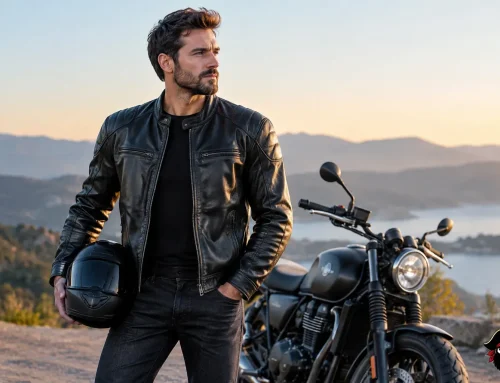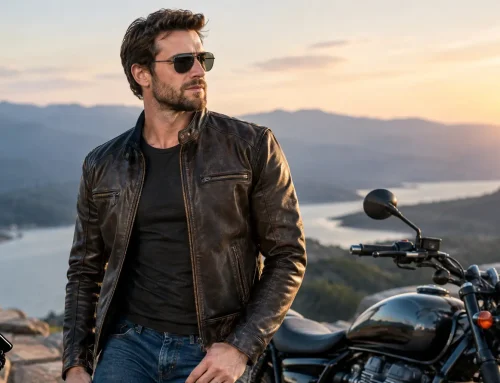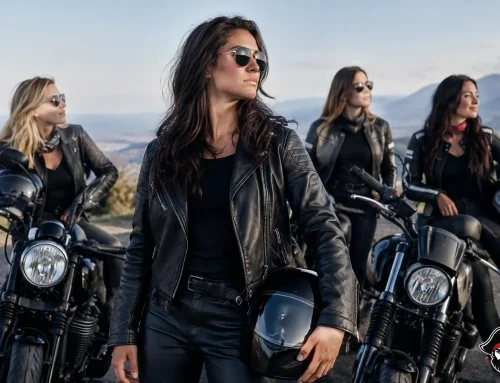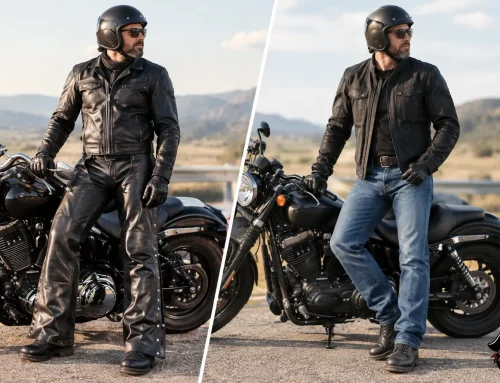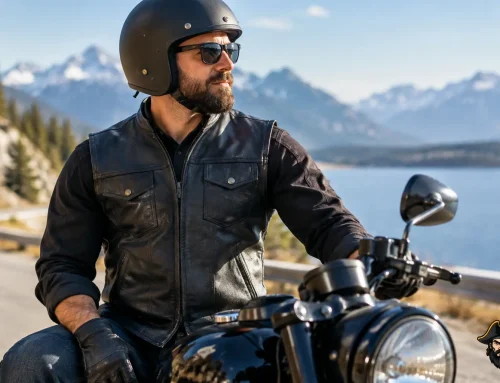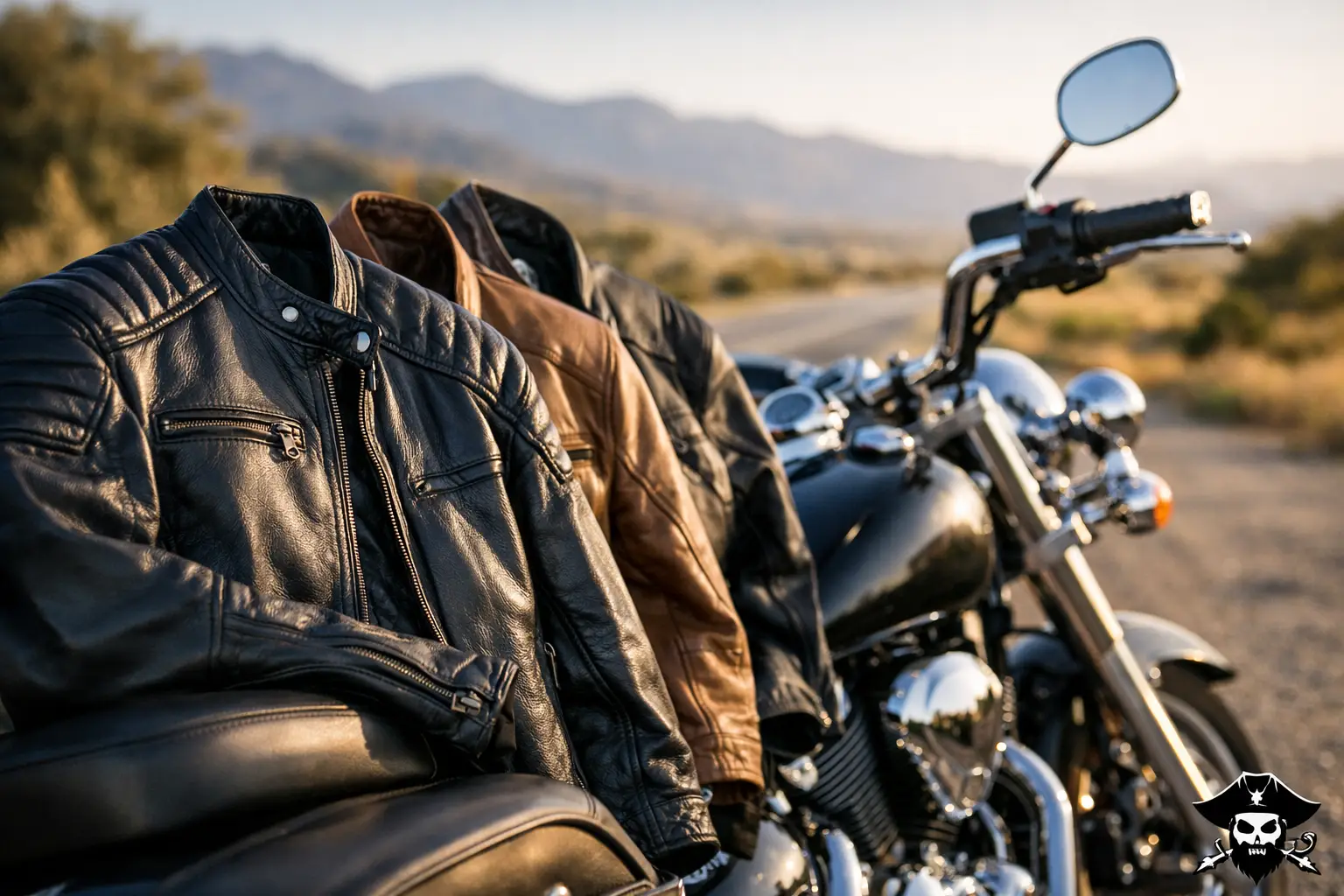
A cruiser jacket has a job to do the second you throw a leg over the bike. It needs to block wind, hold up on long rides, sit right in the saddle, and still look like it belongs on a big V-twin. That is why riders searching for the best leather motorcycle jackets for cruisers are usually not chasing trends. They want a jacket that feels right at highway speed, wears in well, and looks better every season.
Cruiser riders are hard on gear in a different way than sport riders. You are dealing with upright posture, more chest-on-wind exposure, longer saddle time, and a style standard that is not optional. A cheap jacket can look decent on a hanger and fall apart where it matters – weak zippers, thin leather, bad sleeve length, and a cut that bunches up every time you reach for the bars. Good cruiser leather fixes those problems before they start.
What makes the best leather motorcycle jackets for cruisers
The right cruiser jacket starts with leather weight and quality. For real road use, you want leather that feels substantial, not paper-thin fashion leather dressed up with biker hardware. Cowhide remains the safe bet for most riders because it gives you a strong balance of abrasion resistance, structure, and long-term durability. Buffalo and heavier premium hides can feel even tougher, but they may need more break-in time.
Cut matters just as much as leather type. Cruiser jackets should let you reach forward naturally without pulling hard across the shoulders or riding up in the back. If the waist is too short, wind creeps in. If the sleeves are too short, your wrists are exposed when your arms are on the bars. The best fit for cruisers usually lands in that sweet spot between roomy and sloppy – enough space for movement and a layer underneath, but not so much that the jacket balloons at speed.
Hardware is another easy separator between decent and disappointing. Look for sturdy front zippers, real pocket depth, secure snap-down collars or lapels, and cuff closures that actually help manage airflow. On a cruiser, details are not just cosmetic. Loose flaps that slap in the wind and weak closures get old fast.
Cruiser jacket styles that actually make sense
Not every leather jacket style works equally well for cruiser riding. Some are all image. Some are all utility. The smart buy sits in the middle.
Traditional motorcycle jacket
The classic asymmetrical motorcycle jacket still earns its place because it works. The angled front can cut wind well, the heavier build feels planted on the bike, and the look is timeless. For riders who want the strongest old-school biker identity, this is still the standard. The trade-off is that some traditional cuts can feel heavier and warmer, especially in peak summer.
Center-zip cruiser jacket
A center-zip leather jacket is often the more versatile option. It tends to be cleaner, easier to layer, and less bulky through the chest. If you ride often and want something that can go from the bike to a stop for food without looking overbuilt, this style makes a lot of sense. It may not scream outlaw attitude the same way an asymmetrical jacket does, but it often wins on comfort and everyday wear.
Shirt-style riding leather
For riders in warmer regions or those who want a lower-profile look, shirt-style leather riding jackets have real appeal. They are lighter in appearance, usually easier to move in, and can feel less stiff right out of the box. The catch is that not every shirt-style leather piece is built for serious riding, so you need to pay close attention to leather quality, closure strength, and whether it is made for the road or just for looks.
Features worth paying for and features you can skip
Cruiser riders know that more features do not always mean a better jacket. You want the features that improve ride comfort, protection, and daily use.
Ventilation earns its keep if you ride in mixed weather or hot states. Underarm vents, chest vents, or back exhaust vents can make a heavy leather jacket far more usable through spring and summer. A removable liner is another strong value feature because it stretches one jacket across more of the riding season. If you can pull the liner for warmer days and zip it back in when temperatures drop, you get more miles out of one purchase.
Armor pockets or built-in armor can be a plus, depending on how you ride. Some cruiser riders want the traditional heavy leather feel without extra bulk. Others want impact protection at the shoulders, elbows, and back. Neither choice is wrong. It depends on whether your priority leans more toward clean classic styling or a more protective road-ready setup.
What is easier to skip? Decorative extras that do nothing on the bike. Overdone fringe, thin ornamental panels, and flashy hardware can look good online and become annoying on actual rides. The best cruiser jacket usually looks tough because it is tough, not because it is trying too hard.
How to spot quality before you buy
If you are shopping online, quality comes down to materials, construction, and clear product details. Full-grain and premium milled leathers usually signal a stronger product than vague descriptions that only say genuine leather. Stitching should look clean and reinforced in stress areas like shoulders, arm seams, and pockets. Product photos should show the jacket open and closed, not just one glamor shot from the front.
Read for practical details. Does it mention zippered vents, concealed carry pockets, action back panels, adjustable side laces, or interior storage? Those are the kinds of rider-first features that tell you the jacket was designed for the saddle, not just for standing around looking the part.
Brands like Milwaukee Leathers and Vance Leathers have built a following with cruiser riders for a reason. They tend to understand the balance between road function, biker style, and price. That matters if you want a jacket that looks legit and holds up without paying top-shelf boutique prices just for a name.
Fit is where a good jacket becomes a great one
Even the best leather motorcycle jackets for cruisers can disappoint if the fit is off. Cruiser riders need enough room across the shoulders and chest for reach and posture changes, but not so much that the jacket shifts around at speed. A little weight in the leather is good. Constant bunching and flapping is not.
Think about how you actually ride. If you regularly wear a hoodie or thermal under your jacket, build that into your decision. If most of your riding happens in warm weather, a trimmer fit with venting may serve you better than a bulky cold-weather setup. There is always a trade-off. More room improves layering but can reduce that locked-in feel on the bike. A more tailored fit looks sharp and cuts wind better, but only if it still lets you move comfortably.
This is where a retailer that knows biker gear makes a difference. Clear sizing support, strong product categories, and straightforward customer service cut down on bad guesses and returns. Blackbeard’s Motorcycle Gear leans into that practical side of the buy, which matters when you want less friction and more ride time.
Picking the right jacket for your kind of cruiser riding
Weekend riders, daily riders, and long-haul riders do not all need the same leather. If your bike sees mostly local rides and bike nights, you can lean harder into style and traditional weight. If you are putting in real highway miles, comfort features like vents, action backs, and removable liners become much more important.
For cool-weather riders, heavier cowhide with a thermal liner is a strong choice. For riders in hot southern states, lighter-weight leather with real venting and a simpler cut is often the smarter move. If you split time between seasons, look for one jacket that can adapt instead of buying strictly for one weather window.
Price matters too, but cheap is expensive when the jacket wears out fast or never feels right. The value play is not the lowest number on the screen. It is the jacket that gives you solid leather, dependable hardware, and the right riding features at a fair price. That is the kind of gear that keeps earning its space on the hook.
A cruiser jacket should feel like part of the ride, not a costume you tolerate. When the leather is right, the fit works on the bike, and the features match the miles you actually ride, you will know it the first time the road opens up and the jacket disappears into the job it was built to do.