You know the problem the second the straps go on – your regular eyewear gets shoved into your temples, the seal breaks at the corners, and five miles later your eyes are watering anyway. Finding motorcycle goggles over glasses that actually work is less about luck and more about knowing what separates a real riding setup from cheap gear that looks good in a product photo.
For riders who wear prescription glasses, bad goggles are more than annoying. They create pressure points, distort your field of view, and can leave gaps that let in wind, dust, and road grit. If you ride a cruiser, bobber, or stripped-down bike where wind protection is limited, that problem gets serious fast. The right pair should fit over your eyewear without crushing it, stay planted at speed, and give you clear vision from the first stoplight to the last mile home.
What matters most in motorcycle goggles over glasses
A lot of riders start by looking at lens tint or styling first. Fair enough – nobody wants gear that looks weak. But if you wear glasses, the frame shape and interior depth matter more than anything else.
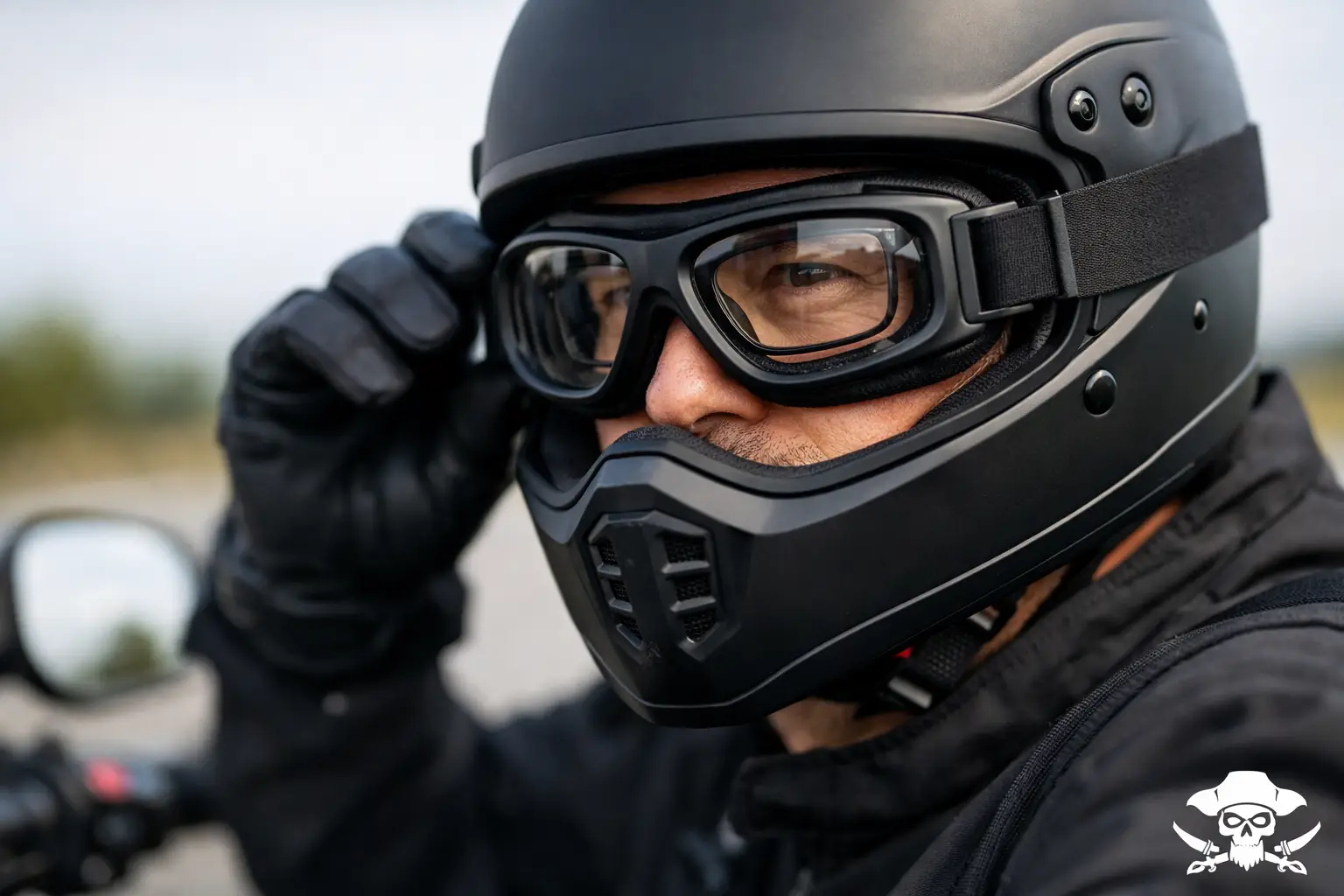
Over-the-glasses goggles, often called OTG goggles, need enough cavity depth to clear your prescription frames without pressing them into your face. That sounds basic, but this is where many pairs fail. A goggle can be labeled OTG and still fit poorly if your glasses have wider temples, taller lenses, or a squarer frame shape.
The second thing to check is the foam cut or temple channel. Some better designs leave room at the sides so your eyeglass arms can pass through without breaking the seal. Without that detail, the goggle foam gets pinched around the glasses, and that usually leads to hot spots and airflow leaks.
Then there is strap control. If the strap has weak adjustment or slips during a ride, the goggles either bounce around or get overtightened to compensate. Neither is good. You want enough hold to stay stable, but not so much tension that your glasses are driven into your nose.
Fit is the deal breaker
The truth is simple – motorcycle goggles over glasses only work when the goggle frame and your prescription frame cooperate. That is why one rider swears by a pair and another says the same model is unwearable.
If your glasses are slim, with straight temples and a moderate lens height, you have more options. If you wear chunky acetate frames, wraparound prescription glasses, or oversized fashion frames, your choices narrow fast. The more bulk your glasses have, the more interior room the goggle needs.
Face shape plays a role too. Riders with narrower faces can sometimes make a larger OTG frame work because the foam compresses evenly. Riders with wider faces may find that the same goggles feel tight, especially after an hour on the road. A pair that feels acceptable in the garage can turn into a headache on a highway run.
That is why trying to force a standard goggle over glasses is usually a waste of money. If the brand built it for bare-eye use, you are fighting the design from the start.
Lens choice matters more than riders think
Once the fit is right, the lens becomes the next big factor. Clear lenses are the safest bet for night riding and low-light conditions. They also tend to show less visual weirdness when paired with prescription lenses underneath.
Tinted lenses are useful in bright daylight, but darker is not always better. If your sunglasses prescription is built into your everyday glasses, stacking a dark goggle lens over dark prescription lenses can make your vision too dim, especially if weather changes or the ride runs later than planned.
Smoke and light-tint lenses are often the practical middle ground for daytime use. Yellow lenses can sharpen contrast in some conditions, but they are not magic, and some riders find the color shift distracting over long stretches. What works depends on where and when you ride.
Anti-fog treatment helps, but it is not a cure-all. If your glasses fog under the goggles, the issue may be ventilation more than lens coating. Good airflow matters. Too sealed, and heat builds up. Too vented, and you lose protection from wind and debris. Like most riding gear, there is a trade-off.
Where cheap goggles usually fail
Budget gear has its place, but eye protection is one of those categories where rock-bottom pricing often shows up in all the wrong ways. The foam is thin or uneven. The lens quality is mediocre. The strap hardware feels flimsy. And the interior space that was supposed to fit glasses turns out to be barely usable.
The biggest problem with low-grade goggles is inconsistency. Maybe they feel okay for twenty minutes. Then the foam compresses, the frame starts shifting, and your glasses begin rubbing. That is not just uncomfortable. It pulls your attention away from the road.
Riders who put in real miles usually learn the same lesson – buy for function first. A tough-looking pair that does not hold up in wind or sun is just costume gear.
Comfort on long rides is about pressure management
A lot of people think comfort comes down to soft foam. It helps, but that is only part of it. Real comfort comes from how the whole setup distributes pressure across your face while leaving your glasses in a natural position.
If the bridge of your glasses gets pushed down, your nose will feel it first. If the temples get pinned inward, the pain usually starts near your ears. If the foam bunches at the edges, you can get both discomfort and a weak seal. None of those issues improve once you are rolling.
This is why wider straps, stable frame shape, and well-cut foam matter. You want even contact, not random hard spots. On a short bar hop, you might tolerate a mediocre fit. On a half-day ride, you will hate it.
Style still matters – just not before function
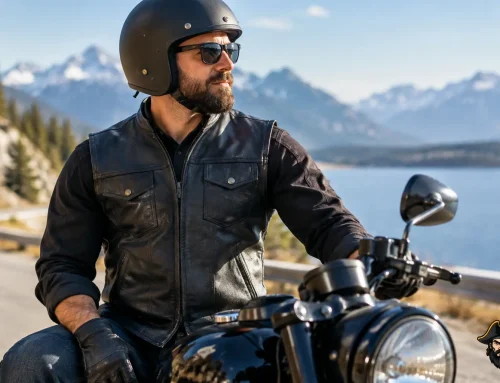
Let us be honest. Riders care how their gear looks. That is not vanity. It is part of the culture. Cruiser and Harley-style riders want equipment that matches the bike, the jacket, the boots, and the whole road presence.
The good news is you do not have to choose between a solid biker look and usable eye protection. Plenty of motorcycle goggles keep the old-school profile riders want while still offering enough room for glasses. The mistake is buying based on attitude alone.
A clean frame shape, solid strap, and practical lens will always beat flashy details that do nothing on the road. The best gear looks right because it works right.
How to choose motorcycle goggles over glasses without wasting money
Start with your everyday glasses, not the goggles. Measure the width and think honestly about how bulky the frames are. If your glasses already fit tight under a helmet or against a face covering, they will probably be trouble under shallow goggles too.
Next, focus on true OTG-compatible designs with deeper frames and side accommodation for temple arms. Product claims should make room for real-world use, not just say they fit over glasses in theory. If details are vague, that is usually a red flag.
Then think about your riding conditions. Mostly daytime and short rides? A light smoke lens may be enough. Mixed conditions or frequent late rides? Clear or interchangeable options make more sense. If you ride in heat, prioritize ventilation. If you ride in heavy wind, lean harder toward a strong seal.
Quality materials are worth paying for here. Better foam lasts longer. Better lenses stay clearer. Better straps hold their adjustment. Those are not luxury upgrades. They are the difference between gear you trust and gear you leave in the saddlebag.
For riders building out a full road-ready setup, it makes sense to treat eye protection the same way you treat a leather jacket, gloves, or boots – buy for durability, comfort, and the kind of miles you actually ride. Cheap gear usually gets bought twice.
The right setup should disappear once you ride
That is the goal. You should not be thinking about your goggles after the first few minutes on the road. No pinching, no constant readjusting, no tears from wind sneaking through the corners. Just clear sight, steady fit, and one less problem to deal with.
If you wear prescription glasses, do not settle for goggles that almost work. Almost is what leaves you squinting at stoplights and rubbing sore spots at gas stops. A proper over-the-glasses fit is not a bonus feature. It is the whole job.
At Blackbeard’s Motorcycle Gear, riders know the difference between gear that looks the part and gear that earns its place on the bike. When your eyewear works with you instead of against you, every mile feels a whole lot better. Pick the pair built for the ride you actually take, and you will notice the difference before you clear the first stretch of open road.