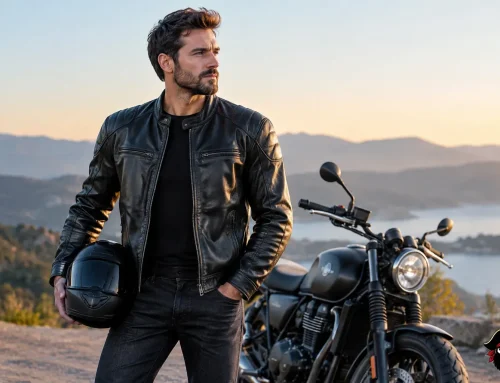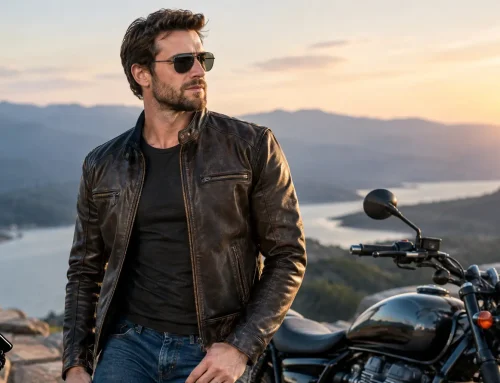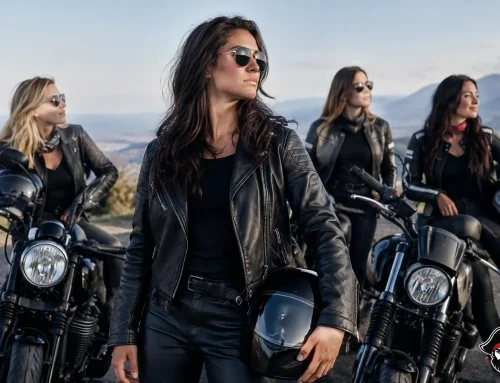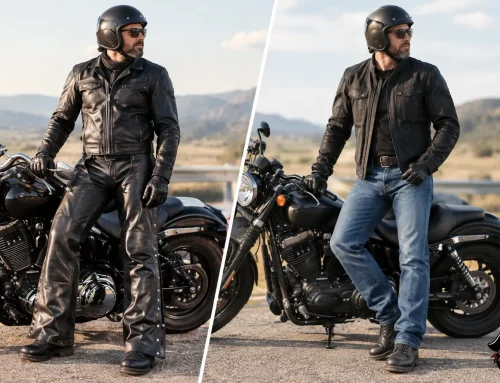
The right pair of boots changes the whole ride. Your feet work the pegs, shift gears, brace at stops, and take the heat, wind, road grit, and occasional surprise from the pavement. This women’s riding footwear guide cuts through the fashion-first noise so you can choose footwear that looks like it belongs on your bike and works when the road gets real.
A good-looking boot is a bonus. A riding-ready boot should also give you dependable grip, ankle coverage, durable construction, and enough comfort to keep you focused on the next mile instead of the pressure point on your heel.
Women’s Riding Footwear Guide: Start With the Ride
There is no single best motorcycle boot for every rider. The right choice depends on your bike, your usual distance, weather, and how much walking you do after parking. A rider on a cruiser who spends long weekends on the highway needs something different from a commuter moving through stop-and-go traffic or a rider who wants a low-profile shoe for quick city runs.
Start with how you actually ride, not the image you want in a product photo. If you are on the bike for hours, prioritize full coverage, a secure closure, cushioning, and a sole that stays planted at fuel stops. If you ride to work or meet friends after a short run, a riding shoe may make more sense, provided it still has reinforced structure and a sole built for motorcycle use.
For most cruiser and Harley-style riders, a mid-calf leather boot is the hard-working middle ground. It brings serious biker style, covers more of the ankle and lower leg, and pairs naturally with riding jeans, leather chaps, or a jacket and vest. It is also the kind of gear that does not look out of place when you step off the bike.
What Makes Footwear Road-Ready
Motorcycle footwear takes more punishment than ordinary shoes. The outer material deals with abrasion, dirt, moisture, heat from the bike, and repeated contact with shifters and pegs. The sole has to hold firm when pavement is slick, gravel is loose, or you are balancing a loaded bike at a stoplight.
Leather remains a rider favorite for a reason. Quality leather breaks in over time, holds up to regular use, and delivers the tough, clean look that belongs with real riding gear. It is not maintenance-free. Treating leather with the right cleaner and conditioner helps it stay flexible and keeps the surface from drying out. That small bit of upkeep can add a lot of life to a pair you wear every week.
Look closely at these features before you buy:
- A non-slip, oil-resistant rubber sole helps give you traction on pavement, garage floors, and roadside gravel.
- Reinforced toe and heel areas provide more structure where shifting, braking, and road contact can wear footwear down.
- Ankle support and coverage help keep the boot stable while offering more protection than a casual sneaker.
- Secure laces, zippers, buckles, or straps keep the boot from feeling loose around the foot while you ride.
- A defined heel can help many riders hold their position on foot pegs, especially on cruisers with forward controls.
Do not judge the sole by thickness alone. A big, heavy lug sole can look tough but may feel clumsy on certain controls. A slimmer sole can offer better feel at the shifter, but it still needs enough grip and structure for the conditions you face. The best setup is the one that gives you control without forcing you to fight your bike.
Boots, Harness Styles, and Riding Shoes
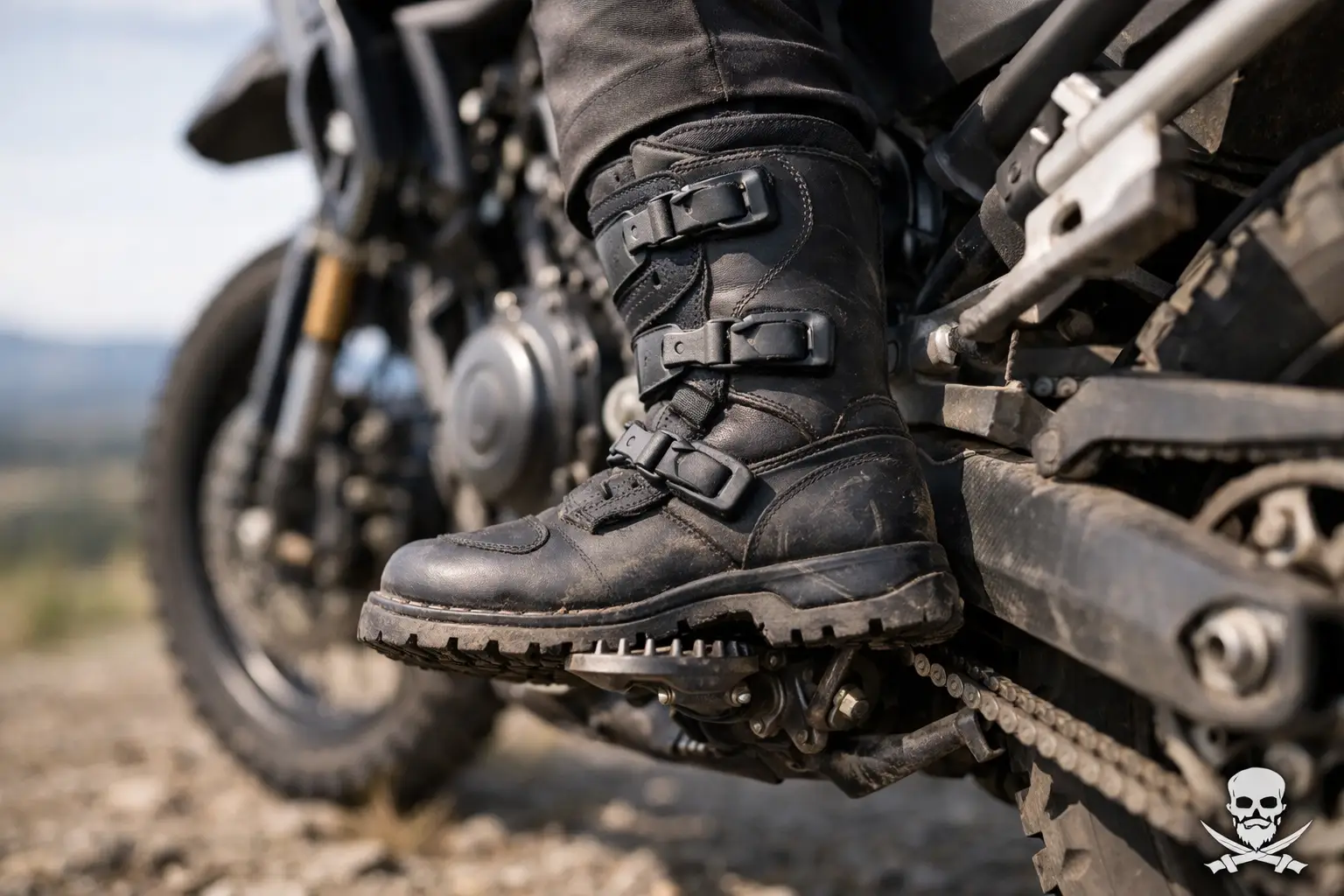
Traditional motorcycle boots are the dependable choice for riders who want coverage and an unmistakable biker profile. Lace-up boots let you fine-tune the fit through the foot and ankle. Side-zip styles are faster to put on and remove, which matters when you ride often and do not want to spend extra time wrestling with laces. Many riders like a combination of laces and a zipper: laces set the fit, while the zipper handles daily convenience.
Harness boots and engineer-inspired styles bring a tougher, stripped-down look. They work especially well with leather jackets, vests, and denim, and their clean silhouette has been part of motorcycle culture for generations. The trade-off is that some pull-on styles offer less adjustment than lace-up boots. If your feet tend to swell on long rides or you need a very precise fit, an adjustable design is usually the safer bet.
Women’s riding shoes are built for riders who want a lighter, lower-profile option. They can be a smart choice for short rides, urban commuting, or days when you will spend more time walking than riding. Just do not confuse a motorcycle shoe with an everyday fashion sneaker. Road-ready riding shoes should have a firm sole, solid construction around the ankle, and materials that can handle the job.
Choose the Right Height and Closure
Boot height is not only about style. Short boots are easier to walk in and can feel cooler in warm weather, but they leave more of the ankle exposed. Taller boots provide more coverage and can help block wind and road debris, yet they may feel warmer and take longer to break in.
If you are new to riding footwear, a boot that rises above the ankle is a practical place to start. It gives you noticeable support without the bulk of a tall touring boot. Riders who put down serious highway miles may prefer taller leather boots, particularly in cooler conditions or when wearing heavier riding pants.
Closures deserve the same attention as height. Traditional laces offer adjustment, but loose lace ends are unacceptable around motorcycle controls. Tuck and secure them every time. Zippers are quick and clean, but check that the zipper is protected and does not rub against the bike. Buckles and straps add attitude and can help lock in the fit, though too many of them can slow down getting ready.
Comfort Is a Safety Feature, Not a Luxury
A boot does not need to feel broken in on day one, but it should not cause sharp pressure, numbness, or heel lift either. Leather will relax and shape itself with wear, while a too-small boot will only become a miserable mistake. Wear the socks you normally ride in when trying on new footwear, and give yourself enough room to move your toes.
Pay attention to how the boot feels in a riding position. A pair can feel great walking across the house but pinch at the ankle once your foot is on a peg. Check that you can shift and brake smoothly. If you ride a bike with forward controls, make sure the sole and heel work naturally with that setup.
For long days, a supportive footbed matters. So does ventilation in hot weather and enough room for a warmer sock when temperatures drop. You may decide that one pair cannot cover every season. That is not overkill. A lighter riding shoe for summer and a heavier leather boot for cold-weather miles is a practical two-pair setup.
Build a Look That Still Works on the Road
Your boots should work with the rest of your gear, not compete with it. Black leather boots are the no-fail option because they pair with nearly anything: a classic leather jacket, a club-style vest, riding jeans, or chaps. Brown leather can bring a worn-in, heritage look, while harness hardware, studs, and buckle details add more edge without turning your footwear into a costume.
Function should still lead the decision. A sky-high heel, smooth fashion sole, or loose shaft may look sharp by the bar, but it can make bike control and secure footing harder. You do not need to sacrifice your style to ride prepared. You need gear designed to carry both jobs.
Blackbeard’s Motorcycle Gear focuses on leather riding footwear that brings together road function, tough construction, and the straight-up biker look riders expect. When a boot earns its place beside your jacket and gloves, it should feel built for the ride, not borrowed from a fashion aisle.
Keep Leather Footwear Ready for the Next Run
Road dirt, rain, and heat will wear down any boot if you ignore them. Wipe off dust and mud after rides, let wet boots dry naturally away from direct heat, and condition leather when it starts to feel dry or stiff. Direct heat can crack leather and weaken adhesives, so do not throw soaked boots against a heater and hope for the best.
Inspect the soles, stitching, zippers, and laces regularly. Replace worn laces before they become a problem, and do not wait until the tread is nearly gone to think about new footwear. Grip is not a detail you notice only when it is missing.
Pick the pair that matches your real riding life, break it in before a long haul, and keep it maintained. When the kickstand goes up, your footwear should be one less thing you have to question.