A cruiser can look mean parked outside a diner, but the real test starts when the temperature drops, road spray kicks up, and the ride home is still 80 miles away. The best leather chaps for cruisers are not costume gear. They are working equipment that blocks wind, takes abuse, and gives your riding jeans another layer where it counts.
Good chaps also belong on the bike. They should match the hardwearing look of a cruiser without flapping, bunching, or making every fuel stop a hassle. Whether you ride a stripped-down bobber, a loaded touring cruiser, or a weekend Harley-style machine, the right pair earns a permanent place in your saddlebag.
What Makes the Best Leather Chaps for Cruisers
Start with the leather itself. A quality pair of cruiser chaps needs enough weight to cut wind and resist everyday abrasion, but it cannot be so stiff that it fights you at every stoplight. Cowhide remains a rider favorite because it brings the rugged feel, durable surface, and road-ready weight most cruiser riders want.
The best choice depends on where and how you ride. Thicker leather provides more structure and better wind blocking for cold highway miles. Softer, more flexible leather can be more comfortable right out of the box and works well for riders who spend plenty of time off the bike at rallies, events, and local stops. Either way, skip thin fashion leather if the goal is real riding use. It may look right in product photos, but it will not provide the same protection from wind, weather, debris, and daily wear.
Construction matters just as much. Look for clean, reinforced seams and hardware that feels substantial in your hand. A zipper should track smoothly without pulling away from the leather. Snaps should close firmly. A loose zipper pull or weak snap may seem minor at first, but it becomes a real annoyance when you are gearing up in gloves or standing beside the bike in cold weather.
Leather Weight Is Only Part of the Story
A pair of chaps does not need to feel like armor to be useful. The better question is whether the leather works with your riding routine. Riders who hit the interstate early in the season often want heavier leather and a fuller lining. Riders in warm states may prefer a lighter build that is easy to carry and quick to put on when a storm rolls through.
A lining can make a major difference. Smooth mesh or fabric linings help chaps slide over jeans without grabbing. They also make the gear easier to remove when temperatures climb. For colder riding, a warmer lining adds comfort, though it can add bulk. There is no magic answer here. Buy for the conditions you actually ride in, not the one perfect weather day you remember from last summer.
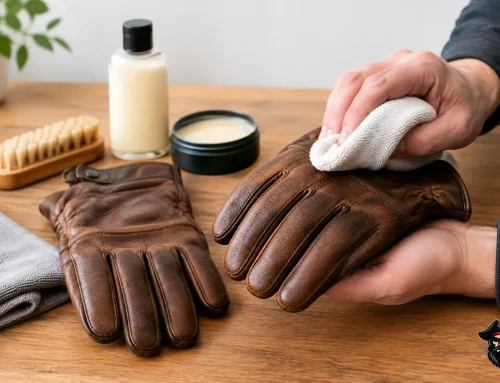
Weather resistance also deserves an honest look. Leather is naturally tough against wind, but it is not invincible. Treated leather handles light rain better than untreated leather, yet no rider should assume a soaking storm will leave any leather untouched. Regular conditioner and water protection keep chaps flexible and help prevent the dry, cracked look that ruins good gear long before its time.
Fit Should Work in the Saddle
Cruiser chaps should fit over what you normally wear to ride. That usually means jeans, riding pants, or a base layer when the weather turns cold. Trying them on over thin shorts or lounge pants is a fast way to buy a pair that feels too tight once you are actually ready to roll.
The waist adjustment is where good chaps separate themselves from cheap ones. Adjustable lacing, a belt-style front, or a secure buckle system lets you dial in the waist without forcing the thighs to do all the work. The chaps should stay put when you sit, stand, and swing a leg over the bike. They should not sag at the seat or pinch behind the knees.
Length is another practical issue. Most leather chaps are intentionally made long so riders can trim them to the right length. That is useful because the correct length depends on your riding position and boots, not just a number on a tag. The bottom should cover the upper portion of your boots while you are seated, without dragging under your heel or catching near the controls.
Before trimming, wear your usual boots and sit on your motorcycle if possible. Mark carefully, then trim a little at a time. Leather removed cannot be put back. This small bit of patience helps you get a clean, custom-looking finish instead of a pair that looks hacked up after one rushed cut.
Features That Matter on a Cruiser
Cruiser riders do not need gimmicks. They need gear that handles miles, weather, and roadside stops without creating a new problem. The features worth paying attention to are the ones you will use every time you ride.
Zippered leg openings are at the top of the list. Full or near-full side zippers make chaps easier to pull on over boots, especially heavier motorcycle boots with thick soles. A zipper flap helps block wind and protects the zipper from direct exposure. Strong snaps at the cuff can add another level of adjustment, but they should support the zipper, not replace it.
Pockets are useful when they are placed well. A deep pocket can hold keys, cash, or a small item you want close at hand. Still, do not overstuff chap pockets. Heavy objects can swing, press into your leg, or distort the leather over time. Your motorcycle luggage is the better home for larger gear, tools, rain layers, and anything you need to carry securely.
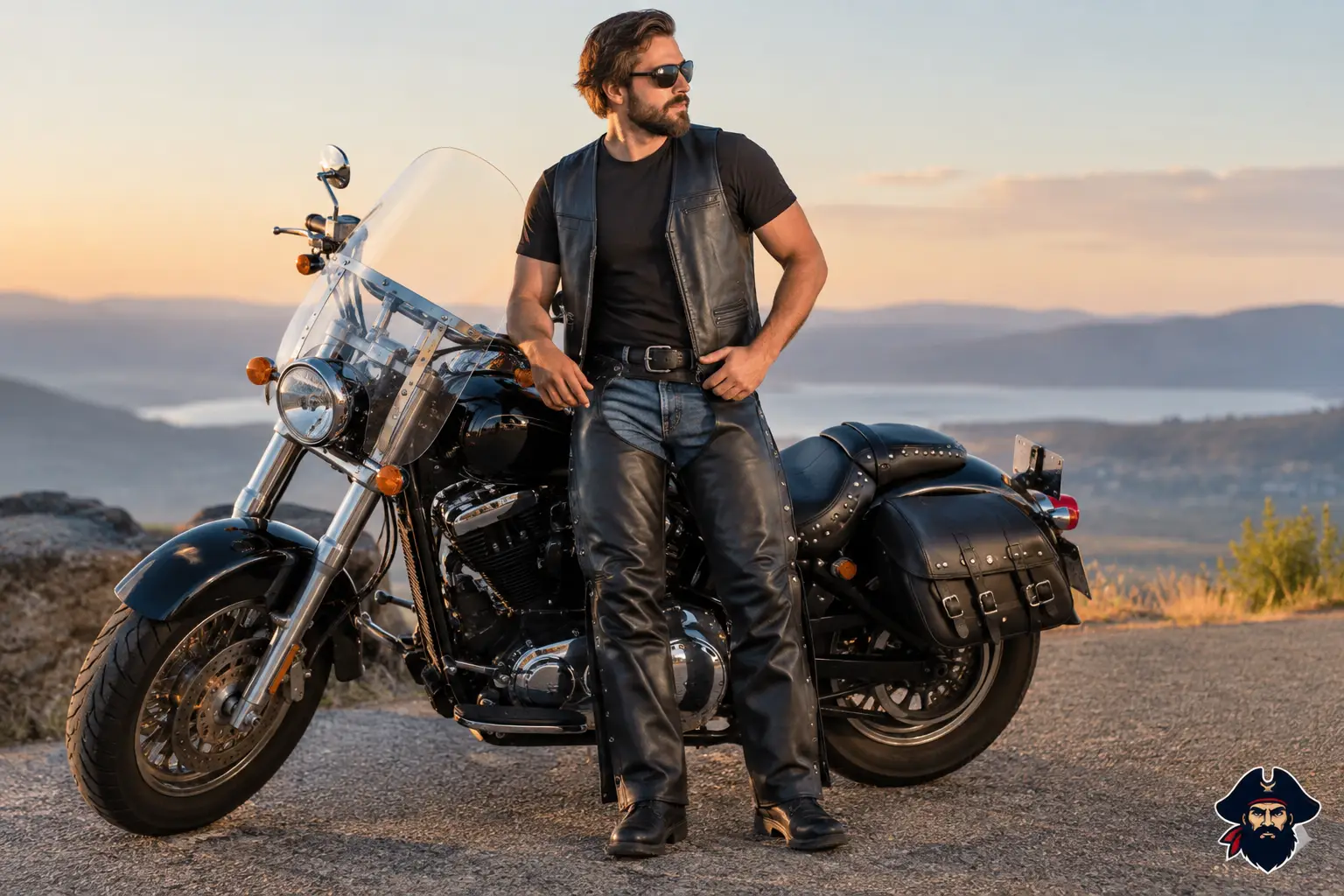
Some riders prefer plain black leather with minimal hardware. Others want braid, fringe, conchos, or other classic biker details. Both choices can work. Plain chaps are easy to pair with nearly any leather jacket or vest, while detailed styles make a stronger statement at bike nights and rallies. The key is making sure the style does not interfere with function. Fringe that tangles, decorative hardware that catches, or oversized buckles that dig in are not worth the trouble.
Match Your Chaps to the Rest of Your Riding Gear
Leather chaps work best as part of a complete riding setup. Pair them with a quality leather jacket for cold-weather coverage, or wear them with a vest and a tough riding shirt when the day starts warm but the forecast is questionable. The layered approach lets you adapt without giving up the cruiser look.
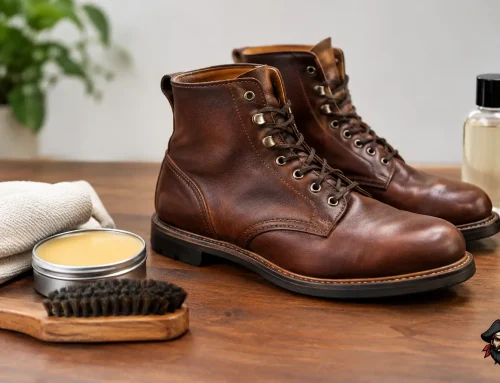
Boots matter more than many riders realize. A proper motorcycle boot gives chaps a natural stopping point and keeps the lower leg protected from wind and grime. Riding shoes may work for casual short runs, but a sturdy boot is usually the better match for long highway days, wet pavement, and heavier bikes.
Do not forget your hands. Gloves give you a better grip, shield your knuckles from weather, and keep your hands from taking the full hit of cold air. Chaps, jacket, boots, and gloves do not need to match perfectly, but they should work as a unit. Black leather remains the easiest foundation, and it looks right on nearly every cruiser ever built.
At Blackbeard’s Motorcycle Gear, the goal is straightforward: gear that looks like it belongs on your bike and is built to be used. Quality leather riding apparel should not force you to choose between road function and rider identity.
Avoid These Common Chap Buying Mistakes
The biggest mistake is buying based on appearance alone. A bargain pair may have the right shine, fringe, or buckle layout, but weak seams and thin leather show their limits quickly. Check the construction before chasing the lowest price. Saving a few dollars is not a win if the gear fails after a season.
Another mistake is choosing chaps for standing around instead of riding. A pair can look great in front of a mirror and still be uncomfortable on the bike. Think about your normal riding posture, your usual jeans, and your boots. Cruiser gear has to perform while you are seated for hours, not just while you are walking across a parking lot.
Finally, do not neglect maintenance. Wipe off road grime, let wet leather dry naturally away from direct heat, and condition it as needed. Store chaps flat or hanging in a dry area. A little care keeps the leather supple, dark, and ready for the next ride.
The right chaps should become the gear you grab without thinking when the air turns sharp or the highway calls. Choose leather with real substance, hardware that can take daily use, and a fit that stays comfortable mile after mile. Then put them on, fire up the cruiser, and let the road do the talking.