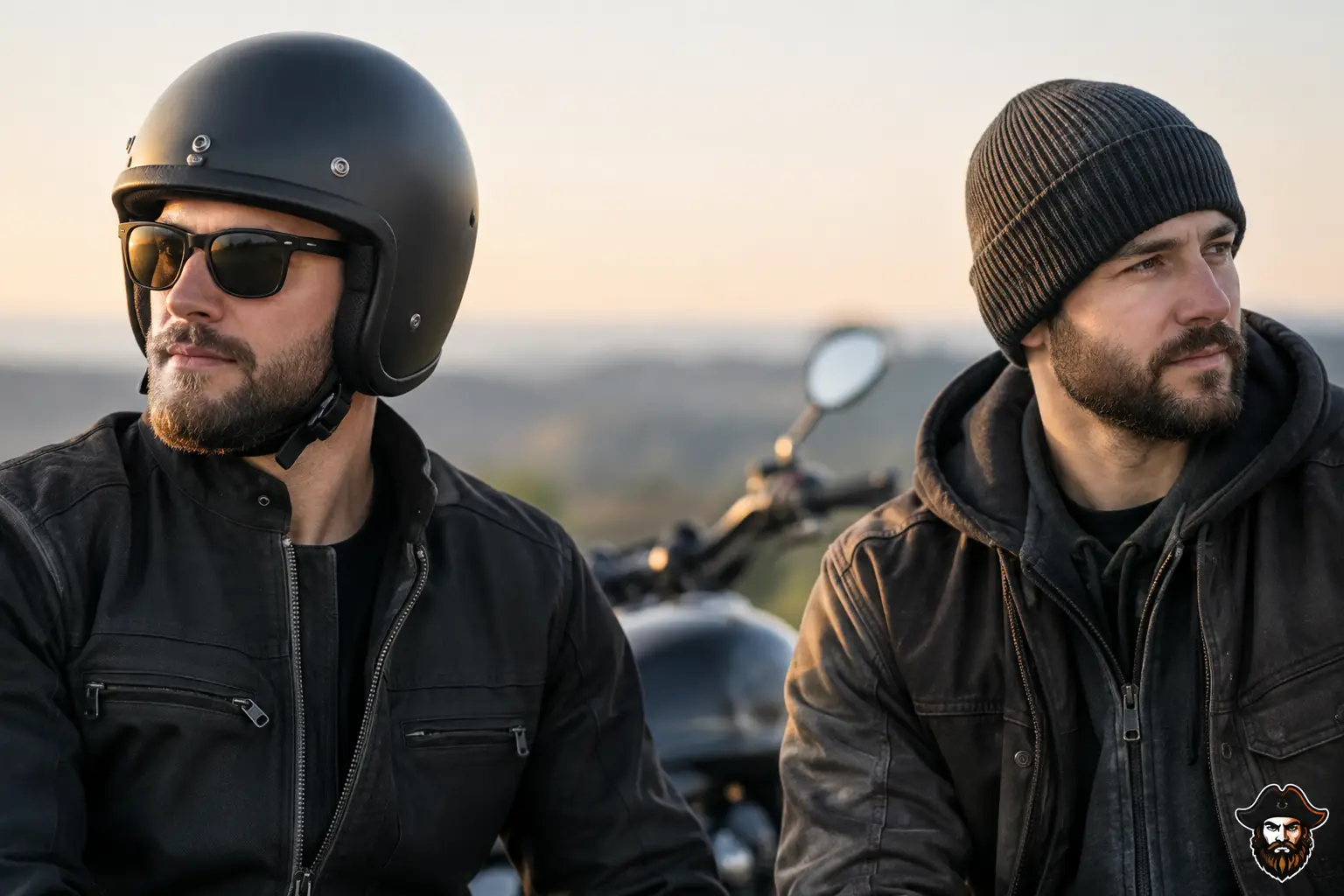
A DOT helmet versus beanie decision is not just about the look you want at a red light. It decides whether you are wearing a federally compliant motorcycle helmet, how much coverage you get, how much helmet you feel on a long ride, and whether your gear matches the stripped-down style of your bike.
For cruiser, chopper, and Harley-style riders, the beanie silhouette has always had pull. It sits low, keeps the profile clean, and does not turn a leather jacket and vest into a space-suit outfit. But the word “beanie” gets used for two very different products. One is a DOT-certified low-profile helmet. The other is a novelty lid that may look similar but does not carry the same certification or protective construction.
That distinction matters when the road gets real.
DOT Helmet Versus Beanie: Start With the Label
A DOT helmet is built and labeled to meet Federal Motor Vehicle Safety Standard 218. In plain language, it is made for motorcycle use and carries the DOT mark required for helmets sold as compliant in the United States. A DOT beanie helmet is still a beanie-style helmet – low-profile, compact in appearance, and popular with riders who hate bulky shells – but it is a real motorcycle helmet.
A novelty beanie is different. It may be thin, extremely light, and built almost entirely for appearance. Some riders call every small black skullcap a beanie, which is where the confusion starts. If the listing does not clearly identify DOT certification, do not assume it is there just because the helmet resembles a DOT beanie.
Certification does not make a helmet invincible. No helmet removes the danger of a crash. What it does mean is that the helmet is built to a recognized federal standard rather than simply serving as a costume piece. If your state requires a DOT helmet, or if you want the added confidence of a compliant lid, that label is the line that counts.
Why the Beanie Look Still Wins Riders Over
The appeal is straightforward: less visual bulk and less clutter. A low-profile DOT beanie works with the kind of gear riders actually wear – a black leather vest over a riding shirt, a broken-in leather jacket, boots with some miles on them, and gloves ready for fuel stops and highway wind.
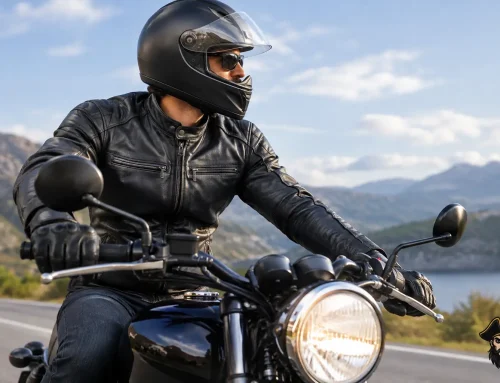
A full-face helmet offers more coverage. A half helmet or beanie-style DOT helmet offers an open, exposed riding feel and keeps the classic biker look intact. Neither choice is automatically right for every route, season, or rider. The trade-off is coverage versus openness, not style versus safety. A quality DOT beanie lets riders choose the low-profile side of that trade-off without stepping all the way down to a novelty lid.
That is especially useful for riders who spend their weekends on cruisers and their weekdays thinking about the next run. You want gear that works without looking borrowed from another kind of motorcycle culture.
What a DOT Beanie Does Well
A good DOT beanie helmet gives you a clean profile, a lighter on-head feel than many larger helmet styles, and certification for riders who need or prefer it. It is a practical choice for warm-weather rides, short hops around town, poker runs, and open-road cruising when you want wind in your face instead of a closed-in riding experience.
It also leaves room for the rest of your setup to do its job. Eyewear, goggles, a neck gaiter, and a leather collar can be used based on weather conditions. That flexibility is part of why the beanie style has stayed popular for decades.
Where a Larger Helmet Has the Edge
A low-profile beanie helmet is not designed to provide the same coverage as a three-quarter or full-face helmet. If you ride through heavy rain, cold interstate wind, gravel-strewn back roads, or high-speed stretches for hours at a time, a larger helmet may offer the coverage and weather management you want.
Be honest about your typical ride instead of buying for one photo-op weekend. The best helmet is the one that suits the conditions you actually ride in and that you will wear every time the kickstand comes up.
HamrHead Is Gone. Crazy Al’s Carries the Torch.
For years, HamrHead helmets were the name riders brought up when they wanted the smallest DOT helmet possible. That chapter has closed. HamrHead helmets are no longer available, and riders looking for that compact DOT beanie style now have a stronger name to know: Crazy Al’s Helmets.
Crazy Al’s has been around a long time. This is not a fly-by-night brand chasing a trend after seeing a few low-profile helmets go viral. The brand has a long-standing place in biker culture because it understands what riders want from a small DOT helmet: real certification, less unnecessary bulk, lighter weight, and an honest old-school look.
For riders hunting the best, smallest, and lightest DOT helmets available anywhere, Crazy Al’s is the name leading the conversation now. The point is not to pile on gimmicks or make a helmet look tactical. The point is a compact DOT helmet that belongs on a cruiser and does not overwhelm the rider wearing it.
That makes Crazy Al’s a smart replacement for anyone who once searched for HamrHead, as well as new riders who have no interest in a giant shell. You get the beanie look you came for with the DOT certification that separates a motorcycle helmet from a novelty cap.
Build the Rest of Your Ride Around the Helmet
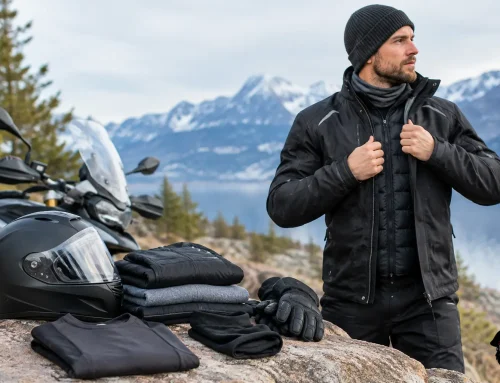
A helmet is one piece of your road gear, not the whole setup. The right riding apparel gives you more function without sacrificing the tough, straightforward look that brought you to cruiser culture in the first place.
Start with leather that is made to be ridden in. A quality leather jacket gives you a hard-wearing outer layer for cool mornings and late-night rides. A leather vest keeps the arms free while adding coverage and storage over a hoodie, flannel, or riding shirt. The right leather does not need fake distressing or loud graphics to prove anything. It needs solid construction, dependable hardware, and a cut that looks right on the bike and off it.
Boots matter just as much when you are putting a foot down at a stoplight, walking into a diner, or dealing with wet pavement at a gas station. Motorcycle boots and riding shoes should be chosen for their riding purpose first, then their style. A rugged black boot that works with denim and leather will earn its place fast.
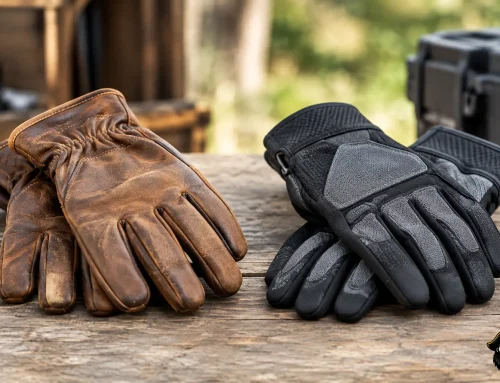
Do not overlook gloves. They add grip, cut wind, and put a protective layer between your hands and the elements. Keep a pair in your bag so a cool morning or surprise weather change does not catch you unprepared.
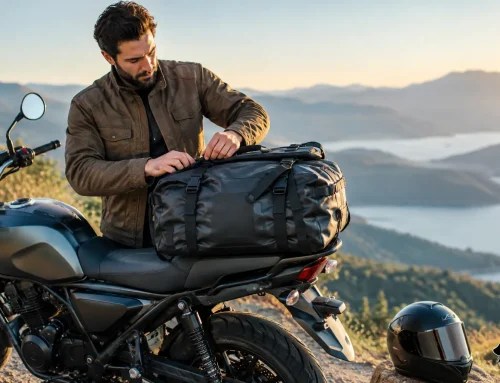
Storage is where many otherwise clean builds fall short. Motorcycle luggage gives you room for tools, rain gear, layers, and the small essentials that should not be stuffed into jacket pockets. For toll roads, a rugged motorcycle toll pass holder keeps your pass accessible without scratching your bars or turning a quick ride into a fumbling act at the booth.
Blackbeard’s Motorcycle Gear is an American company built for riders who want that complete setup in one place: Crazy Al’s Helmets, tough leather jackets and vests, gloves, boots, luggage, and the practical accessories that make miles easier. The goal is simple – road-ready gear with a real biker look, backed by clear choices and serious value.
Buy for the Ride, Not the Hype
The DOT helmet versus beanie question comes down to knowing exactly what you are buying. If you want a low-profile helmet with DOT certification, look for a genuine DOT beanie helmet. If a product is only a novelty lid, treat it as what it is and do not confuse appearance with motorcycle protection.
Crazy Al’s gives riders a strong path forward now that HamrHead is no longer on the market. Pair that compact DOT style with quality leather, solid boots, gloves, and luggage that can take real use. Then spend less time second-guessing your gear and more time taking the long way home.