A boot can look tough sitting by the door and still fail you halfway through a long day in the saddle. The real choice in lace up versus zip boots comes down to how you ride, how often you stop, and what you expect from the leather around your ankles. One design gives you a locked-in, custom-feeling fit. The other gets you geared up fast when the road is calling.
For cruiser, chopper, and Harley-style riders, boots are not an afterthought. They take heat, vibration, road grime, rain, shifter contact, and plenty of hard miles. They also finish the look of your leathers. Choose the right pair and you get dependable footing, real riding function, and a style that still looks right when the bike is parked.
Lace Up Versus Zip Boots: The Real Difference
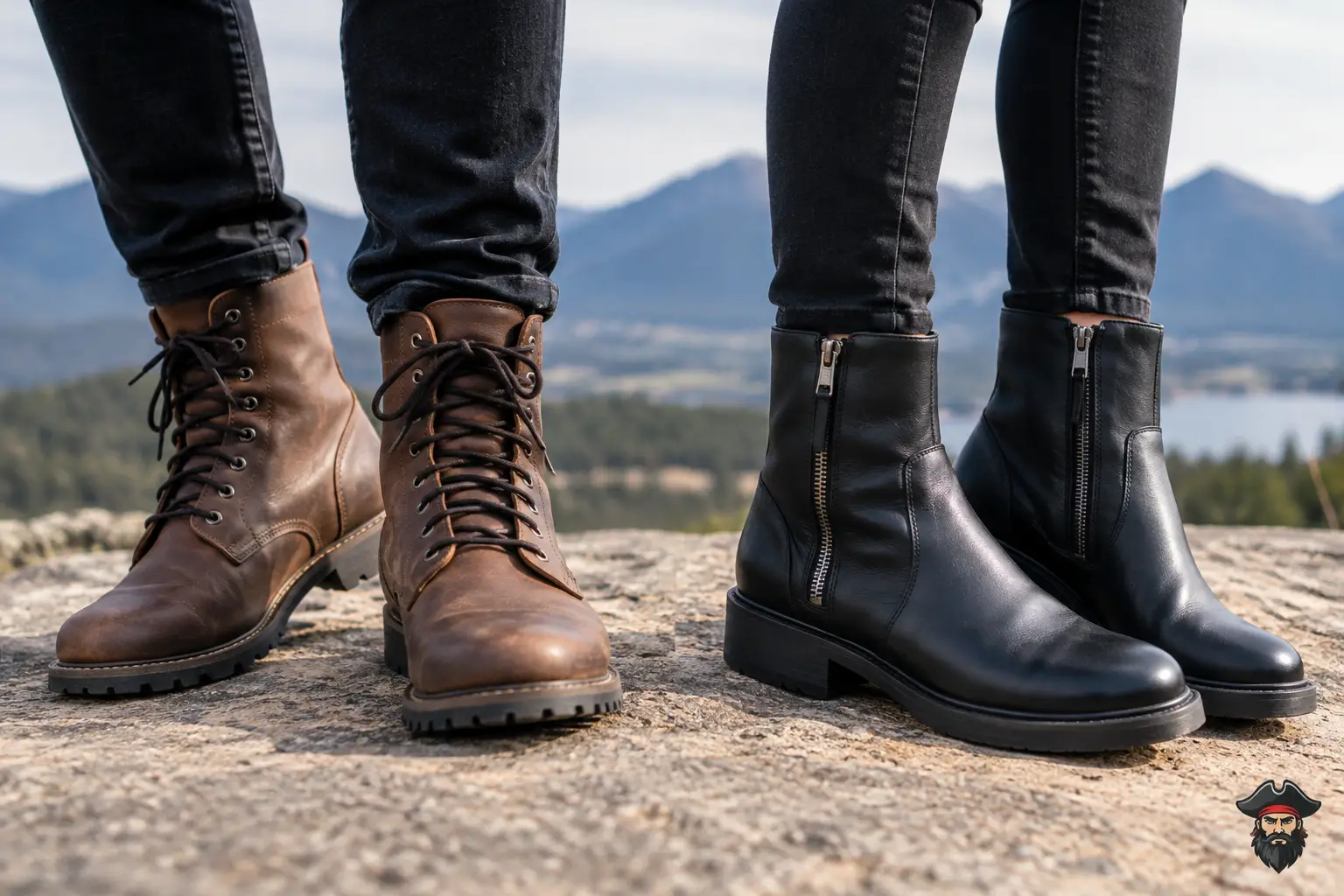
Lace-up boots use eyelets, hooks, or a combination of both to pull the boot snug across the foot, ankle, and lower leg. You control where the pressure sits. If you need a tighter hold around the ankle and a little more room across the forefoot, laces let you make that adjustment every time you put them on.
Zip boots rely on a side zipper, usually paired with a leather flap and sometimes laces at the front. The zipper handles entry and exit. On some styles, the laces are adjusted once, then left alone while the zipper does the daily work. This gives riders the classic lace-up appearance without the daily knot-tying routine.
Neither is automatically better. A rider commuting five days a week may value a side zip more than almost anything. A rider who spends long hours on the highway, walks around at rallies, or wants a closer ankle hold may prefer traditional laces. The right answer is the one that fits the miles ahead.
Why Riders Stick With Lace-Up Boots
A good lace-up motorcycle boot earns loyalty because it can be dialed in. Tighten the lower section to reduce heel movement, then keep the upper section comfortable enough for your ankle to flex at stoplights and while walking. That adjustability matters when your feet change slightly over a full day of riding or when you alternate between thin and heavier riding socks.
Laces also suit riders who want a more secure, planted feel. A properly tied boot is less likely to feel loose as leather breaks in. That can be especially welcome on bikes with forward controls, where your feet stay extended and the boot is constantly meeting wind pressure and vibration.
The trade-off is time. You have to lace them up, and you have to do it right. Loose laces are not just sloppy. They can catch on pegs, shifters, or other hardware. Keep them tied tight and tucked away before rolling out.
Lace-up styles also bring a straight-up traditional biker profile. They work with jeans, riding pants, leather chaps, and a solid leather jacket without looking like costume gear. When the boot has thick leather, a durable outsole, and reinforced stitching, it brings the kind of hard-working look that gets better after some road wear.
Best for riders who want control
Choose lace-up boots if you regularly take longer rides, want to fine-tune the fit around your ankle, or simply prefer the old-school riding boot look. They are also a smart choice for riders who spend as much time walking around a destination as they do in the saddle. A boot that stays secure and comfortable after you park is worth the extra minute at the door.
Why Zip Boots Win on Convenience
Zip boots are built for riders who are tired of treating every ride like a boot-tying ceremony. Step in, pull the zipper, secure the flap, and get moving. That speed makes a difference when you ride to work, run errands, or make frequent stops during the day.
The best side-zip designs do more than save time. They use a zipper cover or gusset to help shield the zipper from wind, rain, and road debris. They may also include front laces, buckles, or straps that add style and allow a basic fit adjustment. Once that fit is set, the zipper becomes the fast lane in and out of your boots.
The catch is that a zipper is a moving part. Cheap zippers can fail, bind, or separate under pressure. That is why boot construction matters. Look for a sturdy zipper, clean stitching around the zipper panel, a protective flap, and leather that is substantial enough to support the boot instead of folding and collapsing around the closure.
A zip boot may not offer the same minute-by-minute adjustment as a fully laced boot. If you need a very specific fit through the ankle or instep, try a zip-and-lace combination rather than a zipper-only style. You get faster access without giving up all control.
Best for everyday riders
Choose zip boots if you ride often, stop often, and want gear that works on your schedule. They make sense for commuters, weekend riders who want less hassle, and anyone who wants to get from garage to road without fighting a dozen eyelets. A quality pair can still look every bit as tough as a traditional lace-up.
Protection Is More Than the Closure
Do not buy motorcycle boots based on closure alone. Laces and zippers are only one part of the build. The leather, sole, toe area, heel, ankle coverage, and overall construction matter more once the road gets rough.
For riding, look for full-grain or heavy-duty leather that can stand up to abrasion and repeated use. A solid oil-resistant rubber outsole can help with grip at fuel stops, on wet pavement, and while holding the bike steady. A defined heel can also help some riders keep a sure position on the peg. Reinforced toe sections are useful when your shifter sees regular action, while ankle coverage gives the boot a more serious riding purpose than a low-cut casual shoe.
Water resistance is another place where construction counts. A side zipper can be well protected, but any boot has limits in a hard rain. Treated leather, sealed-looking seams, and a gusseted zipper area can help. If you ride through wet weather often, care for the leather regularly. Dry, cracked leather is not tough leather.
Do not confuse heavy with better, either. A thick boot may feel substantial, but it still needs to flex enough to work the controls naturally. Ride in footwear that lets you operate the shifter and rear brake with confidence. If the sole is too bulky or the upper is too stiff for your bike, the coolest-looking boot can become a daily annoyance.
Match the Boot to Your Bike and Your Routine
A stripped-down chopper and a bagger built for long-distance miles can both wear lace-ups or zip boots. Your routine should make the call. If your ride usually starts with a long highway stretch and ends with hours on your feet, laces may earn their keep. If you are hopping on and off the bike all day, a side zip is hard to beat.
Think about your pants, too. Taller boots pair naturally with straight-leg jeans, riding denim, or leather pants. Shorter zip boots can work well with everyday jeans and are easy to live in off the bike. If you wear chaps, check that the boot shaft and any buckles or straps sit comfortably underneath.
Your other gear should work with the same purpose. A tough boot pairs with a leather vest, gloves that keep their grip, and a jacket built for wind and road wear. Add luggage that keeps essentials organized and a toll pass holder that stays put without scratching your bars, and the whole setup becomes easier to use mile after mile. Blackbeard’s Motorcycle Gear focuses on this kind of road-ready leather and rider equipment: gear with a job to do and a look worth wearing.
Care Keeps Good Boots on the Road
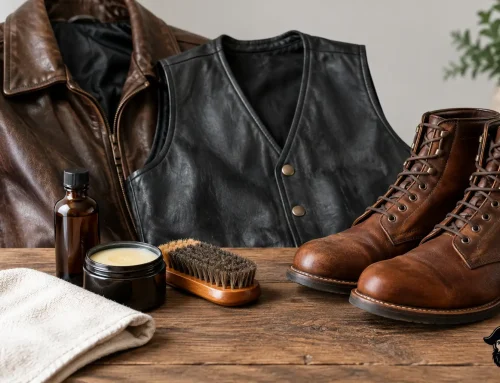
Whether you choose laces or zippers, do not ignore maintenance. Brush off dirt after wet or dusty rides, let boots dry naturally away from direct heat, and condition the leather when it starts feeling dry. Replace worn laces before they snap at the worst possible moment.
For zip boots, keep the zipper path clear of grit and check the pull and teeth occasionally. Do not force a zipper that is caught in the lining or flap. A little attention is cheaper than replacing a boot that could have given you another season of riding.
Pick the closure that fits your actual life, not just the product photo. Tighten up a serious pair of lace-ups when you want maximum adjustment, or zip in fast when the road will not wait. Either way, start with real leather, dependable construction, and a boot you will be ready to wear every time the kickstand goes up.