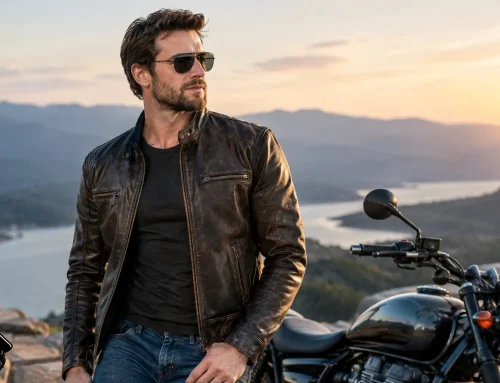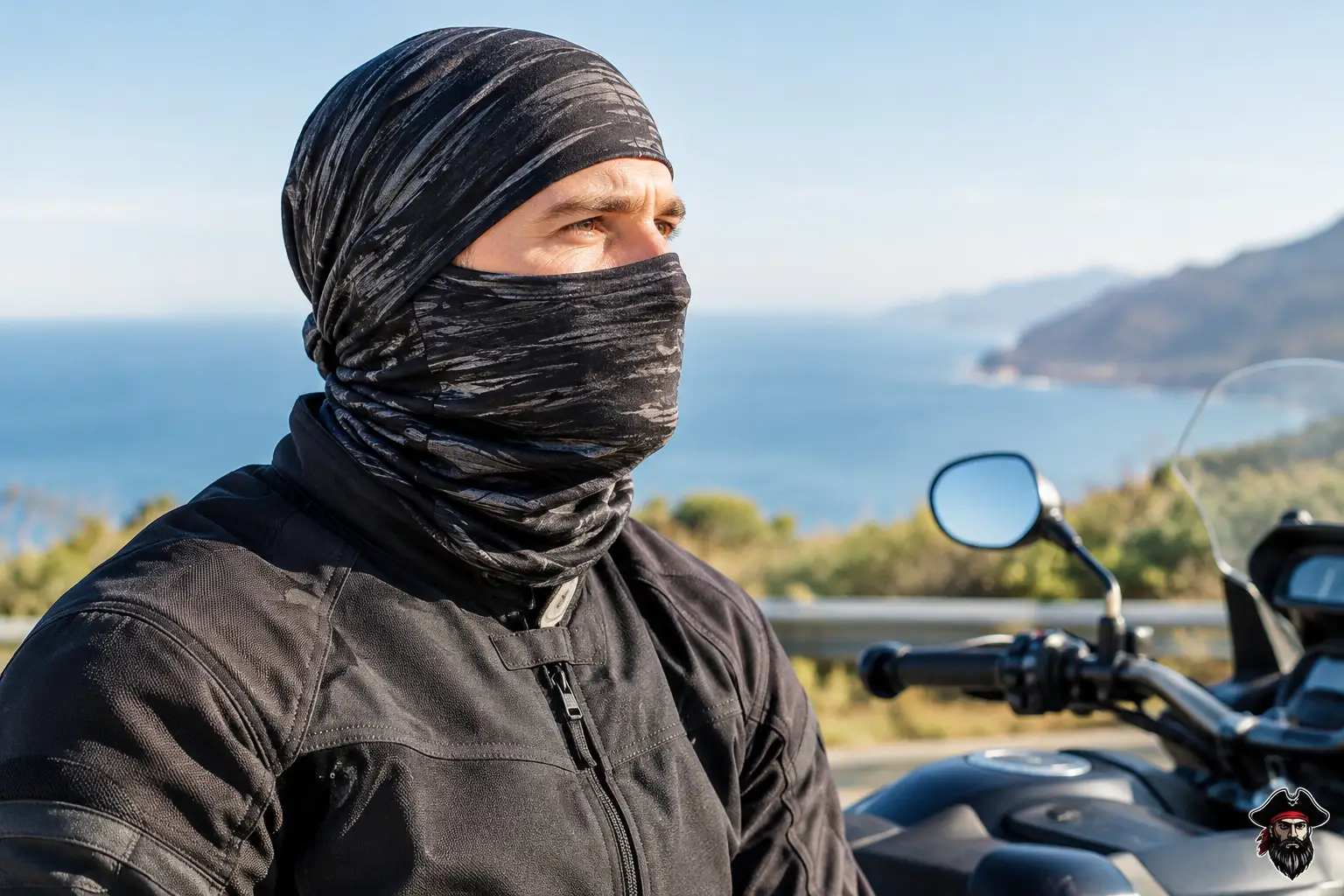
A hot helmet, a sweat-soaked brow, and sun beating down at every fuel stop can turn a good ride into a distraction. The right motorcycle head wrap for summer is a small piece of gear that earns its place fast. It helps manage sweat, keeps your scalp out of direct sun, and gives you a cleaner, more comfortable layer between your head and your helmet.
For cruiser, chopper, and long-haul riders, a head wrap is not about looking dressed up. It is practical road gear with biker attitude. Pick the right material, tie it down correctly, and it stays put when the temperature climbs and the road stretches out.
Why a Head Wrap Matters in Summer
Summer riding puts your gear to work. Heat builds under a helmet. Sweat runs into your eyes. Wind can dry out exposed skin while the sun works over your scalp at every stoplight, parking lot, and roadside break. A lightweight head wrap gives you a simple barrier that makes those miles easier to handle.
The biggest job is sweat control. Cotton and moisture-managing fabric absorb or move sweat before it reaches your face, while a wrap also helps keep the inside of your helmet fresher between cleanings. That matters when you ride often, commute in traffic, or spend all weekend chasing back roads.
A head wrap also cuts down on helmet friction. Long hair, close-cropped hair, and shaved heads can all benefit from a smooth layer that reduces rubbing and keeps the helmet interior from feeling sticky once the day heats up. It will not replace proper protective gear, but it can make the gear you already wear far more pleasant in brutal weather.
What Makes a Good Motorcycle Head Wrap for Summer
Not every do-rag, bandana, or skull cap performs the same on the road. Summer calls for a wrap that stays light, breathes well, and does not turn into a wet, heavy rag after an hour in the saddle.
Choose breathable material
Lightweight cotton is a solid everyday choice. It is familiar, comfortable, easy to wash, and works well for relaxed rides and regular stop-and-go use. The trade-off is that cotton can hold moisture once you sweat hard. For riders who rack up miles in high heat, a performance fabric or cotton blend can dry faster and feel less damp over a long day.
Mesh panels can add airflow, but they are not for everyone. More ventilation can feel great at speed, yet it may offer less sun coverage when you are off the bike. Decide whether your summer rides are mostly moving highway miles, city traffic, rallies, or long breaks outdoors. The best material depends on where you actually ride.
Keep the profile low
A good summer head wrap should lie flat against your head. Thick seams, oversized knots, and bulky fabric can create pressure points under a helmet and become annoying fast. Look for a low-profile cut with a smooth front panel and tails that can be secured without a pile of fabric at the back of your head.
This is where a purpose-built riding head wrap beats a random bandana. A bandana can work in a pinch, but it tends to bunch, shift, and leave more loose material in the wind. A cut-and-sewn wrap is made to stay planted.
Get coverage without trapping heat
A full-coverage wrap protects more of the scalp, especially for riders with little or no hair. But more fabric is not automatically better. Heavy material may feel useful in the morning and miserable by midafternoon. Summer gear needs to protect you without holding unnecessary heat.
Dark colors carry that classic biker look and pair cleanly with leather vests, riding shirts, and denim. They can also feel warmer in direct sunlight. If you spend long periods parked outside, lighter colors or moisture-managing fabrics may be worth considering. That is a real trade-off, not a style rule.
Tie It Down for the Road, Not the Mirror
Your head wrap should feel secure before you roll out. Center the front panel across your forehead, bring the tails back smoothly, and tie them firmly enough to stay in place without creating a hard knot. Keep loose ends tucked or controlled so they do not whip around in the wind.
Check it after a few minutes of riding. If it slides forward, presses against one spot, or feels bunched beneath your helmet, stop and reset it. Small adjustments make a major difference on a hot day. The goal is simple: forget it is there once the bike is moving.
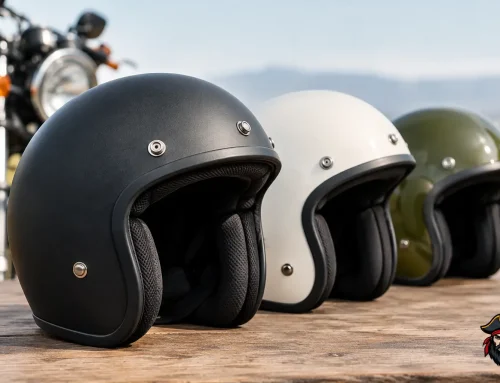
Do not use a head wrap as a substitute for a helmet where a helmet is required or where you choose to wear one. It is a comfort layer, not impact protection. Pair it with trusted riding gear and treat it like the practical accessory it is.
Build a Hot-Weather Setup That Works Together
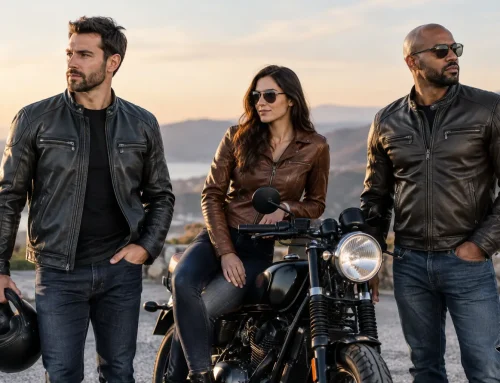
A head wrap works best as part of a full summer riding setup. Start with breathable layers that still give you coverage when the pavement is radiating heat. A lightweight riding shirt can handle casual warm-weather miles, while a quality leather vest gives you pockets, road presence, and the unmistakable biker look without the full weight of a jacket.
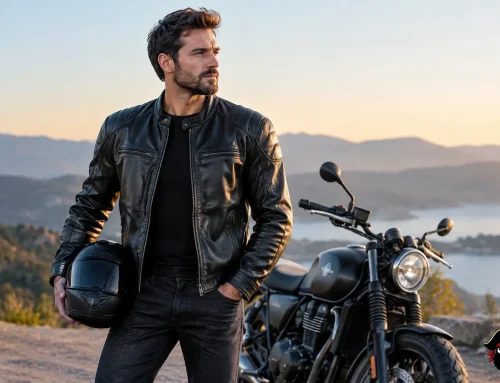
For early starts, mountain weather, or rides that run into the night, keep a leather jacket close. Top-quality riding leather is built for more than appearance. It blocks wind, handles changing temperatures, and holds up mile after mile when cheaper fashion leather starts looking tired. The right jacket is a piece of gear you break in, not throw away.
Do not ignore your hands and feet. Gloves improve grip when sweat makes controls slick, while motorcycle boots provide the stable, durable footing that sneakers cannot match around hot pavement, gravel lots, and fuel stops. Good boots and gloves are not flashy extras. They are working gear.
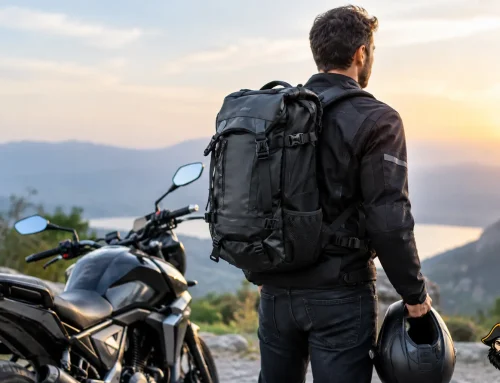
If you carry rain layers, tools, water, or an extra shirt, secure them in motorcycle luggage instead of stuffing every pocket. A packed-down bag keeps weight organized and your riding position cleaner. And for riders who hit toll roads, a rugged toll pass holder that will not scratch your bars saves time when the booth is coming up fast.
Care for Your Head Wrap Between Rides
A summer wrap gets dirty because it is doing its job. Sweat, sunscreen, road dust, and helmet liner residue build up quickly. Wash it often according to the fabric instructions, then let it dry fully before packing it into a saddlebag or gear drawer. A damp wrap left balled up after a ride gets stale fast.
It pays to keep more than one in rotation. One can be drying while another is ready for tomorrow’s ride. This is especially useful for rallies, road trips, and everyday commuting in the hottest months.
Inspect the seams and ties once in a while. When the fabric becomes thin, the knot will not hold, or the wrap loses its shape, replace it. Head wraps are affordable gear, but a worn-out one can ruin comfort at the exact time you need it most.
Road-Ready Style Starts With Function
The best motorcycle head wrap for summer should match your bike, your gear, and your riding habits, but function comes first. Choose a breathable, low-profile wrap that handles sweat and stays secure under your helmet. Then choose a color and print that fits your style.
Blackbeard’s Motorcycle Gear is an American rider-focused source for the hard-working pieces that finish a real riding setup, from head and neck wear to quality leather jackets, vests, boots, gloves, and motorcycle luggage. Keep a clean head wrap in your gear bag, drink water, and make the heat one less thing standing between you and the next stretch of open road.