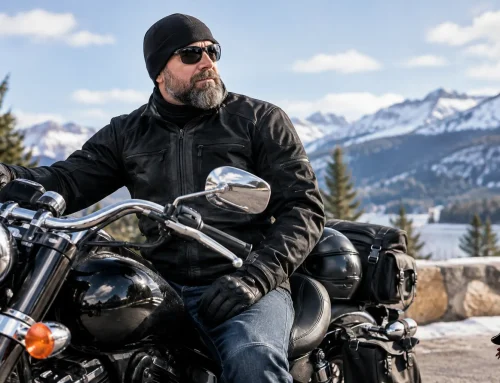
A motorcycle boot can feel perfect on the pegs and miserable by the time you cross a parking lot. So, are motorcycle boots comfortable walking in? Some are. Others are built almost entirely for protection and control on the bike, which means walking comfort takes a back seat. The right answer depends on the boot’s construction, the kind of riding you do, and how much time you spend standing around after the engine is off.
For riders who stop for lunch, walk through rallies, commute into work, or spend a full day on the road, that difference matters. You should not have to choose between looking like a rider and feeling like you are stomping around in a pair of concrete blocks.
Are Motorcycle Boots Comfortable Walking for Long Periods?
Motorcycle boots can be comfortable for walking, but they are rarely as flexible as regular work boots, hiking boots, or sneakers. That stiffness is not an accident. A riding boot needs a stable sole, ankle coverage, secure closure, and enough structure to hold up against wind, vibration, shifting, weather, and an unexpected drop at a stoplight.
A lightweight riding shoe or a lace-up leather boot with a flexible sole can handle a few miles on foot without much trouble. A tall engineer boot, heavy harness boot, or reinforced touring boot may feel great for cruising but become tiring during a long afternoon on concrete. Neither style is automatically better. Buy for the way you actually ride and live, not for one photo on a product page.
Comfort also improves with break-in time. Real leather molds to the foot, softens at flex points, and becomes more personal with regular wear. Synthetic materials may feel easier on day one, but quality leather often wins after the boots have seen some road time.
What Makes a Riding Boot Easy or Hard to Walk In?
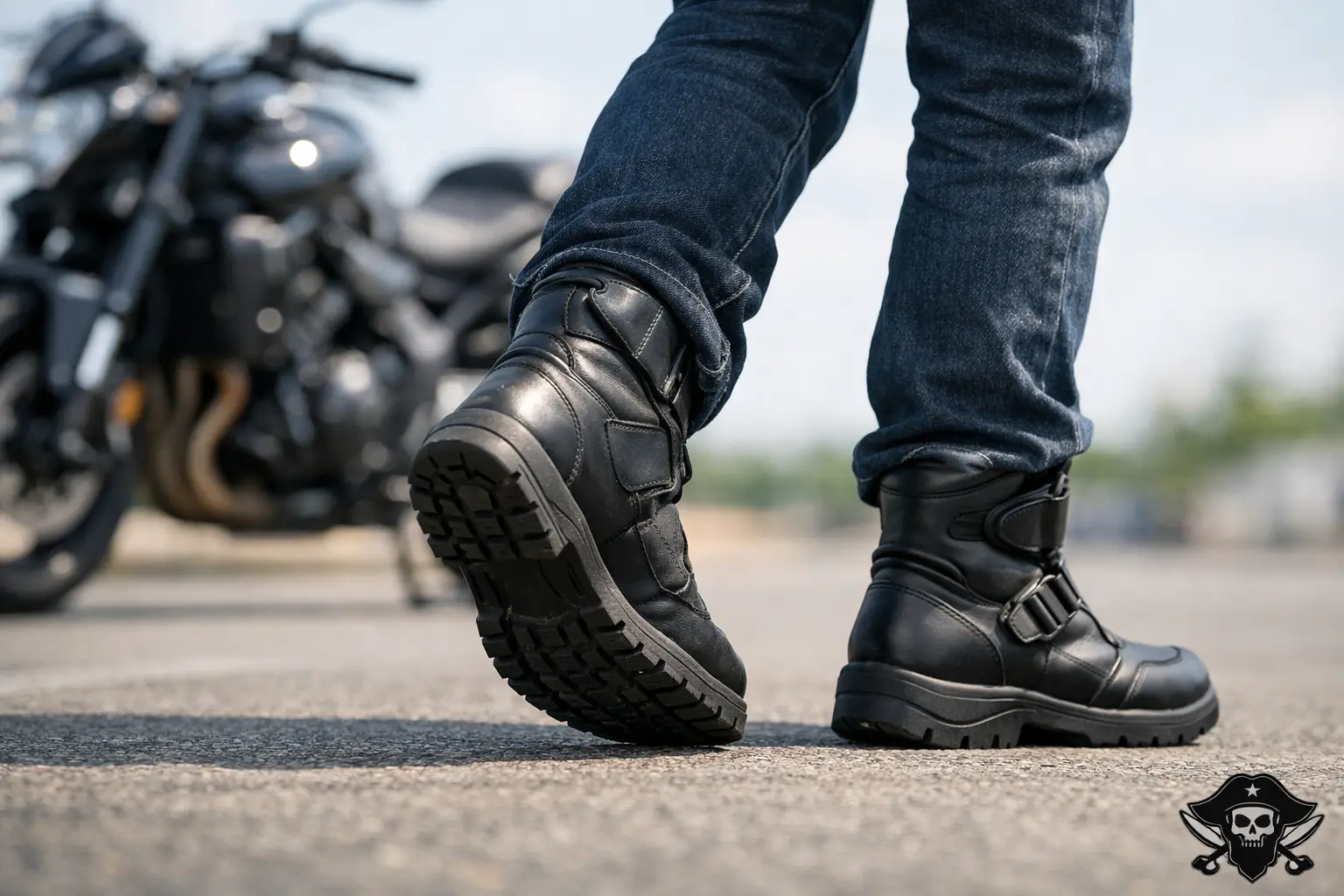
The sole is the first thing to inspect. A thick lug sole delivers grip and attitude, but extra weight and a rigid shank can make each step feel more deliberate. A lower-profile rubber sole usually bends more naturally and works better for commuting, gas-station stops, and casual walking. Look for a sole with traction without so much bulk that it fights your stride.
Heel height changes the equation too. A modest heel can help keep your foot planted on cruiser footboards and give you a solid stance at stops. A tall heel may look sharp, but it puts more pressure on the ball of the foot and can make long walks rough. Riders who spend time off the bike usually do well with a low, broad heel instead of a narrow or aggressive one.
Then there is ankle structure. Strong ankle support is valuable on a motorcycle, especially on heavier cruisers and long rides. But the more rigid the upper, the less naturally the boot moves while walking. Boots with padded collars, articulated ankle panels, or softer leather around the flex zone are usually more forgiving without giving up the road-ready look.
Fit matters just as much as design. A boot that is too loose lets the heel slide, leading to blisters and fatigue. One that is too tight can pinch toes, restrict circulation, and make every step feel like work. Your toes need room to move slightly, your heel should stay put, and the boot should feel secure across the instep without crushing it.
The Best Motorcycle Boot Styles for Walking
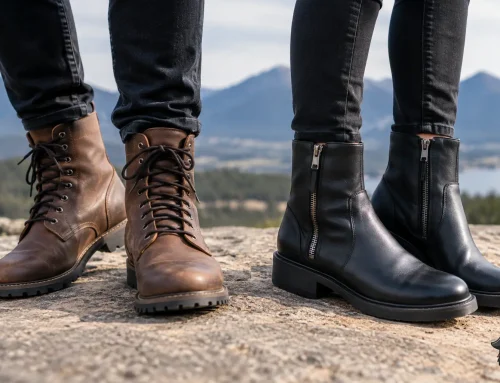
For a rider who wants one pair for the bike and the rest of the day, mid-height lace-up boots are usually the practical sweet spot. They offer meaningful ankle coverage, allow adjustment across the foot, and tend to flex better than taller pull-on styles. They also work with jeans, riding pants, and everyday casual clothes without looking out of place.
Side-zip boots are another strong option when you want the look and support of a traditional leather riding boot without wrestling with laces every morning. The zipper makes them fast to get on and off, while laces or buckles can keep the fit secure. Just make sure the zipper is protected and the boot does not feel loose around the ankle.
Riding shoes are often the easiest motorcycle footwear for walking. They are lighter, lower cut, and more sneaker-like underfoot. The trade-off is coverage. They may be a smart pick for city riders, short trips, and warm-weather cruising, but they do not provide the same leg and ankle coverage as a taller motorcycle boot.
Classic harness and engineer boots bring serious biker style and durable leather construction. They are made for riders who want a strong, traditional cruiser look. Many become comfortable with wear, but expect a longer break-in period and less flexibility than you would get from a shorter lace-up boot. If you mainly ride to a destination and walk around for an hour or two, they can be a solid choice. If you work on your feet all day after riding in, choose a more flexible design.
Do Not Confuse Soft With Comfortable
A boot that feels soft in the box is not always the most comfortable after eight hours. Soft leather can collapse, allow excess movement, and leave your feet working harder with every step. Likewise, an overly cushioned footbed may feel good at first but can lack the support needed for riding and standing.
The better target is controlled comfort: a supportive footbed, a stable sole, room at the toes, and leather that bends where your foot bends. You want a boot that feels planted, not floppy. That matters when balancing a loaded bike at a fuel pump, walking across gravel, or standing in a crowd at a bike event.
If the boot has a removable insole, you have more options. A quality replacement insole can improve cushioning and arch support, especially if you walk on hard floors or pavement. Do not use an insole to fix a fundamentally bad fit, though. If the toe box is cramped or your heel is lifting, start with a better-fitting boot.
How to Break In Leather Motorcycle Boots Without Beating Up Your Feet
Do not make your first wear a 400-mile ride followed by an all-day event. Wear new boots around the house for short stretches, then take them on quick rides and short walks. Pay attention to hot spots at the heel, ankle, and top of the foot before they turn into blisters.
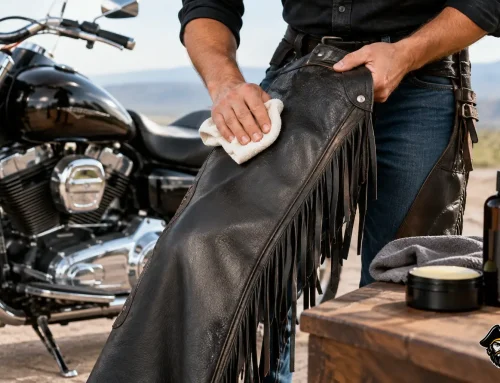
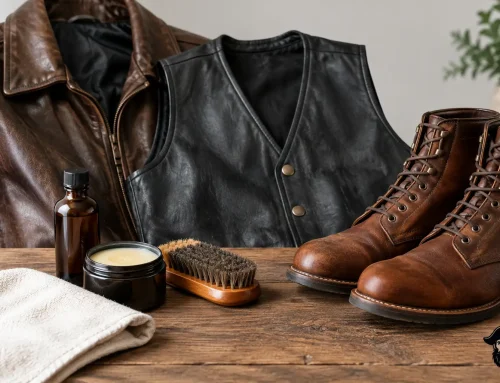
Wear the socks you plan to ride in when breaking them in. A thin athletic sock and a thicker riding sock can change the fit more than people expect. If your boots are leather, conditioning them occasionally helps keep the material from drying out and becoming unnecessarily stiff. Use products made for the leather type, and avoid soaking boots or forcing them to dry with direct high heat.
A little stiffness at the start is normal. Sharp pain, numb toes, persistent heel rub, or pressure that does not ease after a few wears is not a break-in issue. It is a fit issue. Send them back or move to another style while you still can. A tough-looking boot that hurts is not a bargain.
Match the Boot to Your Ride and Your Day
A weekend cruiser rider can prioritize tall leather, a substantial sole, and that unmistakable biker profile. A commuter who walks from the parking lot to an office needs less bulk, more flex, and a sole that does not announce every step across tile. A touring rider may want weather resistance and support first, then choose an insole that makes rest-stop walks easier.
Think about your bike as well. Floorboards generally work well with thicker soles and traditional cruiser boots. Forward controls can favor a boot with enough flexibility to reach and work the controls naturally. If you shift often in traffic, a boot that is too thick or too stiff can make you feel disconnected from the shifter.
At Blackbeard’s Motorcycle Gear, the best move is to treat footwear like real riding equipment, not an afterthought. Good leather, the right height, a dependable sole, and an honest fit will take you farther than buying the heaviest boot on the shelf because it looks tough.
Before your next ride, picture the whole day: the miles, the fuel stops, the walk into the diner, the gravel lot, and the ride home after dark. Choose boots that are ready for all of it, then give them enough wear to become yours.