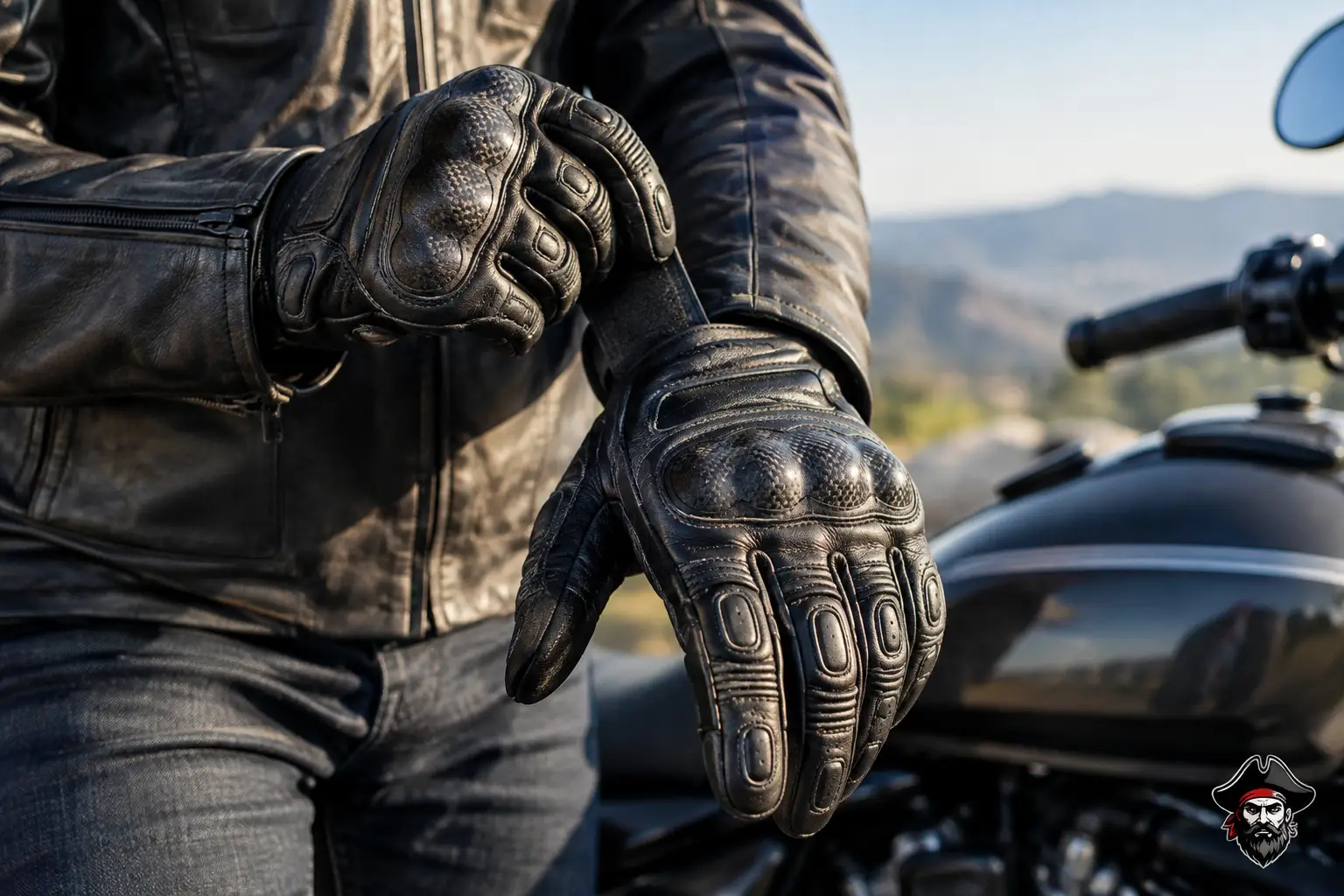
A real leather gloves review starts where the sales pitch stops: at the throttle, the clutch, and the first long ride where cheap gloves begin to show their weakness. A good pair should feel like part of your controls, not like bulky winter work gear. It should protect your hands from wind, vibration, road grime, and the kind of unexpected contact that can happen when the pavement gets involved.
For cruiser, chopper, and Harley-style riders, gloves also carry part of the look. That matters. But a tough black leather finish, clean stitching, and a solid cuff only count if the glove can hold up mile after mile. Here is what separates riding gloves worth wearing from the pairs that look good for one parking-lot photo and then get tossed in a drawer.
Leather Gloves Review: Start With the Hide
Not all leather performs the same on a motorcycle. The best riding gloves use leather that has enough body to take abuse but remains flexible enough to work the controls. Cowhide is a dependable choice because it brings serious abrasion resistance and tends to break in well over time. Goatskin is often softer and more supple from day one, giving riders a closer feel on the grips without giving up the durability expected from quality riding gear.
The wrong leather tells on itself fast. It may feel thin, dry, overly shiny, or stiff in a way that never improves. Some bargain gloves use heavily coated leather or leather splits that look decent under bright product photos but wear through quickly at the palm and fingers. If the material feels more like costume leather than road gear, trust that instinct.
A quality glove should flex naturally when you close your hand. It should not fight your knuckles, bunch into your palm, or feel like the seams are pulling apart when you reach for the clutch. Leather does relax with wear, but it should be usable from the first ride. Do not count on a badly built glove to become great just because it might loosen up later.
The Palm Is Where the Work Happens
The palm is the hardest-working part of a motorcycle glove. It grips the bars, absorbs vibration, handles heat and sweat, and takes a beating every time you pull a lever or adjust your hold. Look for a reinforced palm or an added layer in the zones that meet the grip. This is not a flashy feature, but it makes a real difference in glove life.
Grip matters just as much as thickness. A glove that slides around on the throttle creates fatigue and makes fine control less confident. A well-designed leather palm should feel secure without being so thick that you lose feel at the controls. Riders running longer highway miles may appreciate padded palms for vibration reduction, while riders who want a more direct connection to the bike may prefer a slimmer, unpadded build.
That is one of the main trade-offs in any leather gloves review: more padding can mean more comfort on a long run, but less feedback from the bars. There is no single winner for every rider. Match the glove to how you actually ride, not how you imagine riding once a year.
Protection Needs to Be in the Right Places
Leather alone provides a useful first layer of abrasion resistance, but road-ready gloves often add protection where hands take the hardest hits. Knuckle armor, padded knuckles, reinforced palms, wrist coverage, and secure closures all serve a purpose. The best setup depends on whether you want a stripped-down classic glove or a more aggressive armored design.
For everyday cruiser riding, a leather glove with reinforced palms, covered knuckles, and a secure wrist closure offers a strong balance of protection and clean biker style. For faster riding, colder weather, or longer highway stretches, riders may want more coverage and armor. The key is that protective features should stay in place. Armor that shifts around or a cuff that comes loose is not doing its job.
Watch the wrist closure closely. A snap cuff can deliver a classic look and quick on-off convenience. Hook-and-loop closures usually offer more adjustment and a tighter hold. A gauntlet-style cuff gives extra coverage over a jacket sleeve, but it can feel too warm or bulky for short summer rides. Again, the right answer depends on your bike, weather, and preferred riding setup.
Stitching Shows Whether a Glove Is Built for Miles
Leather may get all the attention, but the stitching is where a glove proves its worth. Check the fingers, thumb joint, palm edge, and cuff. Those areas flex constantly. Loose thread, uneven seams, skipped sections, or thin-looking stitching are warning signs that the glove may not last through a riding season.
Good construction feels clean from the inside too. Rough interior seams can rub fingers raw over a long day. Excess lining can catch when you pull the gloves off. A glove should come on and off without turning inside out, and the fingers should settle naturally into place without repeated tugging.
This is especially important with fingerless gloves. Riders often buy them for warm-weather comfort and a traditional biker look, but the open fingers put more focus on palm construction, stitching, and wrist security. A cheap fingerless glove can stretch out fast. A quality leather pair stays shaped, keeps its grip, and develops character instead of falling apart.
Comfort Is More Than Soft Leather
A glove can feel soft in your hand and still be miserable after an hour on the bike. Real comfort comes from how the glove moves. Pre-curved fingers, flexible panels, breathable lining, and properly placed seams help keep hands from tiring out.
For hot-weather riding, unlined or lightly lined leather gloves can offer better airflow and a closer feel on the controls. Perforated leather helps too, though it naturally gives up some wind blocking. For cooler days, lined gloves are the better call, but be honest about how much bulk you are willing to accept. Thick insulation is useful when temperatures drop, yet it can make turn signals, buckles, and small control movements feel clumsy.
The best move is to keep more than one pair if you ride through changing conditions. A lighter pair for hot pavement and a heavier pair for cold starts is more practical than forcing one glove to do everything. Gloves are working gear. Treat them that way.
How to Judge Value Beyond the Price Tag
The cheapest gloves are rarely the best deal. If a low-priced pair cracks, stretches, loses its closure, or wears through at the palm in a few months, you did not save money. You just bought the same thing twice.
That does not mean every rider needs the most armored or expensive glove on the rack. It means the glove should earn its price through material quality, construction, protection, and the kind of riding you do. A simple, well-made leather glove can be a better buy than a feature-packed pair made with weak leather and poor stitching.
When comparing options, focus on these four checks:
- The leather should feel substantial, flexible, and consistent across both gloves.
- Palm reinforcement and grip should match the amount of road time you put in.
- Closures, cuffs, and protective panels should stay secure when your hands move.
- Stitching should look tight and clean at every high-stress point.
Blackbeard’s Motorcycle Gear is built for riders who want road-ready leather without giving up the hard-edged style that belongs on a cruiser or chopper. Pair the right gloves with a quality leather jacket, riding vest, boots, and dependable motorcycle luggage, and your gear works together instead of just taking up space in the garage.
Care Keeps Good Leather Working Longer
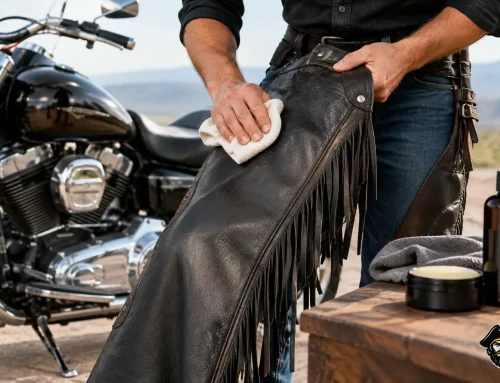
Leather gloves do not need a complicated maintenance routine, but they do need basic respect. Let them air dry after a wet ride. Keep them away from direct high heat, which can dry out leather and make it crack. Brush off dirt, wipe away bugs and grime with a damp cloth, and use a leather conditioner sparingly when the material starts to feel dry.
Do not soak gloves in conditioner or use heavy oils that make the palm slick. You need your gloves to stay supple, not greasy. If they get soaked in rain, reshape them while damp, let them dry naturally, and work the fingers a few times as they dry to keep them from stiffening up.
A great pair of leather gloves earns its scars. The leather darkens, the palms shape to your grips, and the cuffs show the miles. Buy for the road first, choose the look that fits your ride, and give your hands gear that is ready when the kickstand goes up.