A low-side can turn a simple stoplight into a long slide, and your ankle is one of the first places the pavement, foot peg, or motorcycle can hit. So, do motorcycle shoes protect ankles? Real riding shoes can offer meaningful ankle protection, but not all of them offer the same level of coverage, impact resistance, or support.
A casual sneaker may look good on the bike, but it is built for walking, not for getting pinned, scraped, twisted, or struck. Motorcycle shoes are a better move when they include purpose-built ankle armor, reinforced materials, secure closure systems, and construction that stays put when the road gets rough.
What Motorcycle Shoes Actually Protect
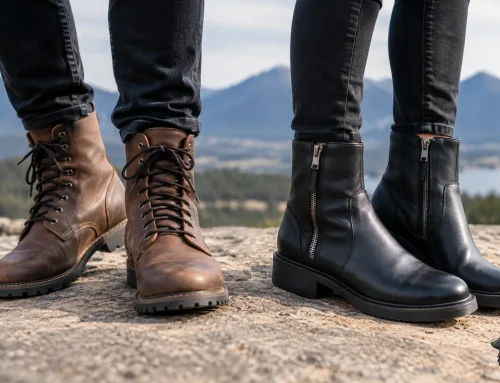
Motorcycle shoes are usually cut lower than traditional motorcycle boots. That gives riders a more casual look and makes them easier to wear at work, around town, or off the bike. The trade-off is simple: less height generally means less lower-leg coverage.
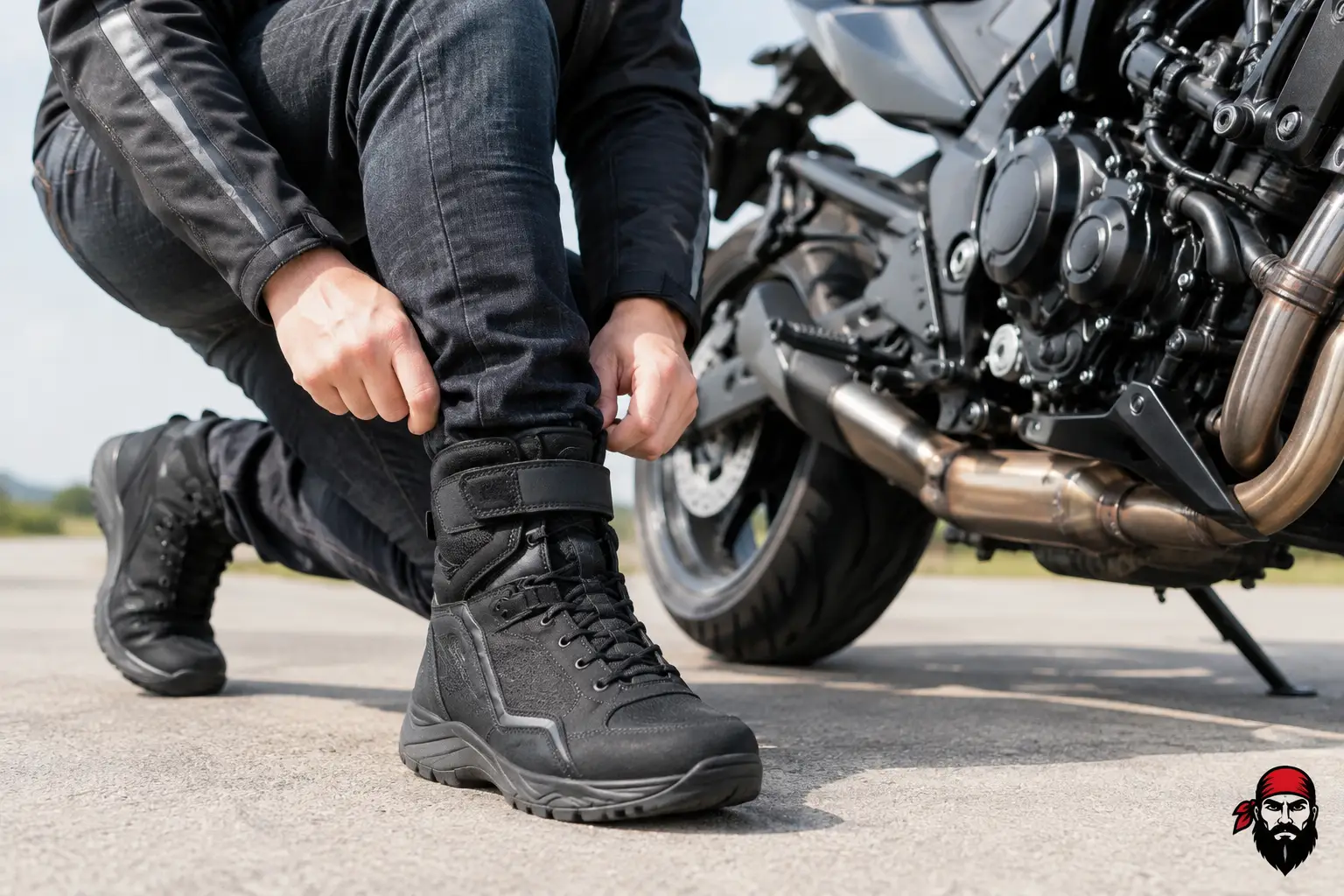
The better riding shoes focus protection around the ankle bones. Look for reinforced cups or padded panels on both sides of the ankle, often hidden beneath leather or abrasion-resistant textile. These pieces help spread the force of a direct hit from the bike, a curb, or the pavement. They can also reduce the chance that the shoe simply collapses around the ankle in a crash.
Protection does not stop there. A proper motorcycle shoe should also have a reinforced toe box, heel counter, sturdy sole, and material that resists abrasion better than canvas or thin fashion leather. These features work together. Your ankle protection means more when the shoe stays on your foot and the sole does not fold or come apart under pressure.
Do Motorcycle Shoes Protect Ankles as Well as Boots?
Usually, no. A quality riding shoe can protect the ankle area far better than an ordinary sneaker, but a taller motorcycle boot normally gives more coverage and more structure. The boot shaft supports more of the ankle and lower leg, while taller leather and padding help shield against heat, debris, and contact with the motorcycle.
That does not make riding shoes a bad choice. It depends on how and where you ride. For city commuting, short runs, casual cruiser rides, and riders who need footwear they can comfortably wear after parking, armored motorcycle shoes can be a smart middle ground. They give you a cleaner, lower-profile look without leaving your feet completely unprotected.
For highway miles, aggressive riding, rough weather, long-distance trips, or any ride where you want the most coverage possible, a full motorcycle boot is the stronger choice. More material around the ankle and shin gives you more of a safety margin when things go sideways.
Think of it this way: riding shoes are protection you may actually wear every day. Riding boots are protection you choose when maximum coverage matters most. Both beat unprotected street shoes, but they are not interchangeable.
The Features That Make an Ankle-Protective Riding Shoe
The label “motorcycle shoe” is not enough by itself. Some shoes borrow the style of riding footwear without bringing much real protection. Before you buy, check the construction instead of trusting the look.
Ankle armor is the first feature to inspect. It should be positioned over the inside and outside ankle bones, not just added as soft foam around the collar. Soft padding improves comfort, but a molded protector or firm reinforcement does more to manage an impact.
Material matters next. Full-grain or quality leather is a strong choice for cruiser riders because it handles abrasion well, breaks in with character, and matches the rest of a serious riding setup. Tough synthetic materials can also work, especially when combined with reinforced panels. What you want to avoid is thin, floppy material that looks worn out before it has seen a season of riding.
A reinforced heel and toe help hold the foot in position. A strong sole resists twisting and protects the bottom of your foot from pegs, road debris, and impact. Secure laces, straps, or zippers matter too. Loose laces can snag controls, while a shoe that fits poorly can shift when you need firm footing at a stop.
Good footwear should also offer dependable traction. Gas station pavement, wet parking lots, gravel pull-offs, and oil-slick driveways are not forgiving. A grippy outsole will not prevent every fall, but it gives your boots or shoes a better chance of holding when your bike is heavy and your footing is uneven.
What Riding Shoes Cannot Do
No shoe makes your ankle invincible. Even heavily armored motorcycle footwear cannot fully prevent a fracture, sprain, crush injury, or twisting injury in a serious crash. The size of the motorcycle, the speed of the impact, the surface, and how your leg lands all matter.
Low-top riding shoes also leave the upper ankle and lower shin more exposed than mid-height or tall boots. That can be a real concern if you ride in traffic, spend long hours on the highway, or often deal with loose terrain. If your riding shoe has a shallow collar, it may protect the ankle bone but offer little resistance against a sideways bend.
Heat is another issue. Motorcycle shoes can guard against minor contact, but taller boots generally do a better job protecting your leg from hot exhaust pipes and engine heat. Riders on cruisers and touring bikes know that a moment of poor footing near a hot pipe can leave a mark.
The honest answer is that riding shoes reduce risk. They do not erase it. That is still a major upgrade over regular sneakers, work shoes, or fashion boots with smooth soles and no built-in armor.
Match Your Footwear to Your Ride
Your bike, route, and riding habits should guide the decision. A rider on a lightweight cruiser making a 15-minute commute may prioritize comfort and a casual profile. A rider putting down weekend highway miles may want the added confidence of taller leather boots with stronger ankle support.
Leather riding shoes make sense when you want road-ready function without looking like you just stepped off a track bike. Pair them with riding jeans, a leather jacket, gloves, and a solid vest, and you have gear that works at the fuel pump, the diner, and the bike night lot. That practical versatility is why many riders keep both shoes and taller boots in the garage.
At Blackbeard’s Motorcycle Gear, the best approach is to buy for the ride you actually take, not the one you imagine taking once a year. If you ride often and need a shoe you will wear consistently, choose one with real ankle reinforcement and a rugged build. If your rides are longer, faster, or less predictable, step up to boots with higher coverage.
Keep Your Riding Shoes Protective
Even good motorcycle shoes lose ground when they are neglected. Check the soles for separation, worn tread, or deep cracks. Inspect the leather and stitching around the toe, heel, ankle panels, and closure points. If the shoe took a hard impact or was dragged in a crash, replace it. Hidden damage can weaken armor, seams, and structure even if the outside still looks acceptable.
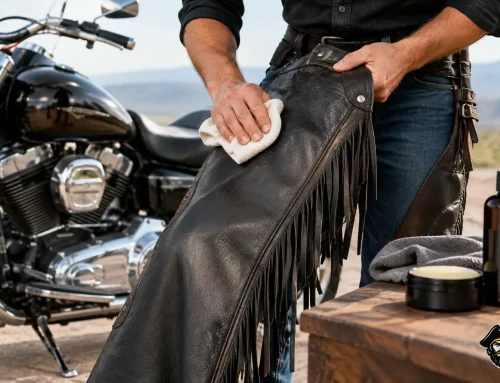
Keep leather conditioned with a product made for riding gear, but do not soak it in heavy oils that make it overly soft. The goal is durable, flexible leather, not a loose shoe that has lost its support. Replace worn laces immediately and keep them tucked away from the shifter, brake pedal, and foot pegs.
Your feet are what hold the bike steady at every stop and get you moving when the road calls. Choose footwear with enough protection for the miles ahead, then wear it every time you throw a leg over the saddle.