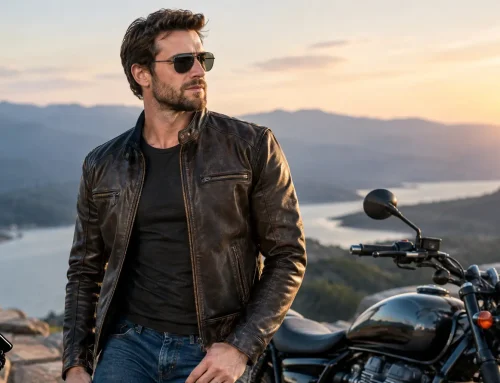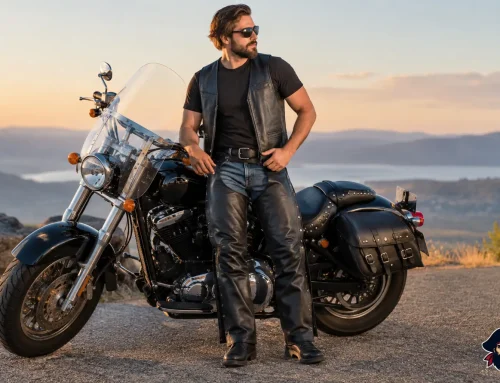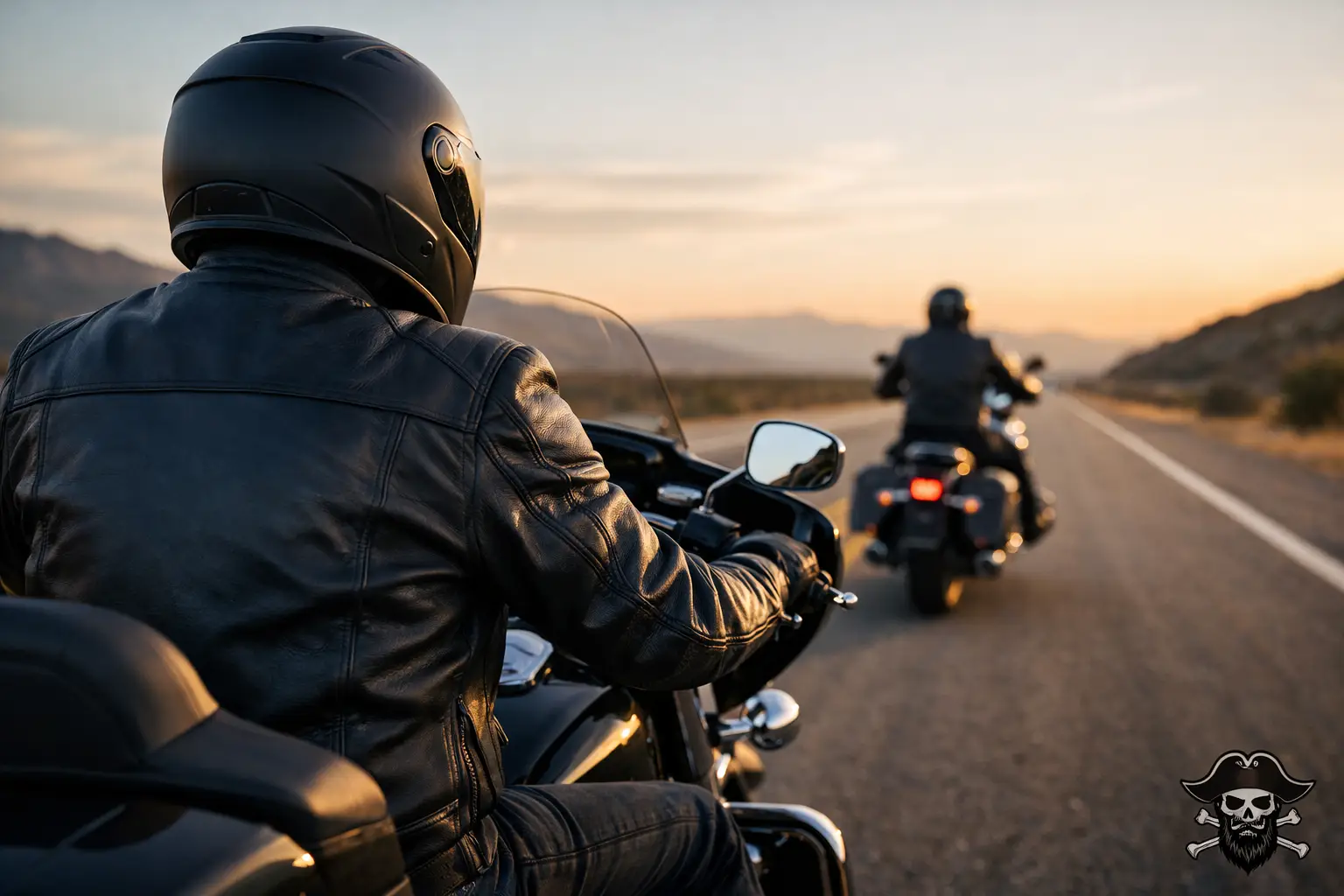
A leather jacket earns its place the first time the temperature drops, the road throws back grit, and you still want to look like you belong on the bike. For cruiser riders, leather jackets are not a costume or an afterthought. They are hard-working riding gear that brings protection, comfort, and unmistakable road presence together in one piece.
The right jacket can stay in your lineup for years. The wrong one gets hung in the closet after a few rides because it binds at the shoulders, catches too much wind, or simply does not feel built for the miles. Before you buy, know what separates a real riding leather from a fashion piece with a zipper.
What Makes Leather Jackets Road-Ready
A motorcycle leather jacket has a job to do beyond looking tough. It needs to stand up to wind, changing weather, vibration, and the constant movement of riding. Quality leather offers natural abrasion resistance, blocks a surprising amount of wind, and breaks in over time to match the rider wearing it.
That break-in period matters. A good leather jacket may feel firm when it is new, especially in heavier hides. After consistent wear, it becomes more personal: the sleeves flex easier, the body settles, and the jacket starts to carry the marks of your own miles. That is a benefit no synthetic fashion jacket can copy.
Construction is where the difference shows. Look for substantial leather, reinforced stitching, dependable hardware, and seams placed where they will not fight your riding position. A weak zipper or thin stitching can ruin an otherwise good jacket fast. Strong closures, secure pockets, and a collar that stays put in the wind are not small details when you are moving down the highway.
For riders who want added impact coverage, many motorcycle jackets are built with pockets for armor or include protective padding. Leather provides a strong outer layer, while armor can add another level of coverage at key impact areas. What you need depends on how and where you ride, but a jacket designed with that option gives you more control over your setup.
Choose the Leather for Your Riding Style
Not all leather feels or performs the same. The best choice comes down to the ride you take, the weather you deal with, and how you want the jacket to wear over time.
Cowhide is a favorite for a reason. It is tough, substantial, and well suited to riders who want a traditional heavyweight leather jacket. It handles the road well and develops a deep, broken-in character with use. For long highway runs, cooler weather, and riders who want that classic biker feel, cowhide is hard to beat.
Buffalo leather often has a more pronounced grain and can offer a strong, rugged feel. It is a solid choice for riders who want a jacket with bold texture and durable everyday performance. Lambskin is softer and lighter, with a smoother finish. It can be a good fit for casual riding or for someone who values immediate comfort, though it generally will not have the same heavy-duty feel as a thick cowhide jacket.
There is no single winner for every rider. A heavyweight jacket makes sense for cold early-morning runs and open-road riding. A lighter leather can make more sense in warm states, around town, or as a daily layer. Buy for the miles you actually ride, not just the weather you wish you had.
Weight, Warmth, and Ventilation
Heavier leather blocks wind better, but it can feel like a lot during hot summer traffic. That is the trade-off. If you ride through several seasons, features such as zip-out liners, underarm vents, back vents, and adjustable side laces can make one jacket useful across more of the calendar.
A removable liner gives you warmth when the temperature drops without forcing you into a different jacket when the afternoon heats up. Venting helps air move through the jacket while you are in motion. Neither replaces a dedicated hot-weather riding layer in extreme heat, but both can make a leather jacket more practical for real-world use.
Leather Jacket Styles That Work on the Bike
The classic motorcycle jacket is still popular because it works. A traditional asymmetrical zip jacket brings that old-school cruiser attitude, with a broad lapel, offset front closure, and a look that has been part of biker culture for generations. It is a strong choice for riders who want a bold, unmistakable profile.
A straight-zip or café-style jacket has a cleaner shape and a more streamlined front. It works well for riders who prefer less hardware on display but still want real leather and practical features. This style can move easily from the bike to a restaurant, shop, or weekend event without looking overdone.
For touring and long-distance riding, a jacket with a fuller cut, more storage, and adjustable fit points can be the smarter call. Pockets matter when you need a place for keys, wallet, gloves, or sunglasses without digging through a bag at every stop. Adjustable waist tabs or side laces help control airflow and keep the jacket from flapping when the speed comes up.
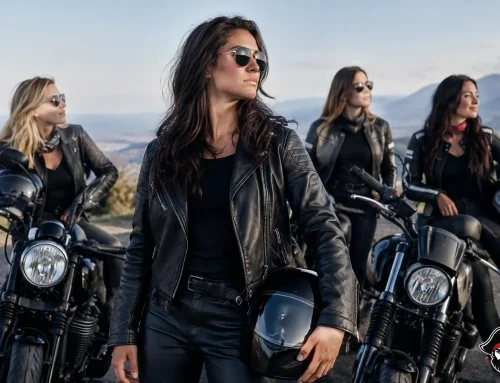
Women riders should not have to settle for a shrunken version of a men’s jacket. A proper women’s leather motorcycle jacket is designed around a different cut while still delivering the tough leather, strong hardware, and riding function the road demands. The same goes for youth riding leathers: gear should fit the rider and the purpose, not just look the part.
Get the Fit Right Before You Ride
A leather jacket should feel secure without locking up your shoulders or pulling hard across your back when you reach for the bars. Sit on your motorcycle, or mimic your riding posture, before deciding a jacket feels right. Arms that seem slightly long while standing can be exactly where they need to be once you are holding the grips.
Pay attention to the shoulders, chest, and sleeve length first. You need enough room to move, layer a riding shirt or light base layer underneath, and operate the bike without restriction. At the same time, a jacket that is too loose can shift in the wind and reduce its usefulness if you need protection.
Do not buy a leather jacket based only on your usual T-shirt size. Product measurements and fit notes matter, especially because leather brands can cut differently. Check the garment details, compare them to a jacket you already wear comfortably, and ask questions before ordering if the fit is unclear. Getting it right the first time means more time riding and less time dealing with returns.
Details That Earn Their Keep
The best riding leathers make the small stuff count. YKK-style quality zippers, snap cuffs, action backs, concealed carry pockets where legal and appropriate, inside storage, and adjustable waist systems all serve a purpose. They help the jacket stay comfortable, usable, and secure when the ride goes longer than planned.
An action back is especially useful for riders. It adds stretch or expansion across the upper back, giving you better reach without making the whole jacket baggy. A bi-swing back can do similar work. These are the kinds of construction choices that separate a jacket built for the riding position from one made only for standing in front of a mirror.
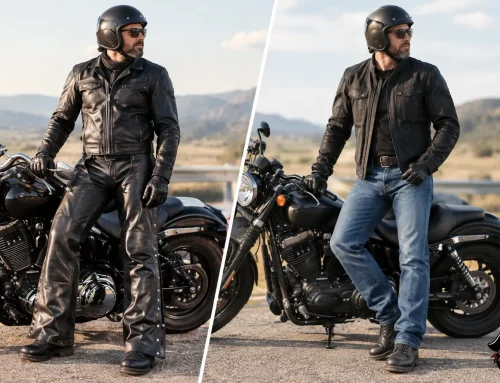
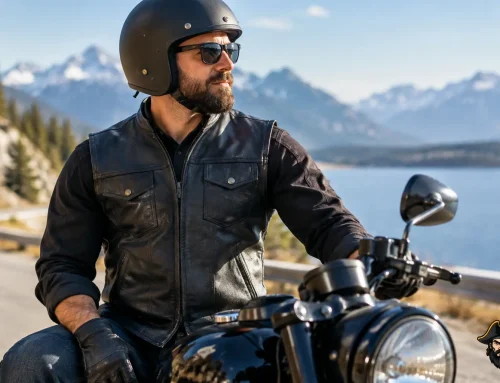
Match the jacket to the rest of your gear, too. A solid pair of motorcycle boots, durable gloves, and a leather vest can build a setup that looks unified without sacrificing function. If you carry gear for day rides or overnighters, motorcycle luggage keeps the weight off your pockets and makes stops easier. Even a rugged toll pass holder can save hassle at the gate while keeping your bars free from scratches.
Blackbeard’s Motorcycle Gear focuses on riding leathers from trusted names such as Milwaukee Leathers and Vance Leathers because riders need more than a good photo and a low price. They need gear that feels right on the bike, holds up to regular use, and delivers the style that made them choose two wheels in the first place.
Keep Your Leather Ready for the Next Run
Leather needs basic care, not babysitting. Wipe off road grime after a wet or dusty ride, let the jacket air dry naturally if it gets soaked, and keep it away from direct high heat. A radiator, hair dryer, or heater can dry out the hide and cause it to stiffen or crack.
Use a leather cleaner made for the job when deeper cleaning is needed, then apply conditioner sparingly to keep the leather from drying out. Too much product can leave a greasy surface and attract dirt, so follow the product directions. Store the jacket on a broad hanger in a cool, dry place instead of folding it under a stack of gear.
A good leather jacket should not stay pristine forever. Scuffs, creases, and softened edges are part of the deal. Keep it clean, keep it conditioned, and let the road give it the character it earned.