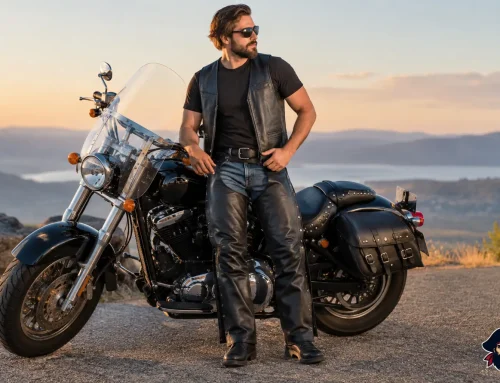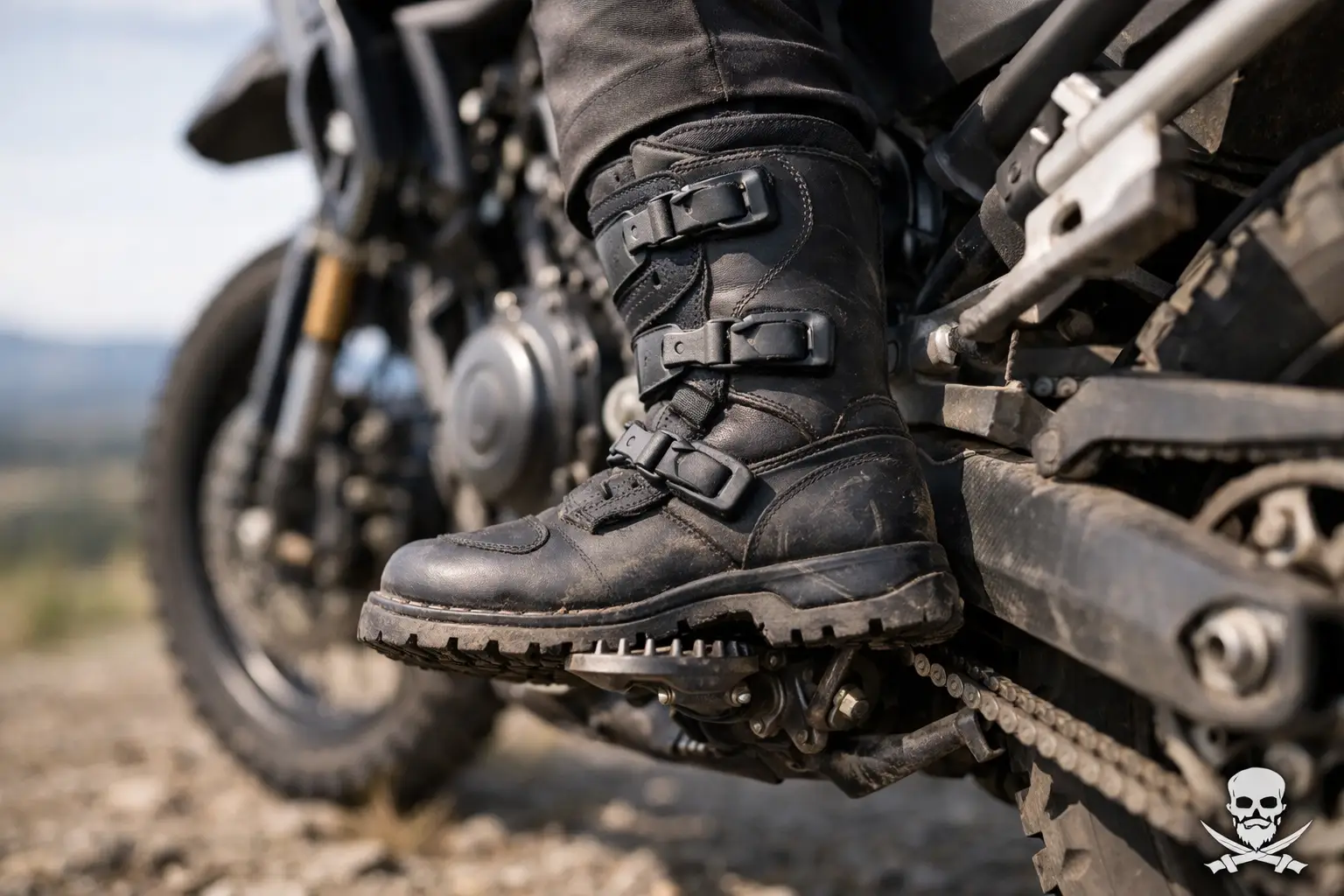
A good ride can turn miserable fast when your footwear is wrong. A soft fashion boot can slip on a wet gas-station floor, catch awkwardly on a peg, or leave your feet aching before the second fuel stop. Motorcycle boots are built for the work: holding the bike steady, taking road grime, handling heat, and looking right when you step off the saddle.
For cruiser, chopper, and Harley-style riders, boots are not an afterthought. They are part of the uniform and part of the equipment. The right pair should feel tough, wear hard, and match the way you actually ride.
What Motorcycle Boots Need to Do
Riding puts demands on footwear that everyday shoes were never designed to handle. Your feet are down at stops, close to hot engine parts, planted on pegs, and exposed to weather, vibration, dust, and oil-slick pavement. That is why purpose-built boots matter.
Start with a sole that gives you dependable traction. A defined tread and firm rubber construction help when you put a foot down on gravel, painted pavement, rain-soaked concrete, or a rough roadside shoulder. A smooth leather fashion sole may look sharp at the bar, but it can be a bad gamble when you are balancing a loaded bike at a stop.
The upper matters just as much. Quality leather holds up to repeated use, resists abrasion better than thin casual materials, and develops character instead of simply falling apart. Full-grain and durable leather constructions are especially suited to riders who expect their gear to take real miles. With basic care, leather can stay in the rotation season after season.
Support is another big factor. Motorcycle boots should hold the ankle with more structure than a sneaker or loose work shoe. That does not mean every rider needs a tall, stiff boot. It means the boot should feel secure, stable, and ready for the weight shifts that come with riding.
Choose Boot Height for Your Riding Style
There is no single boot height that works for everybody. The right choice comes down to your bike, your route, the climate, and whether you want one pair for riding only or a boot that can carry you through the whole day.
Short Riding Boots
Short boots and riding shoes are a strong choice for riders who want a lower-profile look and easier movement off the bike. They are convenient for a quick commute, a run across town, or a casual weekend ride where you will be walking around after parking.
The trade-off is coverage. A shorter boot gives less ankle and lower-leg protection than a taller style, so construction and fit become even more important. Look for a solid sole, a secure closure, and leather that does not feel paper-thin.
Mid-Calf and Tall Boots
Mid-calf boots bring more coverage and a classic biker stance. They pair naturally with leather chaps, jeans, and a riding vest, and they help keep road debris, wind, and weather off more of your lower leg. For long highway days, that extra coverage can make a noticeable difference.
Tall boots are also a practical option when conditions are unpredictable. They do take longer to pull on and may feel warmer in the heat, but riders who put in serious mileage often appreciate the added support and road-ready feel.
Harness, Engineer, and Classic Biker Styles
Harness and engineer-inspired boots have earned their place in biker culture for a reason. They are direct, tough-looking, and built around a no-nonsense silhouette that works with cruisers and custom bikes. A quality leather harness boot does not need flashy logos to make its point.
Style should never be the only reason to buy, but it should not be ignored either. Your gear is part of your rider identity. The best motorcycle boots deliver real function without making you look like you borrowed equipment from another kind of rider.
Leather Construction Makes the Difference
Cheap boots often reveal themselves quickly. The leather creases too easily, the sole feels slick or flimsy, the hardware rattles, and the boot loses its shape after a few rides. Saving a few dollars up front can mean replacing them far sooner than planned.
Quality leather boots cost more material-wise because leather that can take use costs more. The payoff is in the way they break in, mold to your foot, and stay presentable after road time. Scuffs and marks become part of the story, not an automatic reason to throw the boots out.
Pay attention to the areas that take the most punishment: the toe box, heel, sole edge, ankle, and closure system. A reinforced toe is especially useful because it takes repeated contact from the shifter. A substantial heel can help some riders find a more confident position on the pegs, though the best heel height depends on your bike and controls.
Zippers, laces, buckles, and pull-on shafts each have their place. Zippers make getting ready faster, especially when they are protected by a flap or paired with a secure fit. Laces allow more adjustment but should be tucked and secured so nothing can snag. Buckles bring classic attitude and can add adjustability, but they should not interfere with the controls.
Get the Sole Right Before You Buy
A boot can have great leather and still disappoint if the sole is wrong. Look at the bottom like it is a working part of your bike, because it is the part that meets the ground every time you stop.
A lugged rubber sole generally offers more grip and a more rugged feel. It suits riders who encounter uneven pavement, gravel lots, wet weather, and long days on their feet. A flatter sole can work well for some setups and may make it easier to slide a foot into position, but it should still provide enough traction for real-world conditions.
Oil-resistant materials are worth considering for riders who spend time around garages, fuel stops, and parking lots. No sole makes slippery surfaces harmless, so stay alert when you put a foot down. Still, a quality tread gives you a better foundation than a casual shoe made for clean indoor floors.
Flex is a personal call. A very stiff sole can feel stable and protective, while a more flexible sole can make walking easier. If you ride to work, events, or weekend meetups where you will be on your feet, balance matters. The right boot should not make you dread walking from the parking lot to the door.
Comfort Is Built, Not Promised
Leather boots need a break-in period, but pain is not a badge of honor. A new pair may feel firm at first, especially around the ankle and toe box, yet it should not create sharp pressure, numbness, or heel lift that gets worse with use.
Wear new boots around the house on clean flooring before taking them on an all-day ride. Sit on your bike and check how they work with your shifter, brake pedal, floorboards, and pegs. Make sure the toe box has enough room to operate the controls without feeling clumsy. If the boot is too bulky for your setup, the toughest construction in the world will not fix that.
Socks also change the feel. Many riders use a medium-weight riding or work sock for comfort and moisture control. Try boots with the kind of socks you will actually wear on the road, not the thinnest pair you could find in the drawer.
Keep Your Boots Ready for the Next Ride
Leather takes care of riders who take care of leather. Wipe off dirt, bugs, and road grime after a dirty ride instead of letting it sit. Let wet boots dry naturally away from direct heat, which can dry out and stiffen the leather. Once they are clean and dry, use a leather conditioner suited to the finish.
Check the soles and stitching regularly. Catching worn tread, loose hardware, or a separating sole early gives you a chance to address the issue before it becomes a roadside problem. This is simple gear maintenance, right alongside checking your gloves, jacket, and luggage before a long run.
At Blackbeard’s Motorcycle Gear, the focus stays on leather riding gear that earns its space in your lineup. A solid pair of boots works naturally with a leather jacket, vest, gloves, and the rest of the gear that keeps you comfortable and looking like you belong on the road.
Buy for the Miles You Actually Ride
Do not buy motorcycle boots only for the photo. Buy them for the wet pavement at the gas pump, the long stretch of highway, the hot day at a bike event, and the walk back to your machine after dark. Consider your bike controls, the weather you ride in, how much walking you do, and the level of coverage you want.
Then choose the pair that feels right when you put your feet on the pegs. The boots that stay in your regular rotation are not always the loudest pair on the shelf. They are the ones you trust every time the kickstand comes up.