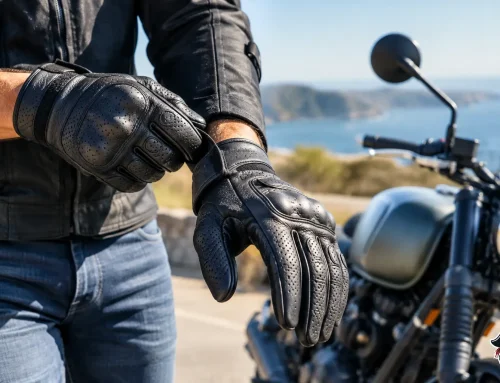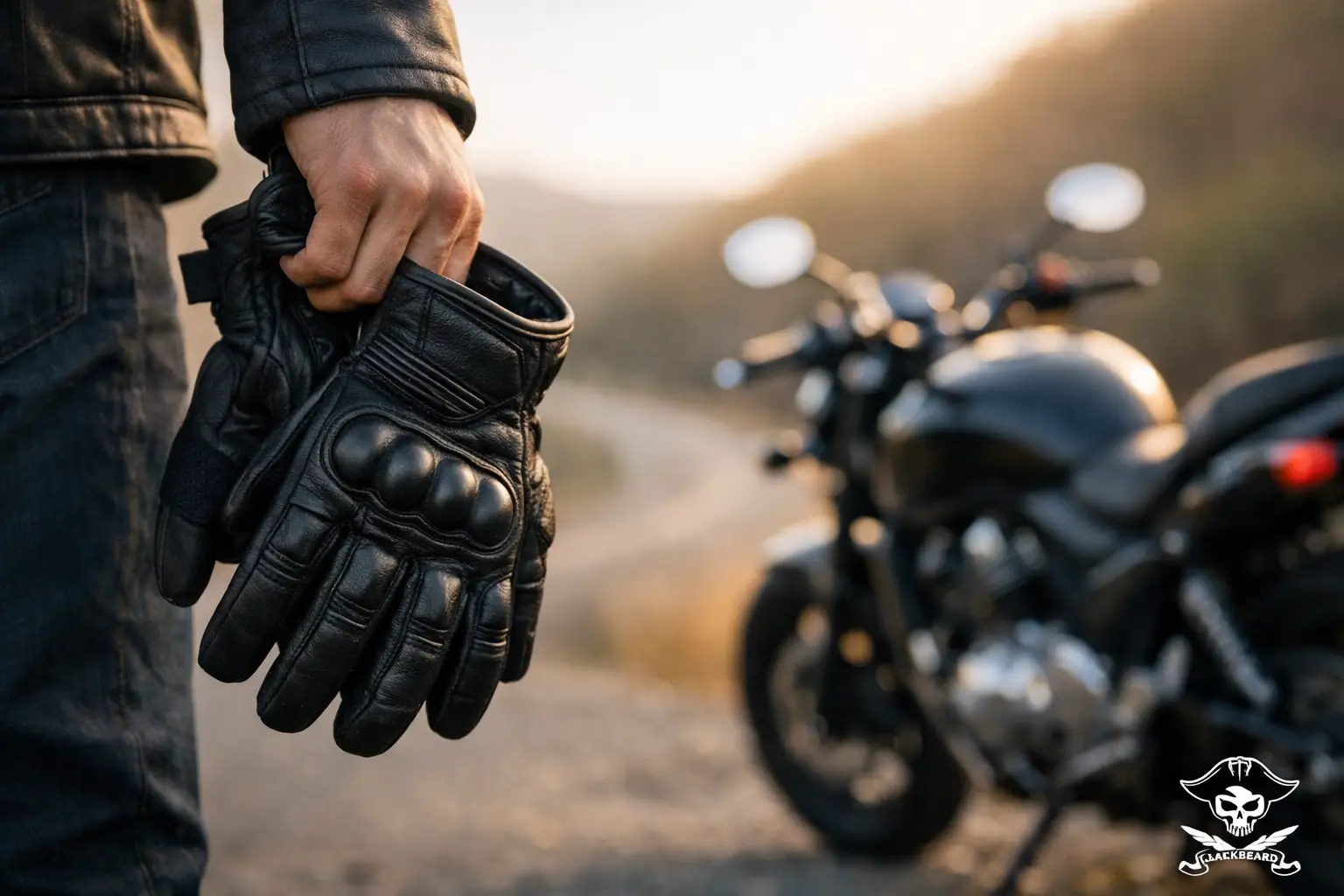
A hard pull at a stoplight, a cold morning ride, a surprise patch of gravel – your hands are working the whole time. That is why riders keep asking, are leather motorcycle gloves worth it when cheaper fabric gloves and bare-handed riding are both options? For most cruiser, chopper, and touring riders, the answer is yes. A well-built leather glove gives you a better grip, more protection where it counts, and the kind of long-haul comfort that gets better after it breaks in.
Leather gloves are not magic. The wrong pair can feel stiff, get hot in heavy summer traffic, or soak through in a downpour. But if you choose the right weight and construction for the way you ride, leather is still one of the toughest, best-looking materials you can put between your hands and the road.
Why Leather Gloves Earn Their Keep
Your hands are usually among the first things you put out when you lose balance. No glove can guarantee you will walk away unhurt, but a proper riding glove adds a serious layer between your skin and rough pavement, hot grips, flying debris, and the daily punishment of the handlebars.
Leather has a natural advantage over thin casual gloves because it resists abrasion and tearing far better. Quality cowhide is especially popular for motorcycle gloves because it balances strength with a feel that does not turn the controls into a guessing game. Goatskin is another strong option, often chosen for its softer feel and flexibility. Either can be a solid choice when the leather is substantial and the seams are built for riding.
There is also the grip factor. Leather settles into your hand over time. After a few rides, a good pair starts to feel less like gear and more like part of your controls. That matters when you are feathering the clutch in traffic, working the throttle through a long curve, or riding through vibration all day.
Then there is the simple fact that leather belongs on a bike. A black leather jacket, dependable boots, and gloves with a clean, tough profile look right on a cruiser without sacrificing function. Style alone should never be the reason to buy safety gear, but riders should not have to choose between looking the part and being prepared for the ride.
Are Leather Motorcycle Gloves Worth It for Every Ride?
It depends on the ride, the weather, and the glove itself. For regular street riding, weekend runs, highway miles, and cooler weather, leather gloves are one of the smartest gear purchases you can make. They provide useful protection without the bulk of a full race glove, and they work naturally with the laid-back, hard-riding style many American riders want.
For extreme summer heat, a heavily lined leather glove may not be your best bet. Ventilated leather or a lighter unlined pair makes more sense when the pavement is cooking. For repeated rain riding, untreated leather will absorb water and can take time to dry. A waterproof glove may be the better dedicated option if wet-weather miles are part of your routine.
That does not make leather a bad buy. It means one pair does not have to do every job. Many experienced riders keep a lighter leather pair for warm, dry days and an insulated or waterproof pair for colder, wetter conditions. If you only want one dependable pair, look for leather with a comfortable lining, solid wrist coverage, and enough flexibility to operate every control without fighting the material.
What Separates Riding Gloves From Fashion Gloves
Not every leather glove is motorcycle gear. A fashion glove may look sharp but still leave weak seams, exposed wrists, and thin palms between you and the pavement. Real riding gloves are designed around the points that take abuse.
Start with the palm. This area sees constant friction from grips and takes a beating in a slide. Reinforced palm panels, double leather, or strategically placed padding are worthwhile features. They add durability without turning the glove into a bulky mess.
Next, inspect the stitching. Strong gloves use durable stitching and construction that does not leave vulnerable seams hanging out where they can scrape against the road. Loose threads, uneven seams, and paper-thin leather are warning signs. A bargain is not a bargain if the glove starts coming apart after a few rides.
Wrist retention matters too. A glove that can slide off is not doing its job. Look for a secure cuff, adjustable closure, or a snug design that stays planted when you move your hands. Short-cuff gloves are easy to wear with a jacket or vest, while gauntlet-style cuffs provide more coverage and help seal out wind on colder runs.
Knuckle protection is a personal call based on your riding style. Riders who want a clean traditional look may prefer plain leather knuckles. Others want padded or armored knuckles for extra impact protection. Neither choice is automatically better, but the glove should fit your real riding, not just a product photo.
The Cost Question: Cheap Gloves vs. Good Leather
A cheap pair of gloves can get you through a short ride. The problem shows up after repeated miles. Thin materials wear at the palm, cheap closures quit holding, and poor fit creates hot spots that make you want to take the gloves off. That is a bad deal when your hands are exposed to wind, vibration, bugs, road grit, and potential impact.
Good leather gloves cost more upfront because quality hides, reinforced panels, better stitching, and thoughtful construction cost more to produce. The payoff is longer service life and better day-to-day performance. A broken-in leather pair that still grips well and protects your hands is worth more than replacing disposable gloves every season.
You do not need to chase the most expensive pair on the rack. Spend for material quality and construction first. Extra features should serve a purpose. If you ride in cold weather, insulation earns its price. If you use a phone for navigation at fuel stops, touchscreen-compatible fingertips can be useful. If you spend long hours on the highway, padding and a secure cuff may matter more than flashy hardware.
Getting the Best Life From Leather Gloves
Leather rewards basic care. Let wet gloves air-dry naturally away from direct heat. Do not throw them on a radiator, blast them with a hair dryer, or leave them baking on a dash. Fast heat can dry out the hide, stiffen it, and shorten its life.
When the leather starts feeling dry, use a light leather conditioner made for riding gear. Too much product can make gloves greasy and affect grip, so keep it simple. Wipe off dirt and bugs after rides, let the gloves dry, and store them somewhere cool and dry instead of cramming them into a damp saddlebag for weeks.
Break-in takes a little patience. New leather should feel secure, not painful. Wear the gloves on shorter rides first and work the controls normally. They will loosen and shape to your hands with use. If they are painfully tight from the start or bunch badly across the palm, do not expect miles alone to fix a poor fit.
Who Should Buy Leather Motorcycle Gloves?
New riders should put leather gloves near the top of the gear list. They build good habits early and protect the part of your body you use to operate everything. Experienced riders should replace worn gloves before holes, slick palms, or failing closures turn a familiar pair into a liability.
Leather gloves also make a strong gift for the rider who already has the basics. Unlike novelty gear, they get used. Pick a versatile black pair with practical protection, and it can work with a riding jacket, leather vest, or a simple riding shirt. Blackbeard’s Motorcycle Gear focuses on the kind of road-ready leather that looks tough without skipping the details riders depend on.
The best pair is the one you will actually wear every time you roll out. Choose leather that feels right on the grips, stays secure at the wrist, and matches the conditions you ride in. Your hands have enough work to do – give them gear built to handle the miles.