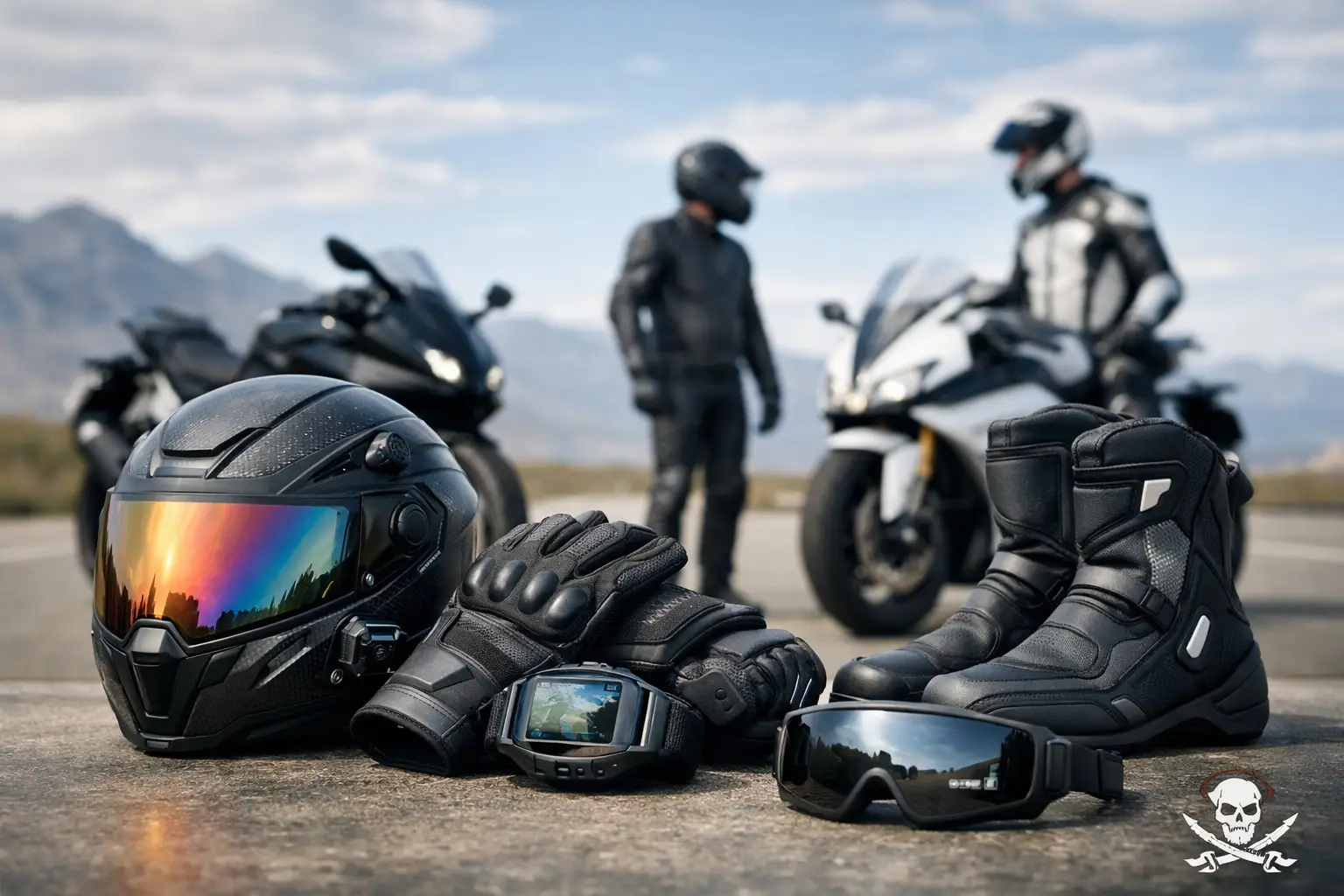
The best motorcycle gear trends 2026 are not about looking like you just stepped out of a catalog. They are about gear that takes highway wind, parking-lot heat, surprise rain, long fuel stops, and miles of vibration without quitting. Riders are buying fewer throwaway pieces and putting more money into leather, boots, bags, gloves, and layers that earn their place every time the kickstand goes up.
That shift fits cruiser and V-twin riders especially well. Road-ready gear still has to look right on the bike, but the strongest trends for 2026 put practical comfort, hard-wearing materials, and personal style in the same lane.
Motorcycle Gear Trends 2026 Start With Better Leather
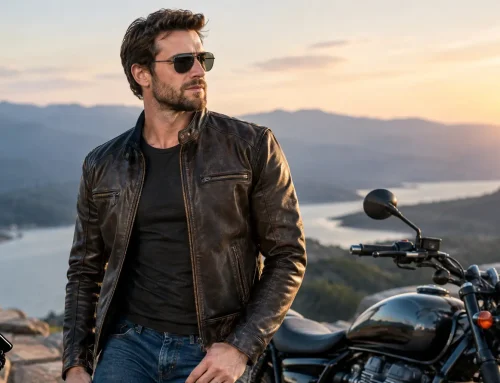
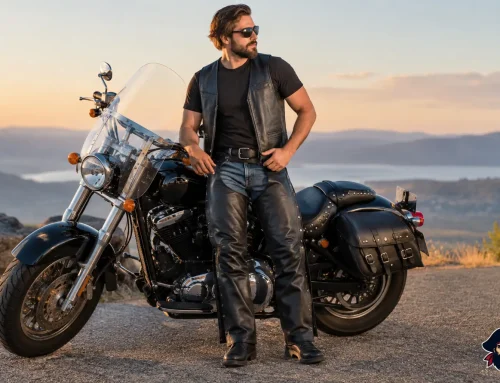
Leather is not fading out. Cheap, thin leather that looks tired after one season is. Riders are moving toward substantial leather jackets and vests with a clean cut, solid hardware, and enough room to wear over a riding shirt or base layer.
The appeal is simple: quality leather develops character instead of falling apart. A good jacket breaks in around the rider, takes on its own marks, and stays part of the uniform for years. Black leather remains the standard for a reason, but brown, distressed, and vintage-finish options are gaining ground with riders who want a worn-in look without waiting a decade to get it.
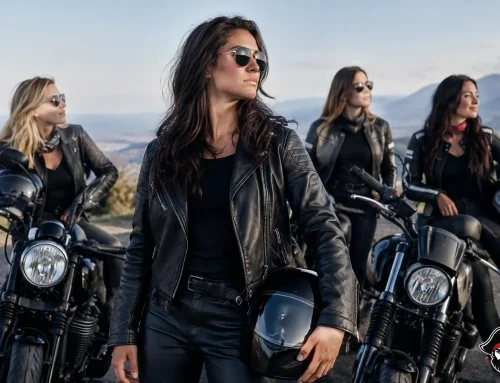
Expect to see more attention on the details that make a leather piece useful on the road. Riders want secure zip pockets, inside storage for a phone and wallet, adjustable side laces or waist tabs, dependable front closures, and collars that do not slap their neck at speed. A vest should sit clean over a tee but still handle a hoodie when the temperature drops. A jacket should look tough off the bike and work hard on it.
There is a trade-off. Heavy leather offers the traditional feel and lasting strength many riders want, but it can run warm in Southern summer traffic. Lighter leather or a riding shirt can make more sense for hot-weather runs. The move is not to own one piece that does everything. It is to build a rotation that covers the way you actually ride.
Vests Are Becoming More Personal
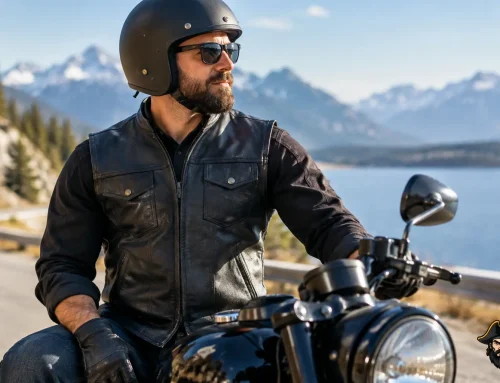
The leather vest remains a rider staple, but 2026 style is less uniform. Riders are choosing club-style cuts, side-lace vests, denim-and-leather combinations, and cleaner panels that leave room for patches. The vest is still about identity, but it also has to carry essentials and layer without bunching up.
For new riders, a vest is an easy first investment because it works across more seasons than a heavy jacket. For experienced riders, it is often the piece that gets replaced with something better built, better organized, and more personal.
Boots That Work After You Park
Motorcycle boots are getting less flashy and more capable. The trend is toward boots with solid soles, real ankle support, dependable closures, and a profile that does not look out of place when you walk into a diner, shop, or event.
That does not mean riders are giving up classic biker style. Harness boots, lace-up engineer styles, and black leather riding boots are still front and center. What is changing is the expectation that a boot has to work beyond the photo. A weak sole, loose fit around the ankle, or slick tread gets old fast when you are balancing a loaded bike on gravel or standing at a fuel pump in the rain.
Look for durable leather uppers, oil-resistant or grippy outsoles, reinforced toe areas, and closures that stay put. Side zippers remain popular because they make daily use easier, while lace-up designs give riders more adjustment and a traditional work-boot look. The right choice depends on your bike and routine. A heavyweight boot suits long rides and cruisers; a lighter riding shoe may be the better call for short city runs and daily errands.
One rule holds up across every style: buy footwear built for the pegs, not just the pavement. Your feet are working the whole ride.
Gloves Are Finally Getting Treated Like Daily Gear
Gloves used to be the item riders bought last, usually after the weather forced the issue. In 2026, they are becoming a core part of the setup. Riders are paying closer attention to grip, palm durability, cuff style, and how a glove feels after hours on the bars.
Leather gloves lead the trend because they offer the right mix of classic biker look and real-world toughness. Short-cuff gloves are a strong choice for warm rides and quick trips. Gauntlet-style gloves bring more coverage when temperatures fall or wind picks up. Perforated leather helps in hot weather, while lined gloves earn their keep during shoulder-season rides.
The best glove is not always the thickest one. Too much bulk can make controls feel clumsy, especially when you are working signals, zippers, a phone mount, or a toll pass. Look for a secure wrist closure and palms that will not slide around once they have seen some miles. Keep a second pair in the bag if your riding season stretches through changing weather.
Smart Storage Is Replacing Pocket Overload
Nobody wants to ride with keys digging into a thigh, a phone half-hanging from a pocket, and a wallet pushing against a leather jacket zipper. Motorcycle luggage in 2026 is getting more purpose-built, even among riders who do not want a touring-bike look.
Saddlebags, sissy bar bags, fork bags, tool bags, and compact luggage are all gaining ground because riders are using their bikes for more than Sunday runs. A bag has to hold rain gear, gloves, a bottle of water, basic tools, and whatever the day turns into. The right bag keeps that load secure without turning the bike into a rolling storage unit.
Leather luggage is especially strong for cruiser riders because it matches the machine instead of fighting its style. The best choices use durable straps or mounting systems, sturdy buckles, and shapes that stay stable at speed. Smaller bags work for day rides. Larger sissy bar bags make sense for overnights, rallies, and trips where packing light still means packing smart.
Convenience gear is part of this trend too. A rugged motorcycle toll pass holder saves the hassle of fumbling at toll plazas and keeps a pass accessible without scratching up the bars. It is a small upgrade, but those are often the pieces riders appreciate every single ride. Blackbeard’s Motorcycle Gear built its proprietary toll pass holder around that exact job: tough, easy to use, and bar-friendly.
Layering Beats One Heavy Jacket
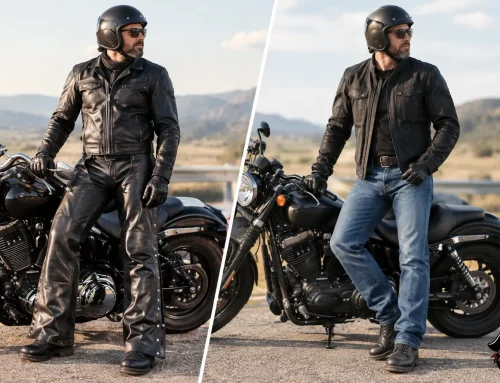
All-weather riding is driving a more practical approach to apparel. Instead of expecting one heavyweight jacket to handle every month, riders are stacking gear with a purpose. A leather vest over a riding shirt works for warm days. Add a hoodie or thermal layer underneath a leather jacket when the weather turns. Head and neck wear fills the gaps when wind and cold find their way past the collar.
This is where fit and mobility matter. You need room to reach the bars, turn your head, work the controls, and move around at stops without feeling wrapped up like a package. Riders are also choosing pieces that can come off and stow easily once the afternoon warms up.
Color is staying grounded. Black remains the backbone, with brown leather, charcoal, olive, and subdued graphics adding variety. Loud colors still have their place, but the bigger trend is gear that looks intentional from the gas station to the destination without chasing whatever is popular for one season.
Buy for Your Ride, Not the Hype
Trend talk only helps if it leads to better gear decisions. Before adding another jacket, vest, or bag to the cart, think about the miles you ride most. A rider doing weekend bar hops needs a different setup than someone logging interstate miles, commuting through rain, or hauling gear to rallies.
Start with the pieces that take the most abuse: boots, gloves, and a dependable leather jacket or vest. Then build outward with luggage, head and neck wear, and weather layers. Good leather is worth buying with intention because it can stay in your rotation for years. Cheap gear is only a bargain until it cracks, stretches out, or fails when you need it.
The strongest look for 2026 will not come from copying another rider. It will come from gear that fits your bike, your miles, and your own road story. Put on what works, load what you need, and leave the rest behind.