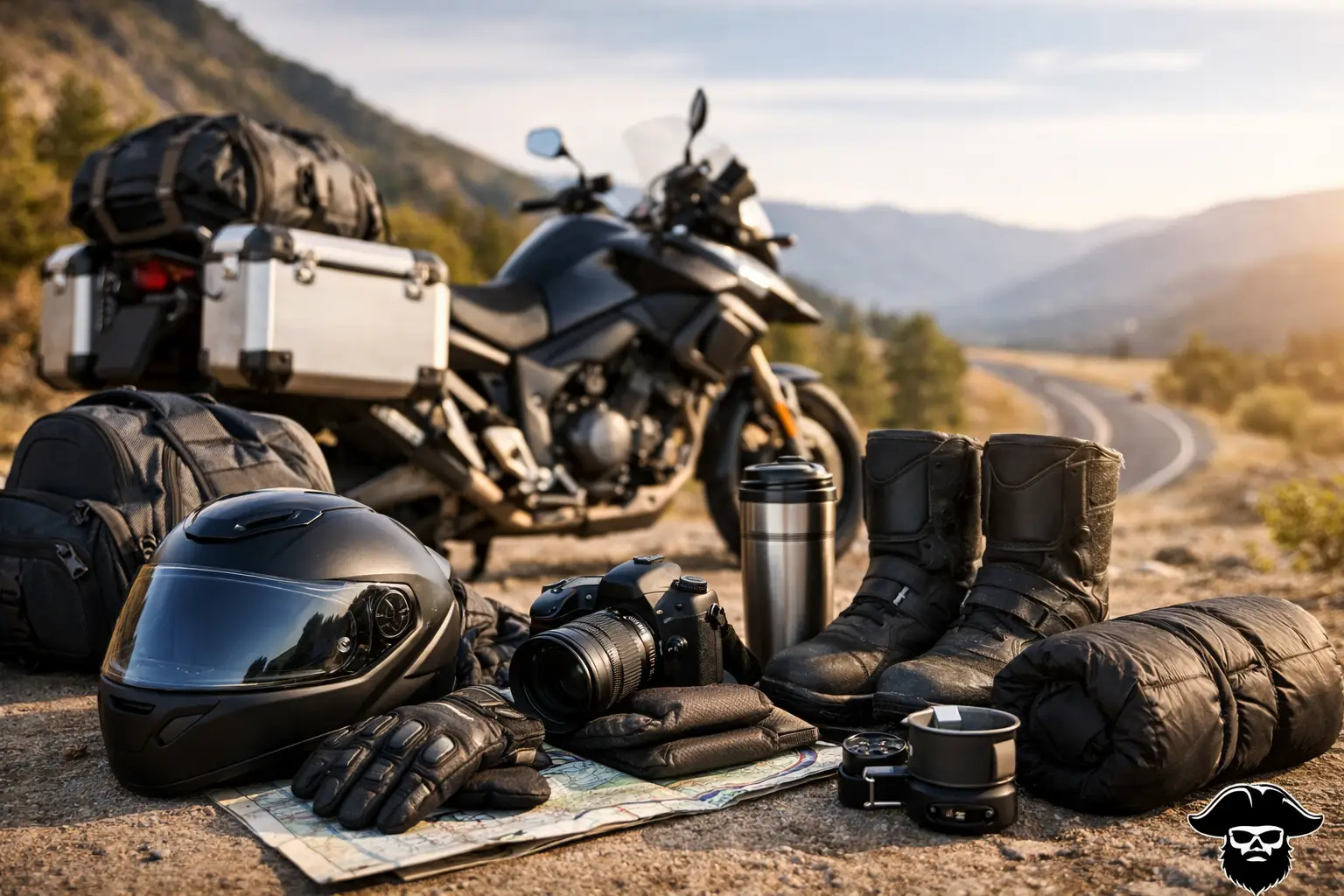
A road trip can turn from a clean morning run into cold rain, highway grit, and a late-night fuel stop before you cross the next county line. That is why a motorcycle road trip gear guide should start with the gear touching your body and the luggage bolted to your bike, not with a pile of random extras. Pack for the miles you will actually ride, protect yourself from the weather you may hit, and leave room for the things that make life on the road easier.
For cruiser, chopper, and Harley-style riders, the right setup should work hard without killing your look. Quality leather, dependable boots, secure gloves, and luggage that stays put are not accessories for the photo stop. They are what keep you comfortable and focused when the day runs long.
Build Your Motorcycle Road Trip Gear Guide Around Layers
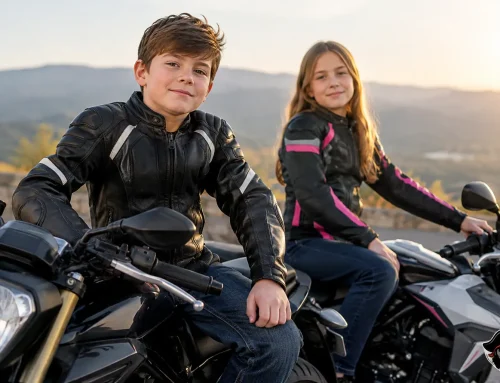
A leather riding jacket is the backbone of a serious road-trip setup. It blocks wind better than a thin fashion jacket, gives you a tougher outer layer around the shoulders and arms, and carries the kind of road-ready style that belongs on a bike. A quality leather jacket also earns its keep year after year when it is maintained properly.
Pick the jacket for how and when you ride. A heavier leather jacket makes sense for cool-weather trips, high-speed highway miles, and early-season runs. A leather vest gives you more airflow and freedom when the weather is hot, while still delivering the rider identity and storage you want. Many riders bring both: the jacket for the first cold hour of the day and the vest for the warm stretch after lunch.
Underneath, keep it simple. A riding shirt or lightweight long-sleeve layer helps manage sun exposure and gives you an easy layer to remove when temperatures climb. For a multi-day trip, bring enough base layers to stay dry and comfortable, but do not pack your whole closet. Two or three dependable layers that work together beat a stuffed bag full of pieces you will never wear.
Leather does have a trade-off. It takes more space than a flimsy shell, and a heavy jacket can feel like too much on a blazing day. But the answer is not to leave your best gear behind. Choose the leather weight and layering plan that fit the forecast, your route, and how much highway time is on the schedule.
Bring Gloves for Grip, Not Just Style
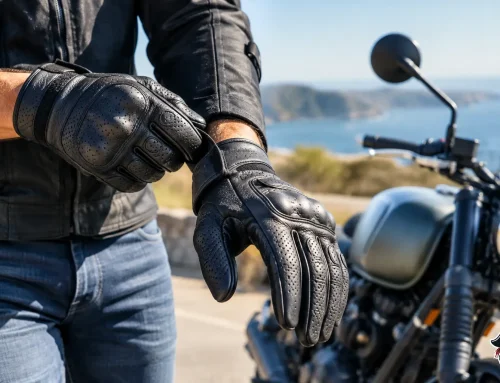
Hands take a beating on a long ride. Wind, vibration, sun, rain, and constant grip pressure can turn a good day sour fast. Road-trip gloves should feel secure at the wrist, allow clean control of the levers, and give you enough protection for the kind of riding you do.
Leather gloves remain a strong choice because they wear in, hold up, and fit the biker look without looking like costume gear. For hot climates, a more breathable pair can make sense. For colder mountain roads or shoulder-season travel, a warmer pair is worth the bag space. If your route crosses major temperature changes, carrying a second pair is practical, not excessive.
Do not wait until the first overnight stop to discover that your gloves rub, bind, or slide on the grips. Wear them on a few longer rides before departure. Gear that feels good for 20 minutes can feel completely different after four hours.
Boots Need to Handle the Ground Too
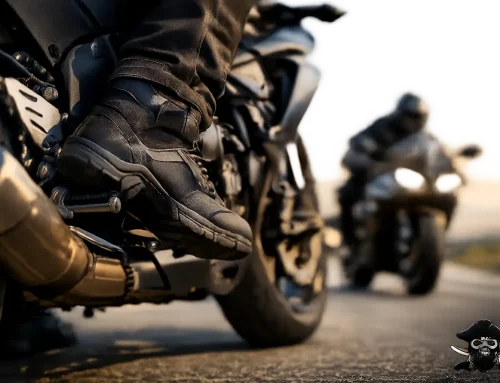
Motorcycle boots do more than finish the outfit. They deal with oil-stained pavement, wet gas-station concrete, gravel pull-offs, uneven campgrounds, and the weight of the bike at every stop. Look for boots with a stable sole, solid ankle coverage, and a build that can take repeated shifting and walking.
A tall leather boot gives more coverage and classic road presence. Riding shoes can be a good call for a warmer, more casual trip with plenty of walking, provided they are made for the job and offer the support you need. The right choice depends on your route. A weekend run with hotel stops is different from a long haul with roadside detours, rain, and rough parking areas.
Break your boots in before the trip. That is non-negotiable. Brand-new boots may look sharp at the departure photo, but blisters do not care how good they look. Wear them around town, ride in them, and make sure your shift pattern feels natural.
Pack Luggage That Stays Secure at Speed
Bad luggage ruins good miles. A loose strap flapping against the bike, a bag that shifts in a corner, or a zipper you cannot access without unloading everything will wear on you quickly. Your motorcycle road trip gear guide needs a luggage plan based on the length of the trip, the bike, and whether you want quick access at fuel stops.
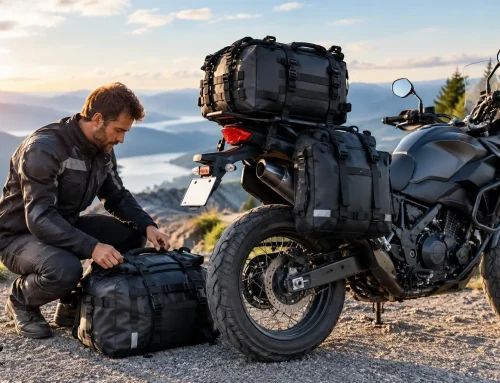
For an overnight or weekend run, a compact motorcycle bag may be enough for clothing, a spare pair of gloves, toiletries, and a few roadside basics. For several days, saddlebags, a larger tail bag, or a combination setup gives you breathing room. The goal is not to carry more stuff. The goal is to carry the right stuff without piling weight high behind the seat.
Keep heavier items low and close to the bike when possible. Put rain layers, gloves, snacks, and other frequent-use items where you can reach them without digging through everything. Roll clothing rather than folding it flat to save space and make your bag easier to organize.
Before leaving, load the bike fully and take a test ride. Check that the bags clear the exhaust, rear wheel, suspension travel, and passenger pegs. Confirm every strap is tight and every loose end is secured. A few minutes in the driveway can prevent a long, expensive day on the shoulder.
For riders who run toll roads, a dedicated toll pass holder is a small upgrade that makes a real difference. Blackbeard’s Motorcycle Toll Pass Holder is built rugged, easy to use, and designed not to scratch your bars. It keeps your pass where it belongs instead of buried in a pocket or taped somewhere it does not belong.
Carry the Small Gear That Saves the Day
There is a line between being prepared and hauling a rolling hardware store. For most road trips, a small, organized pouch with basic roadside items is the smart middle ground. Bring the essentials that match your bike and your route, then skip the clutter.
A practical road kit usually includes a compact tool roll, tire repair supplies, a pressure gauge, zip ties, electrical tape, a small flashlight, and a charging cable or power bank. Add any bike-specific items you know you may need, such as the proper wrench for a common adjustment. Keep this kit separate from your clothes so you can find it fast.
Head and neck wear earns its spot too. A bandana, neck gaiter, or similar layer can cut wind at the collar, manage dust, and help on cold morning starts. Goggles can also be useful for riders who want added eye coverage in changing conditions. These items take almost no room, so there is no reason to be caught without them.
Weather changes deserve their own plan. Check the forecast, but pack for the forecast being wrong. A compact rain layer, dry storage for electronics and documents, and an extra pair of socks can rescue a day that would otherwise end early. If you are riding through high elevations, assume the temperature will drop faster than it did at the starting point.
Dress for the Ride You Have, Not the One You Planned
The best road-trip gear setup is not the biggest or most expensive one. It is the setup you have already worn, tested, and learned to trust. A jacket that fits your riding position, gloves that let you work the controls, boots that feel planted, and luggage that stays locked down give you more freedom than a bag full of unproven gear.
Lay everything out the night before. Put on the jacket, vest, gloves, and boots together. Load the bags and make sure the essentials are easy to reach. Then leave a little room for the unexpected, because the unexpected is usually where the best road stories begin.