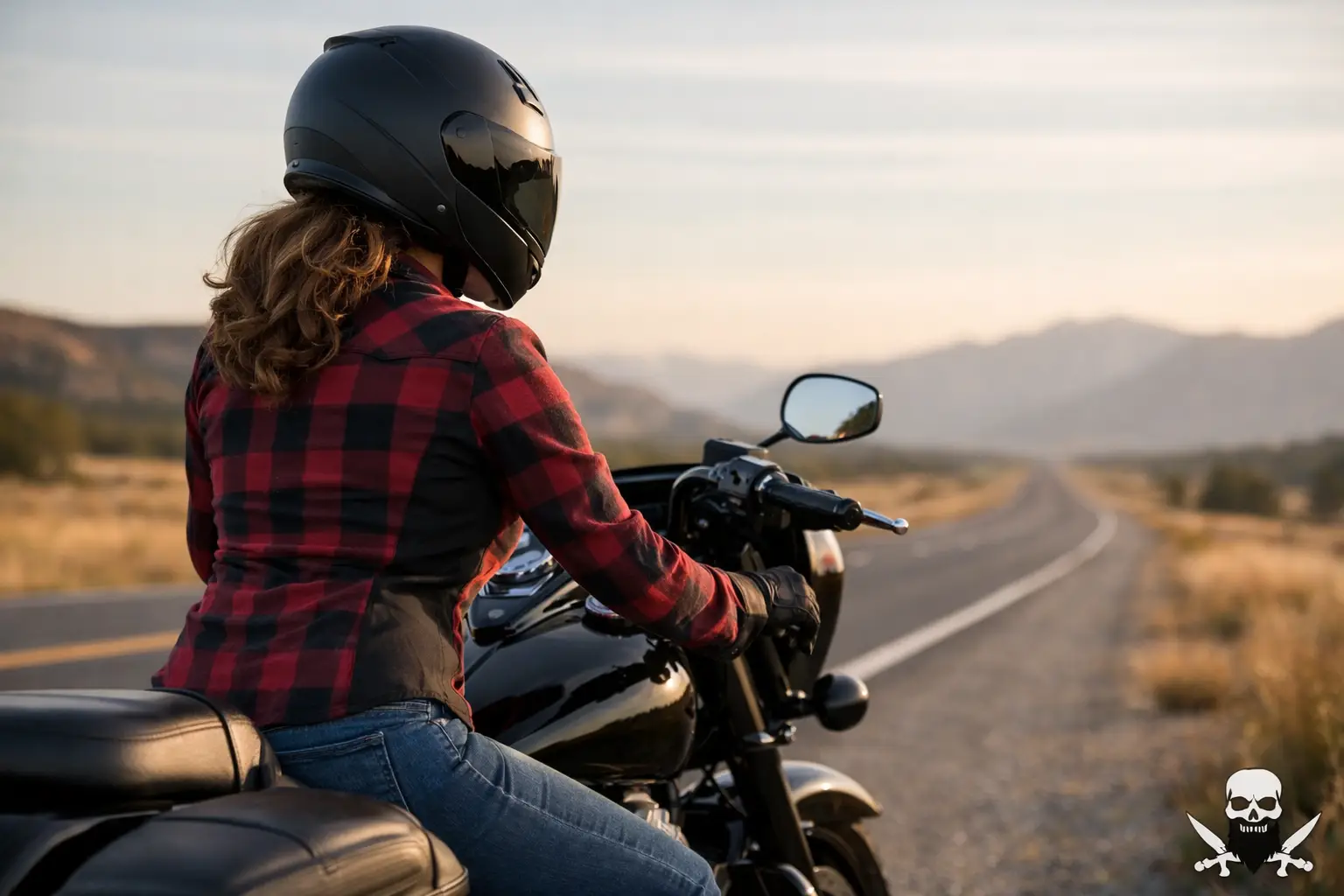
A good riding shirt earns its place before the kickstand goes up. The best women’s riding shirts keep you comfortable at a fuel stop, covered when the wind picks up, and looking like you belong on the bike instead of headed to the gym. That means more than picking a shirt with a cool back graphic. Fabric, fit, closure style, and how it works with your leather gear all matter when the miles stack up.
For cruiser riders, chopper riders, and anyone who wants road-ready gear with real biker attitude, the right shirt can be one of the hardest-working pieces in the closet. Wear it alone on hot days, layer it under a vest, or build it into a colder-weather setup with a quality leather jacket. Here is what separates a shirt that looks good on the rack from one you will reach for every ride.
What Makes the Best Women’s Riding Shirts Different
A riding shirt should move with you without turning loose and sloppy at speed. Standard casual flannels and fashion button-downs may look the part, but they are often made with light fabric, weak stitching, and cuts that ride up when you reach for the bars. A purpose-built women’s riding shirt gives you a more dependable layer with coverage where riders need it.
The first thing to check is the material. Heavy cotton canvas, cotton-blend flannel, denim-weight fabric, and reinforced textile blends bring more structure than a thin everyday shirt. They also stand up better to wind, road grime, and repeated wear. On blazing summer days, lighter materials can be more comfortable, but there is a trade-off: less weight usually means less abrasion resistance and more fabric movement in the wind.
Look at construction next. Strong seams, reinforced shoulders, secure cuffs, and solid snaps or buttons are not flashy details, but they make a difference. Snaps are popular with riders because they are fast to use with gloves and easier to manage at a stop. A full button front can offer a classic look, while a concealed zipper behind a snap placket helps cut down on wind push. The best choice depends on how and where you ride.
Coverage matters, too. A longer back keeps the shirt from creeping up when you are seated. Sleeves that reach the wrist give better coverage and sit cleanly under gloves. A shaped women’s cut is worth paying attention to because it can provide room through the shoulders and chest without leaving a pile of extra fabric around the waist.
Choose a Riding Shirt for Your Riding Season
There is no single shirt that wins every ride. The right pick changes with temperature, ride length, and whether your route is mostly city streets or open highway.
Hot-weather rides
For warm weather, a lightweight riding shirt or breathable flannel can be a solid outer layer for short rides and slow-moving traffic. Choose a shirt that feels substantial enough to hold its shape but does not trap heat. Roll-up sleeve tabs can help at a stop, though sleeves should be secured before you get back on the road.
Do not confuse cool comfort with full protection. A lightweight shirt is a comfort layer first. If your ride includes sustained highway speeds, rough pavement, or long stretches far from home, it makes sense to add a protective layer instead of asking a thin shirt to do a job it was never built to handle.
Cool mornings and changing weather
Midweight flannel riding shirts are the workhorses for unpredictable days. They offer more warmth than a tee, fit easily under a vest, and do not feel overly bulky when the afternoon warms up. A black-and-gray plaid, dark denim look, or solid work-shirt style pairs naturally with leather chaps, riding boots, and a vest without trying too hard.
When cold wind is part of the plan, use the shirt as your middle layer. Start with a moisture-managing base layer, add the riding shirt, then finish with a leather jacket or insulated outer layer. This setup lets you adjust at stops instead of suffering through the whole ride in one heavy piece.
Long highway days
For longer rides, security at speed becomes a bigger deal. Look for a shirt with dependable front closure, snug cuffs, and a collar that does not slap your neck every time the wind catches it. A shirt with zippered or deep chest pockets can also be useful for small essentials, but avoid stuffing pockets with bulky items that press into you while riding.
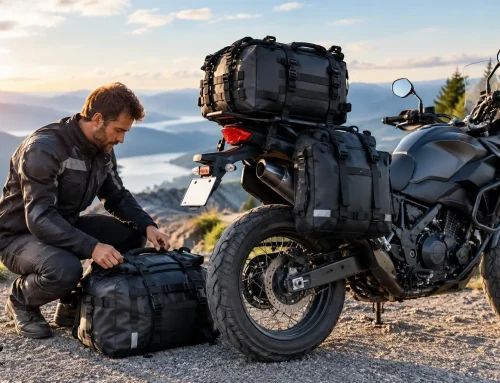
If you carry rain gear, gloves, a tool roll, or an extra layer, put the load in motorcycle luggage rather than loading down your shirt. Your back and shoulders will appreciate it after a few hours in the saddle.
Shirt Styles That Work With Biker Gear
The classic women’s flannel riding shirt is popular for a reason. It has a tough, familiar look and works across seasons. Worn open over a tee at a bike night or buttoned up for the ride home, it is one of the easiest pieces to build around. The key is choosing a riding-focused version with enough length and structure to stay put.
Denim-style riding shirts bring a cleaner, harder edge. Dark washes and black denim work especially well with black leather, silver hardware, and lace-up boots. They can look sharp enough for a stop at a restaurant while still fitting the road. Denim tends to feel heavier than standard flannel, so it may be better for cooler temperatures or early-season riding.
Plaid shirts bring more color without sacrificing rider style. Red and black, blue and black, gray, and muted earth tones all pair well with leather vests and jackets. A loud pattern can be fun, but remember that a riding shirt is often part of a bigger setup. If your vest has patches, your boots have heavy hardware, or your jacket has fringe or studs, a simpler shirt keeps the whole look from getting crowded.
For a cleaner profile, solid black riding shirts are hard to beat. They hide road dust, work with nearly any leather, and look right from a weekend ride to a late-night stop. Black also makes it easier to mix different layers without worrying about colors fighting each other.
Do Not Ignore Fit and Layering Room
The best-looking shirt is not worth much if you cannot reach the bars comfortably. When trying on a women’s riding shirt, think in riding position, not standing-around position. You need room to extend your arms, bend your elbows, and wear the layer underneath or over it as planned.
A shirt that is too tight across the shoulders can pull at the back and restrict movement. One that is too loose can balloon in the wind and bunch under a vest or jacket. The sweet spot is a secure fit with enough room for natural movement. If you plan to wear armor underneath, confirm the shirt has enough space for it without straining snaps, buttons, or seams.
Pay attention to sleeve length. Sleeves that look perfect with your arms at your sides may rise up once you grip the bars. Cuffs should close securely and sit comfortably under gloves. If you wear a watch or bracelet on rides, make sure it does not interfere with the cuff closure.
Your shirt also needs to work with the gear you already own. A snug shirt may be ideal under a leather vest, while a slightly roomier cut can work better under a heavier leather jacket. Riders who rotate between warm afternoons and cold evening returns often get more use from two shirts: one lighter option and one midweight option for layering.
Protection Claims Need a Straight Answer
Some women’s riding shirts are built with reinforced panels, abrasion-resistant fabrics, armor pockets, or protective linings. Those features can add meaningful capability, especially for riders who want a lower-profile alternative to a full jacket on certain days. Still, not every shirt with a biker look is protective gear.
Read the product details closely. If a shirt includes armor pockets, find out whether armor is included or sold separately. If it uses reinforced materials, check where the reinforcement is placed. Shoulders, elbows, and the back are common areas because they are more likely to need coverage in a slide.
A reinforced riding shirt can be a smart choice for warm-weather comfort and casual rides, but it does not automatically replace a quality leather motorcycle jacket. Leather remains a proven road-ready option for riders who want substantial abrasion resistance, wind blocking, and unmistakable biker style. It depends on the conditions, your route, and the level of protection you want for that ride.
Build a Better Riding Setup Around the Shirt
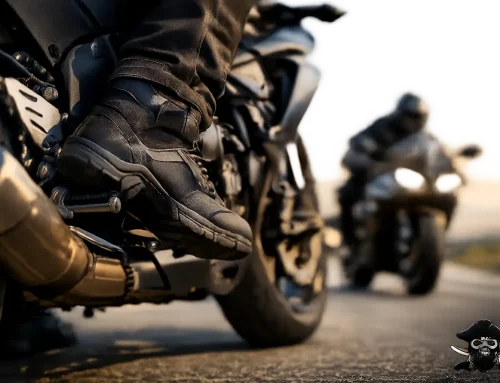
A women’s riding shirt looks strongest when the rest of the gear is built for the same job. Start with footwear that gives you a stable, secure feel at stops. Motorcycle boots with durable soles and ankle coverage are a better match for the road than fashion boots that only look tough.
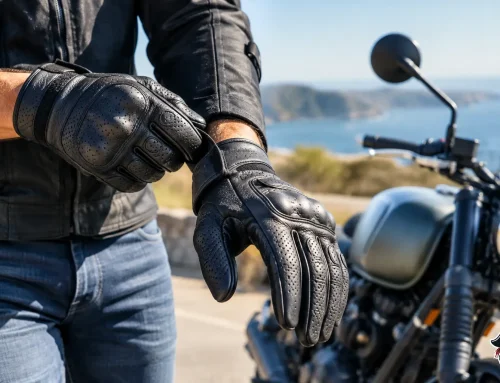
Add gloves that fit the season and provide reliable grip. For storage, use a motorcycle bag or luggage instead of trying to make shirt pockets carry everything. Small essentials can stay close, while heavier gear stays off your body and out of the wind.
A leather vest over a flannel or black riding shirt is a classic combination for good reason. It adds another layer, gives your look more road presence, and lets you keep the shirt comfortable underneath. When the temperature drops, pull on a quality leather jacket and keep the same shirt in the mix. That is how a simple riding shirt becomes part of a setup that works from spring runs to late-season rides.
Blackbeard’s Motorcycle Gear focuses on biker apparel that delivers that balance of tough style and practical wear. Look for gear that matches your riding routine, not just your mirror test.
The shirt you choose should feel ready when the road is not. Pick one with the right weight, secure construction, and enough room to layer, then put it through real miles. The right one will not stay folded in a drawer – it will carry the smell of fuel stops, open air, and another good ride home.