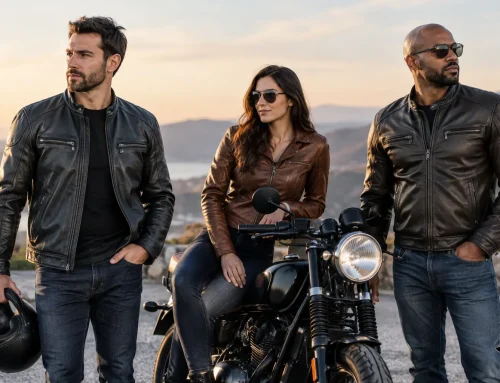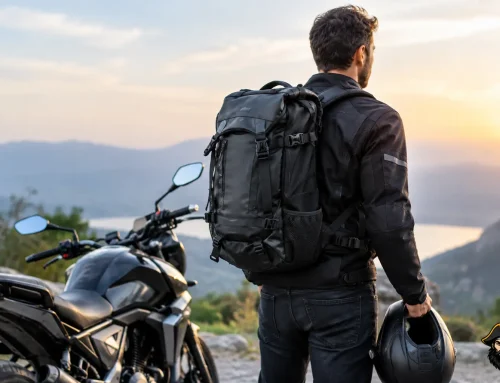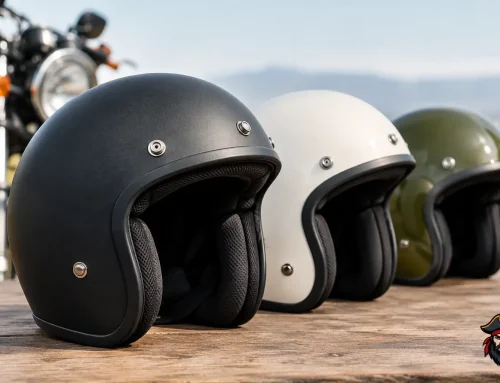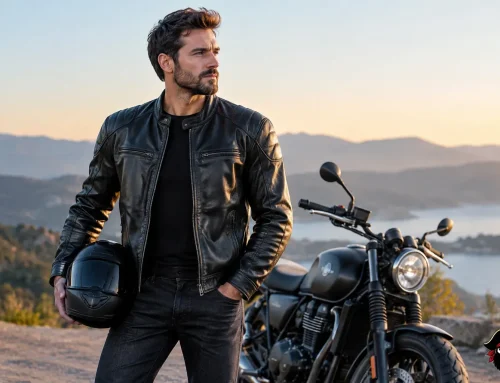
You feel bad boots fast. One stop at a light, one slick patch at a gas station, one hot engine brushing your ankle, and you know exactly why riders ask what boots are good for riding. The right pair is not just about looking the part – it is about grip when the pavement is dirty, support when the bike is heavy, and comfort that still holds up after hours in the saddle.
A lot of riders start with work boots because they already own them. That can work for a short stretch, but it is usually a compromise. Most work boots are built for job sites, not pegs, shifters, road vibration, and the way a motorcycle puts pressure on your feet and ankles. Riding boots are made for that job. They protect better, wear better on the bike, and usually feel more planted when it matters.
What boots are good for riding on a motorcycle?
Good riding boots do four things well. They protect the foot and ankle, they stay stable on the bike, they hold up to road abuse, and they do not fight you every time you stop, shift, or walk inside for coffee.
Start with height. A real motorcycle boot should cover the ankle at a minimum. That extra coverage matters because ankles take a beating in a slide and get exposed to heat, debris, and impact. A low riding shoe can work for some casual around-town use, but if you want stronger coverage and a more traditional biker look, boots are the smarter call.
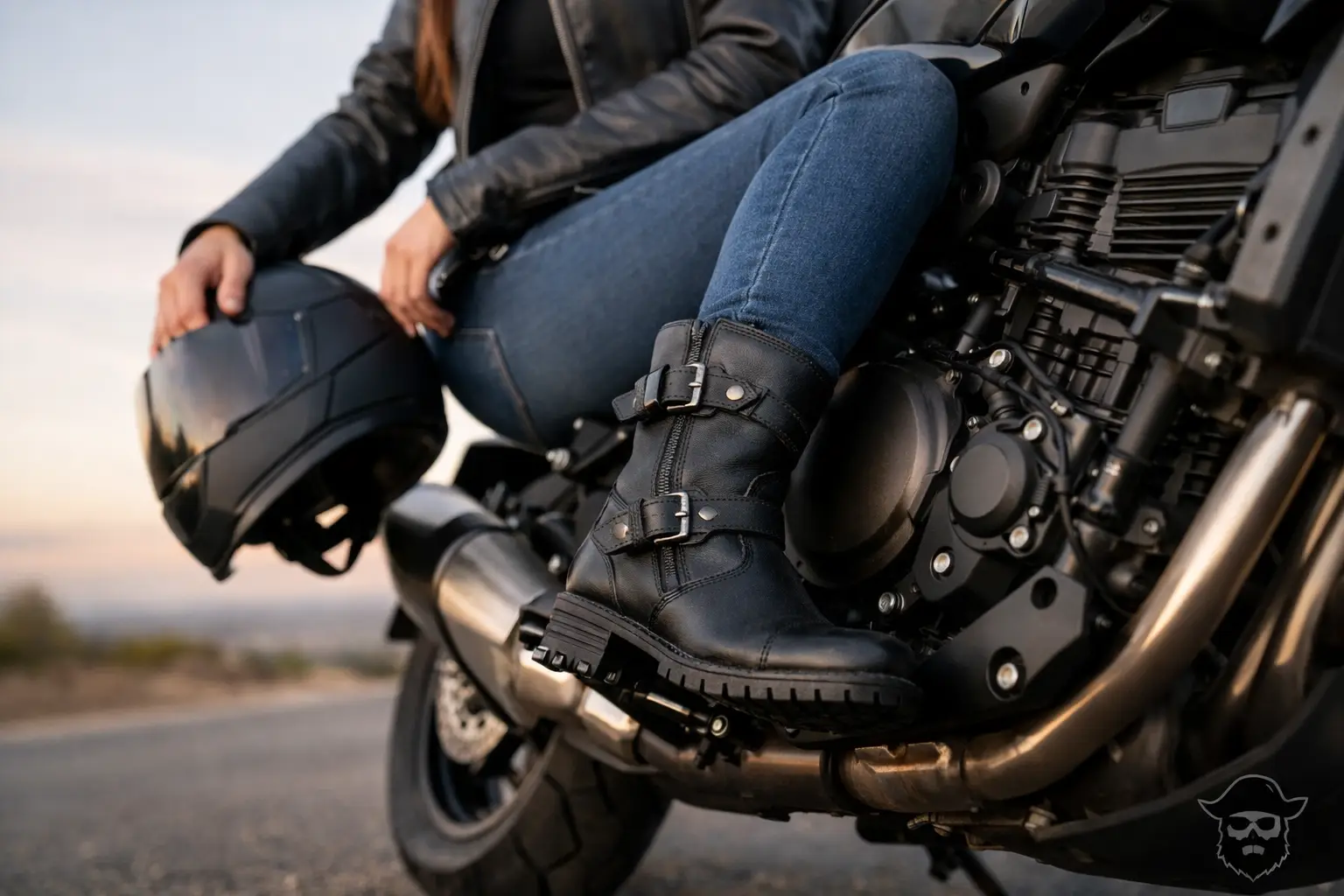
Material matters too. Full-grain leather is still the standard for a reason. It is tough, it breaks in well, and it fits the cruiser and V-twin crowd without looking like track gear. Good leather boots can take heat better than many lightweight materials, and they age with character instead of looking beat after one season. That said, not every leather boot is automatically road-ready. You still need the right build.
The sole should be oil-resistant, slip-resistant, and firm enough to stay steady on pegs. Super soft fashion soles may feel fine in a store, but they can flex too much and wear out fast. A riding sole needs grip at stops without being so chunky that it catches awkwardly on pegs or controls. That balance is where quality motorcycle boots separate themselves from regular fashion footwear.
The features that actually matter
The first thing to look for is ankle support. Not stiff like a ski boot, but supportive enough that your foot does not feel loose or exposed. A solid boot helps keep your lower foot stable when you put weight down at a stop or handle a heavy bike on uneven ground.
Next is toe shape. If you ride a bike with a traditional shifter, a boot with a clean toe profile usually works better than one with an oversized or bulky front end. Too much bulk can make shifting clumsy. On the other hand, a paper-thin fashion toe gives up protection. You want enough structure to handle repeated shifting and road use without making control feel awkward.
Look at the outsole pattern too. Deep hiking-style lugs can grip well when you are walking, but they are not always ideal on pegs. Sometimes they catch or feel less planted than a flatter, purpose-built riding sole. A boot made for motorcycles usually has a tread pattern that splits the difference between traction and control.
Then there is closure. Traditional lace-up boots can look great and offer a dialed-in fit, but loose laces are a problem around moving parts. If you choose lace-up riding boots, make sure they have a way to secure the laces cleanly. Harness boots, engineer boots, zip-side boots, and buckle styles all appeal to different riders, and each has trade-offs. Zip-side boots are convenient. Pull-on engineer styles are classic. Lace-up boots can feel more personalized. The right answer depends on how you ride and what fit you need.
Best types of boots for different riders
Cruiser and Harley-style riders usually do best with classic leather motorcycle boots. Engineer boots, harness boots, and sturdy lace-up leather riding boots all fit the look and the function. They match leather jackets, vests, and chaps without looking overbuilt, and they give the kind of road-ready coverage most street riders actually need.
If you ride mostly around town, a shorter riding boot can make sense if it still covers the ankle and uses motorcycle-specific construction. These are easier to walk in and easier to wear all day, but they do give up some shin coverage compared to taller boots. That is the trade-off.
For longer highway rides, taller boots often win. They block more wind, give a little more leg protection, and usually feel more substantial over time. Many touring riders also prefer a boot with a side zipper because it saves time at every stop.
For riders who want one pair to handle both bike time and everyday wear, a clean leather riding boot with simple styling is often the sweet spot. It looks right with jeans, works with biker gear, and does not scream costume. That matters if you want practical gear that still has some attitude.
What to avoid when choosing riding boots
The biggest mistake is buying for looks alone. A boot can have the right biker style and still miss on grip, support, or build quality. If the sole feels slick, the upper feels thin, or the ankle area collapses too easily, keep looking.
Another bad move is choosing boots that are too loose. On a motorcycle, slop in the heel or ankle is not just annoying. It can make the boot feel unstable when you stop or shift. A proper riding boot should feel secure without crushing your foot.
Steel toe is another depends-on-the-rider issue. Some riders like the extra structure and tough feel. Others find steel toe heavier and less comfortable on long rides. It is not a must-have feature for every street rider. Focus first on overall boot construction, ankle support, sole quality, and leather build.
And skip anything that is basically a fashion boot pretending to be road gear. Decorative buckles and distressed leather do not make a boot protective. If it is built more for barstool style than saddle time, it will show fast.
Leather boots still lead the pack
There is a reason leather motorcycle boots remain the go-to choice for serious street riders. They deliver the right mix of toughness, weather resistance, road style, and long-term value. A well-made leather boot breaks in to your foot, stands up to repeated rides, and pairs naturally with the rest of your gear.
That is especially true if your setup leans classic American biker. Leather jackets, vests, gloves, and boots belong together because they work together. They handle the road, they wear in instead of wearing out, and they keep your look consistent without sacrificing function.
At Blackbeard’s Motorcycle Gear, that balance matters. Riders want gear that is ready for the street and still looks right when the bike is parked. Good leather boots hit both targets.
How to tell if a boot is right before you buy
Read the product details with a hard eye. Look for motorcycle-specific language around oil-resistant soles, ankle coverage, durable leather uppers, and secure closures. If the description only talks about style, that tells you something.
Pay attention to where the boot will contact the bike. The instep, toe, sole, and ankle area all take wear. A boot made for riding should show some thought in those zones. Reinforcement there is a better sign than flashy trim.
It also helps to think about your actual riding habits. If you spend most of your time on weekend cruises, your needs may be different from someone commuting every day. If you ride in hot weather, you may prioritize comfort and breathability. If you ride longer distances, support and all-day wear become more important. The best boot is not the one with the most features. It is the one that fits your bike, your route, and your kind of riding.
So what boots are good for riding?
The short answer is motorcycle boots with real ankle coverage, quality leather construction, slip-resistant soles, secure fit, and a shape that works with your controls. For most cruiser riders, that means a solid leather riding boot, not a basic work boot and definitely not a fashion boot.
Buy for the road first, then the style. The good news is you do not have to give up one to get the other. The best riding boots look mean, wear tough, and do their job every mile. Pick a pair that feels planted, built right, and ready for your kind of ride, and you will notice the difference before you even leave the parking lot.