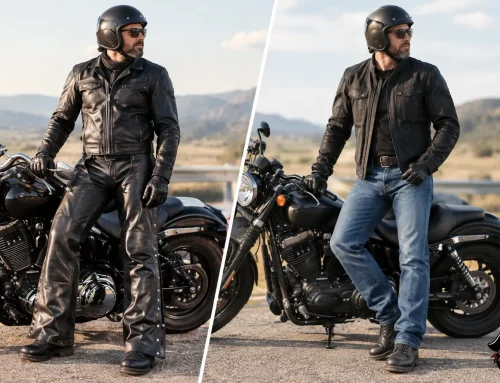
A leather vest says something before you ever speak. On one rider, it is clean, personal, and earned. On another, it can send the wrong message fast. That is why motorcycle vest patch rules matter. They are not just about style. They are about respect, safety, local culture, and knowing what your gear is saying on the road.
If you are building out a vest for the first time, the biggest mistake is treating patches like random decoration. In biker culture, placement and wording can carry meaning. Some patches are purely personal – a flag, a memorial, a military insignia, a riding event, a brand logo. Others can imply club affiliation, rank, territory, or status. That is where riders get sideways without meaning to.
What motorcycle vest patch rules really mean
There is no single national rulebook that covers every patch on every vest. What exists instead is a mix of legal limits, club customs, and common-sense etiquette. The legal side depends on state law and trademark issues. The cultural side depends on where you ride and who you ride around.
That is the part new riders often miss. A patch that seems harmless online can read very differently in a local scene. A three-piece back patch, a territorial rocker, or anything that resembles an outlaw motorcycle club layout can draw attention you do not want. Even if your intent is innocent, biker culture tends to take symbols seriously.
The smart move is simple. Know the difference between personal expression and club-style insignia before you sew anything onto a cut.
The patches that usually cause problems
Most riders are fine with standard decorative patches. A small American flag, POW-MIA patch, route marker, veteran patch, rally souvenir, brand patch, or memorial piece is generally seen for what it is. Problems usually start when a vest copies the structure of formal club colors.
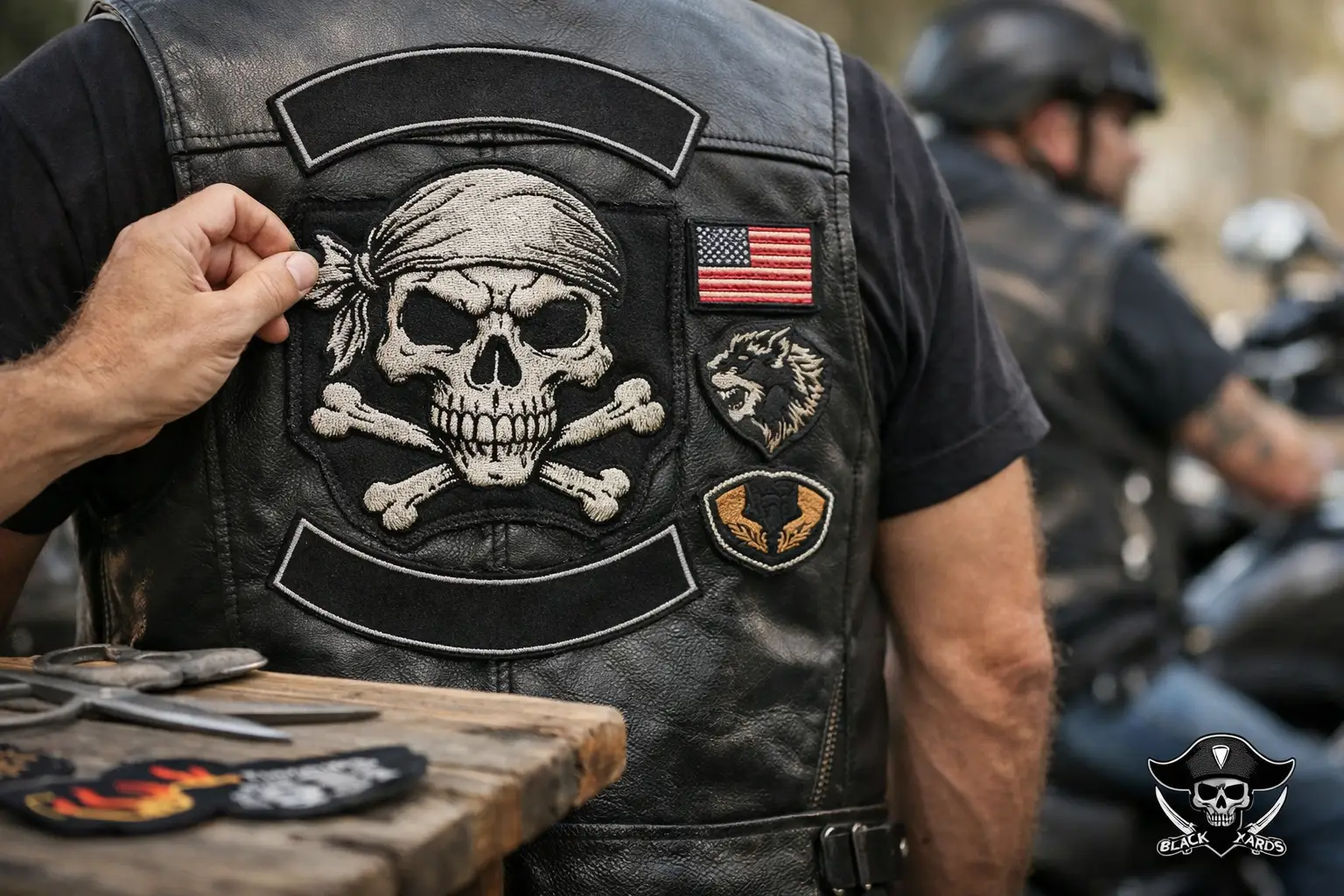
A classic red flag is the three-piece patch setup – top rocker, center emblem, and bottom rocker. In many places, that layout is associated with recognized motorcycle clubs, especially when the bottom rocker names a state, city, county, or region. Add initials on the front, rank titles, or side rockers, and it can look less like a personal vest and more like a claim.
It depends on the area, but some symbols also carry heavy baggage. A diamond-shaped patch with certain wording, patches suggesting law-enforcement status, or anything implying sanctioned club membership can create real friction. The rule is not that you can never wear bold patches. The rule is that copying established club language and structure is a bad bet.
Club patch etiquette is not optional
This is where motorcycle vest patch rules become less about fashion and more about respect. Club patches are earned and controlled by the club. You do not buy them because they look tough. You do not make your own version because you like the design. And you do not wear a patch set that could be mistaken for an active club’s colors.
That matters even if you are not involved in club life. A lot of riders are independent and plan to stay that way. Fine. But if your vest looks like it is making a statement about membership, territory, or rank, other people may respond to that statement whether you meant it or not.
There is also a difference between an RC, MC, and independent riding gear. Some riding clubs use patches with permission and their own internal rules. Motorcycle clubs are usually stricter about what members wear, how patches are placed, and who has the right to display them. Independent riders should avoid anything that blurs that line.
Placement matters more than most riders think
The back panel is where the biggest messages live. A large centered patch on the back is common, but once you add top and bottom rockers around it, you move into club-style territory. Front patches can also mean something. Name tags are usually harmless. Small heritage or military patches are standard. Rank-style patches like President, Vice President, Sergeant at Arms, or Enforcer are a different story if you are not part of an actual organization.
Even the side panels and shoulder areas can change the look. A vest overloaded with aggressive wording, territory references, and hardline slogans can read like posturing instead of personality. Clean beats clutter. A vest with a few meaningful patches often looks stronger than one covered edge to edge.
That is one reason quality leather vests matter. A solid vest gives you room to place patches with intention instead of trying to hide bad layout on cheap material. If you are going to build a vest you wear for years, start with road-ready leather, good stitching, and a cut that hangs right over a riding shirt or jacket.
Legal issues riders should know
Not every patch problem is cultural. Some are legal. Using trademarked logos without permission can get you into trouble, especially if you are selling patched vests or reproducing protected insignia. Impersonation is another issue. Wearing patches that imply official law-enforcement or military status you did not earn can carry legal consequences, not just social blowback.
State laws vary, and local enforcement varies even more. In some places, officers pay closer attention to gang-related identifiers, threatening language, or patches tied to criminal activity. That does not mean a patriotic or biker-style vest is illegal. It means context matters.
If you are unsure, the safest route is to keep your vest personal, not territorial. Memorials, veteran service, charity rides, event patches, and original artwork are usually safer ground than anything that looks official, exclusive, or claimed.
How to build a vest that looks right
A good vest should reflect your miles, your values, and your style without starting unnecessary trouble. For most riders, that means staying away from copied club color layouts and focusing on patches that tell a real story.
Start with purpose. Do you want a clean everyday vest with one standout back patch and a few front details, or a road-worn rally vest built over time? Both can work. What usually does not work is forcing a club look onto a rider who is not in a club.
Keep your back simple. One large custom patch or artwork piece can look sharp without crossing lines. On the front, a name, veteran patch, memorial ribbon, event pin, or understated flag keeps things personal. If you want to honor a region, do it carefully. A patch that says where you are from can be fine, but a bottom rocker-style layout can change how it is read.
There is also a practical side. Patches add stiffness and weight. Cheap sewing or iron-on adhesive can fail in heat, rain, and long miles. Heavy leather handles patching better, holds shape longer, and gives the whole vest a cleaner look. For riders who care about road presence, that is money well spent.
Motorcycle vest patch rules for new riders
New riders do not need to overthink every stitch, but they should avoid the common traps. If a patch uses terms you do not fully understand, skip it. If it looks like official colors, skip it. If somebody with experience tells you a layout is a bad idea in your area, listen.
There is nothing weak about keeping your vest simple. In fact, a plain black leather vest with a few well-earned patches usually looks better than a busy cut trying too hard. Real biker style is not about pretending. It is about wearing gear that fits your ride, your values, and your lane.
That is also why riders who buy quality gear tend to make better long-term choices. A well-built vest is worth keeping, so you think harder about what goes on it. Blackbeard’s Motorcycle Gear leans into that practical side – durable leather, rider-first cuts, and gear that looks right on the bike instead of like costume wear.
The best rule is simple: earn it or leave it off
A patch should mean something. Maybe it marks military service, a lost friend, a charity run, years in the saddle, or your own artwork. Good. Wear it with confidence. But if a patch suggests club status, territory, or rank you did not earn, it is not just a style miss. It can create real problems.
The safest vest is not the emptiest one. It is the honest one. Build it slow, choose quality leather that can take the miles, and let every patch say something true. That approach gets respect in more places than any fake set of colors ever will.