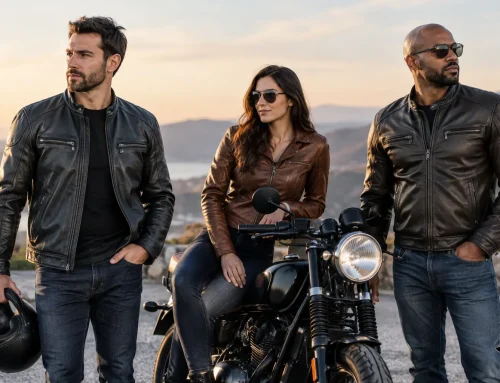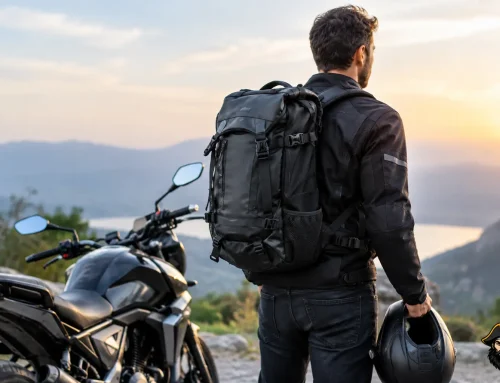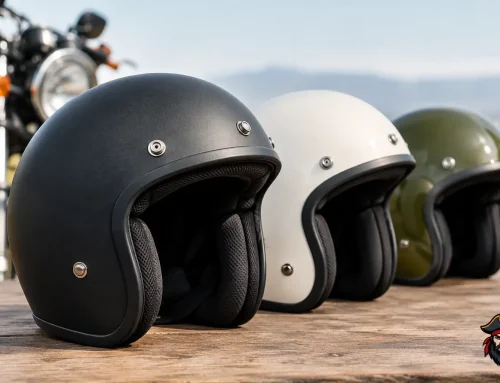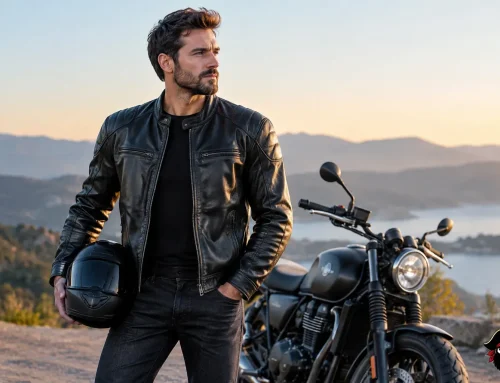
A clear forecast can turn ugly fast when you are miles from home with your hands on the bars. The best biker rain gear options do more than keep a little water off your shirt. They protect your comfort, keep your controls usable, preserve your riding layers, and help you stay focused when visibility drops and pavement gets slick.
For cruiser, chopper, and touring riders, rain protection has to work with the gear you already trust. A cheap plastic poncho that flaps in the wind is not the answer. You need equipment that fits over riding apparel, packs down without taking over your luggage, and holds up when the weather refuses to cooperate.
Best Biker Rain Gear Options Start With a Two-Piece Suit
A two-piece waterproof rain suit is the workhorse choice for most riders. Separate jacket and pants give you more control than a one-piece suit. Pull on the jacket for a quick shower, or suit up fully when you know the ride will be wet from start to finish.
Look for a rain jacket with a high collar, storm flap over the front closure, adjustable cuffs, and a longer back that covers the gap at your waist when you lean forward. The best design is roomy enough to wear over a leather jacket or riding shirt without feeling like a sail at highway speed. A snug adjustment at the wrists, waist, and collar matters. Open gaps are where rain and cold air find their way in.
Rain pants should have full or long side openings so they can go over boots without a roadside wrestling match. Heat-resistant panels on the inner legs are worth having if your bike runs hot. Standard waterproof fabric can melt or weaken against hot exhaust, especially when you are stopped in traffic.
One-piece rain suits provide strong all-over coverage and fewer seams, but they take longer to get into and out of. They make sense for long-distance riders facing steady rain. For most day rides, a quality two-piece setup is faster, more practical, and easier to pack.
Do Not Let Rain Ruin Your Leather
Quality leather riding gear is built for the road, but it is not a rain shell. Leather can handle occasional moisture, yet repeated soaking and drying without care can leave it stiff, dry, and less comfortable. The move is simple: wear waterproof rain gear over your leather rather than expecting your jacket or vest to take every storm head-on.
A proper outer shell keeps the leather from becoming saturated while allowing you to keep the protection, fit, and biker style you bought it for. After a wet ride, hang leather gear at room temperature and let it dry naturally. Do not throw it near a heater or use a hair dryer. Fast heat can pull moisture from the leather and cause trouble later.
A rain jacket also gives a leather vest more range through changing weather. On a cool morning, your vest and riding shirt may be enough. When rain hits, the shell goes over the top and blocks wind-driven water without forcing you to abandon your regular road gear.
Gloves Matter More Than Most Riders Think
Wet hands make every control feel worse. Clutch work gets tiring, throttle grip becomes less secure, and cold fingers lose dexterity fast. Waterproof motorcycle gloves are one of the smartest additions to a rain kit, especially if your regular gloves are leather or mesh.
The right rain glove needs a waterproof barrier, a secure wrist closure, and enough feel to operate switches and levers. Avoid oversized gloves that bunch in the palm or slide around on the grip. You want protection from water without giving up control.
Some riders carry lightweight waterproof over-gloves instead of a dedicated insulated rain pair. That saves space and works well in warm weather, but it can feel bulky over thicker gloves. For cold, wet riding, a dedicated waterproof glove is usually the better call. Keep it in an easy-to-reach pocket or bag, not buried under everything else.
Keep Water Out of Your Boots
Your feet take a beating in rain. Water runs down pant legs, sprays up from the road, and collects around the toe box. Even tough motorcycle boots become miserable when they stay wet for hours.
Waterproof riding boots are the cleanest solution for riders who regularly face wet conditions. For everyone else, waterproof boot covers can turn an existing pair of leather boots into a rain-ready setup. Choose covers with secure closures, reinforced soles, and enough grip for walking on wet pavement at fuel stops.
The weak point is usually the top of the boot. Tuck your rain pants so water sheds over the cover instead of running inside it. A pair of moisture-wicking socks is also a small upgrade with a big payoff. Cotton holds water and stays cold. Synthetic or wool-blend riding socks dry faster and help keep your feet from feeling swampy.
Build a Rain Kit That Actually Fits Your Ride
The best gear is useless if it stays in the garage because it is too bulky or too hard to carry. Your rain kit should be compact, organized, and ready before the clouds roll in.
A motorcycle bag or luggage setup gives you the right place to keep it. Store your jacket, pants, gloves, and boot covers in a separate waterproof pouch or compression bag inside your saddlebag, backpack, or luggage. That keeps the kit dry until you need it and prevents soaked gear from spreading water through everything else after the ride.
For riders who use a small bag, prioritize a packable rain jacket, rain pants, and gloves. If you have more room, add boot covers, spare socks, and a microfiber cloth for wiping gauges, mirrors, or your seat. The towel is not glamorous, but it earns its place quickly.
Keep your toll pass holder and other bar-mounted essentials secure, too. Rain should not turn a routine toll stop into a fumbling mess. A rugged holder that keeps your pass accessible and protects your bars is one less distraction when the road is already demanding your attention.
Visibility Is Part of Rain Protection
Staying dry is only half the job. Rain lowers contrast, fogs surfaces, and makes other drivers less likely to see you. A rain jacket with reflective detailing or a high-visibility outer layer gives approaching traffic a better chance to pick you up through spray and gray light.
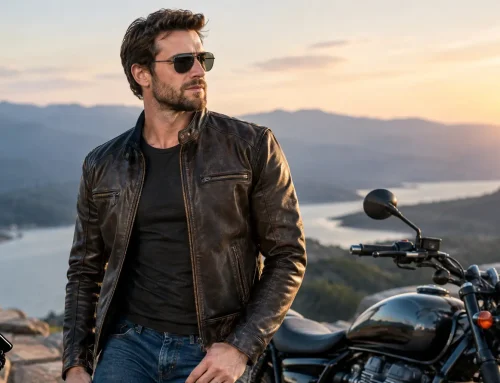
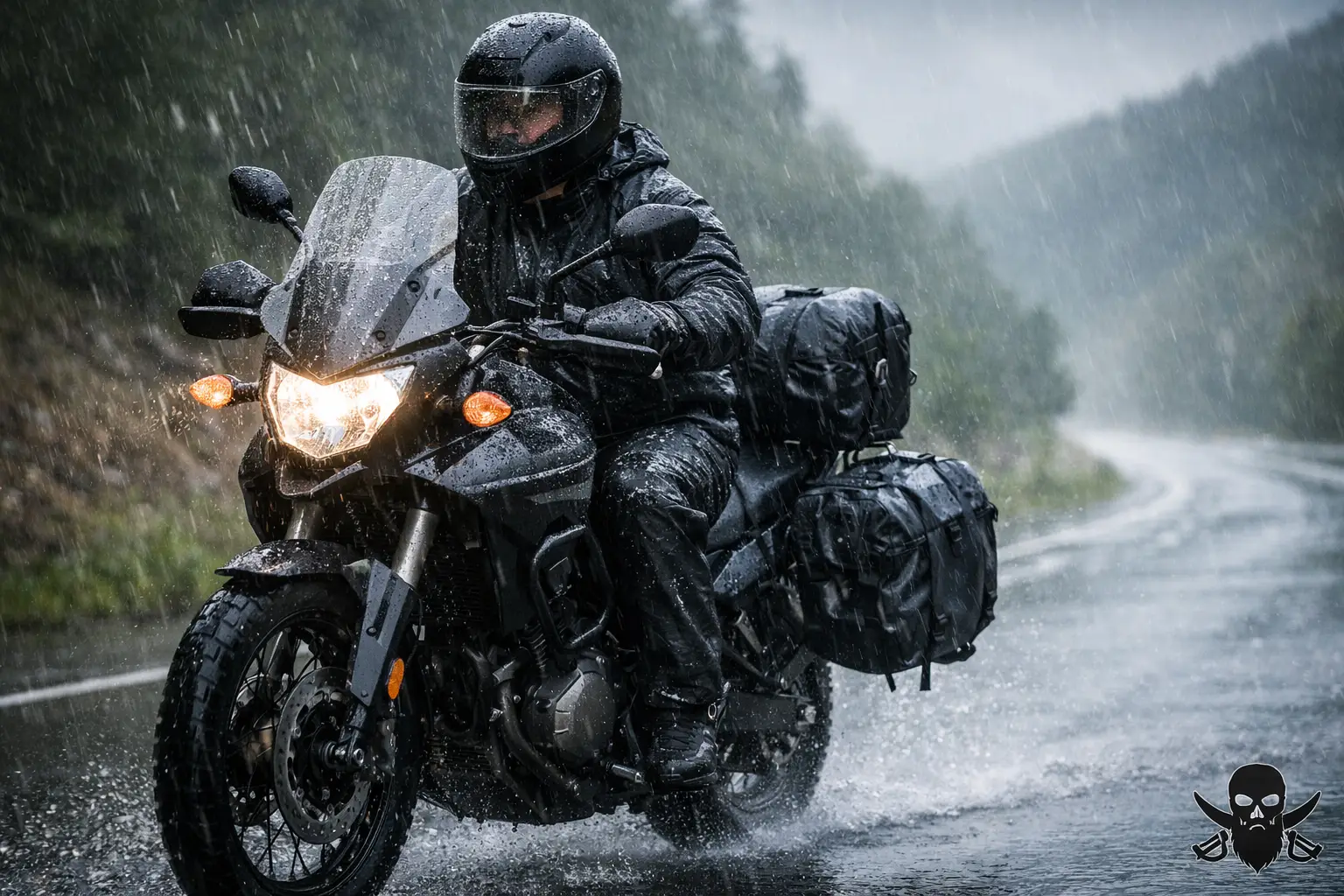
That does not mean every rider has to give up a blacked-out look. Black rain gear is classic, practical, and easy to match with leather. Just add reflective panels, reflective piping, or a high-visibility vest when conditions call for it. The trade-off is simple: road presence sometimes matters more than a clean all-black profile.
Also think about the collar and hood situation. A hood might seem useful off the bike, but it can bunch up under your helmet and catch wind while riding. A high, adjustable collar is usually the better motorcycle-specific design.
What to Skip When Buying Rain Gear
Thin emergency ponchos have a place in a glove box, not on a motorcycle at highway speed. They tear easily, trap air, flap hard, and offer little protection at the wrists, legs, or neck. Likewise, ordinary rain jackets made for walking may not have the longer cut, tough closures, and heat resistance a rider needs.
Do not buy rain gear so tight that it cannot fit over your regular layers. Rainy weather often brings lower temperatures, and you may need a riding shirt, leather jacket, or vest underneath. On the other hand, going several sizes too large creates loose fabric that catches wind and becomes distracting. Check the product measurements and plan around the gear you normally ride in.
Price matters, but replacing failed bargain rain gear after one hard storm costs more than buying a dependable setup from the start. Blackbeard’s Motorcycle Gear riders know that road-ready apparel needs to earn its space, whether it is leather, boots, gloves, or the rain layer that protects all of it.
When the sky turns dark, pull over before you are soaked, layer up, and get back on the road with gear that works as hard as you do. A packed rain kit turns bad weather from a ride-ending surprise into another part of the miles ahead.