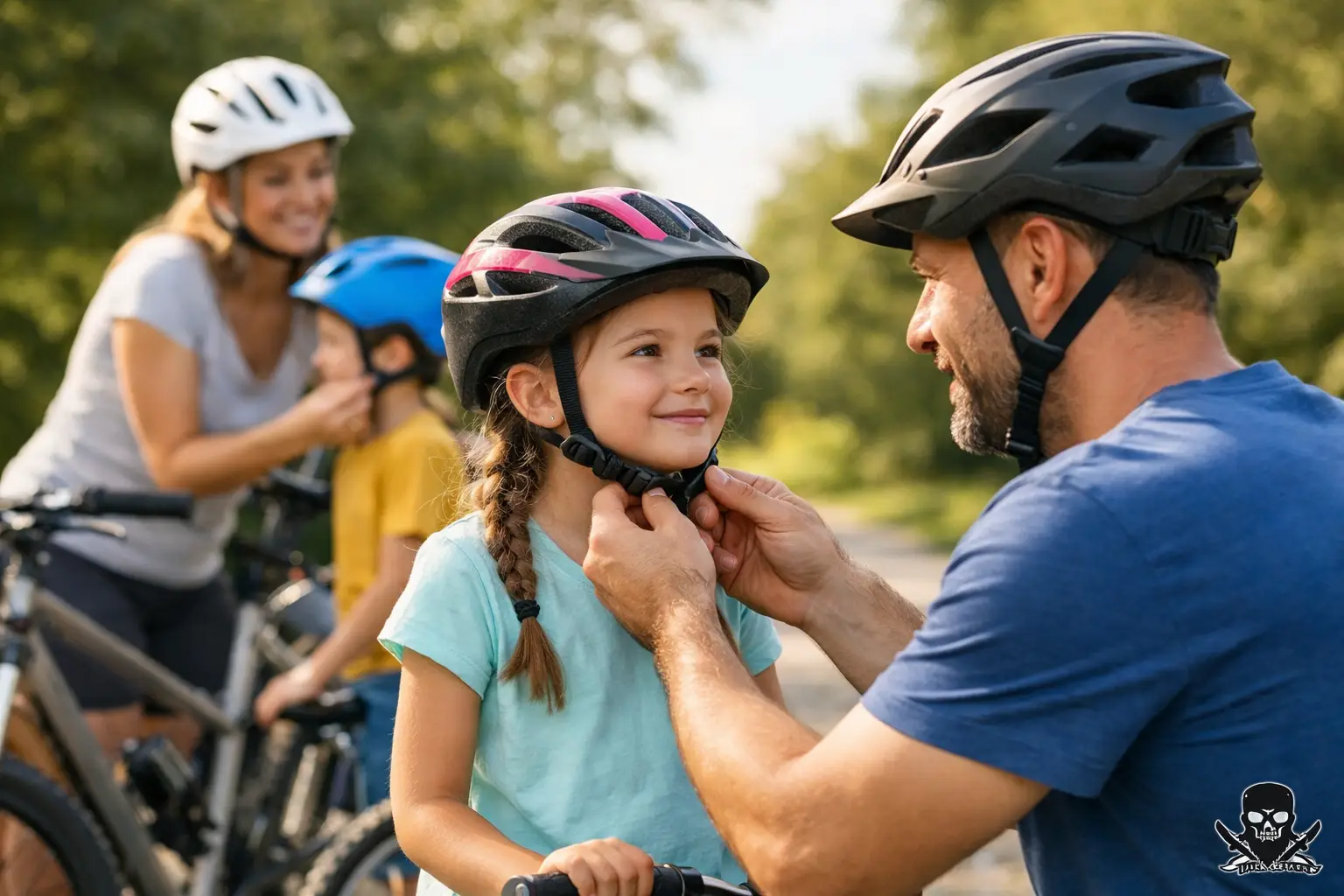
A young passenger can look ready for the road and still be missing the gear details that make a real difference. When parents search how to fit kids helmet gear, the bigger job is building a comfortable, protected setup from head to boot – one the child will actually wear every time the bike rolls out.
A helmet is a critical safety item, so follow the manufacturer’s instructions, the helmet’s certification label, and local laws. For individual helmet selection and adjustment, use a qualified retailer or trained fitting professional. Beyond the helmet itself, parents can make smart, practical decisions about riding apparel, footwear, gloves, weather protection, and passenger comfort before a family ride begins.
Start With the Whole Riding Setup
A child passenger needs more than a helmet and a hopeful attitude. Wind, vibration, road debris, exhaust heat, changing temperatures, and unexpected rain can turn a short ride into a miserable one fast. The right gear keeps the focus where it belongs: on riding safely and enjoying the road.
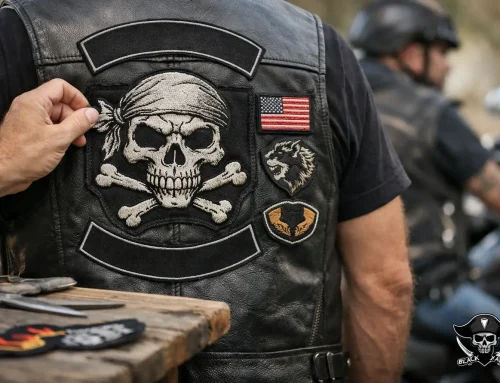
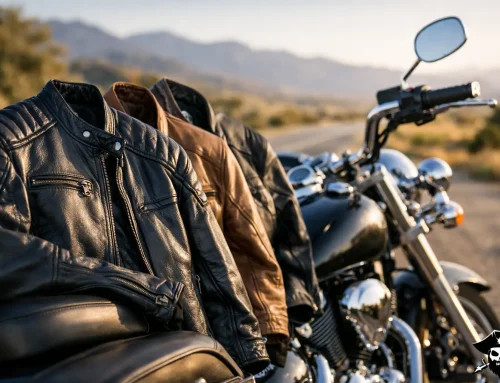
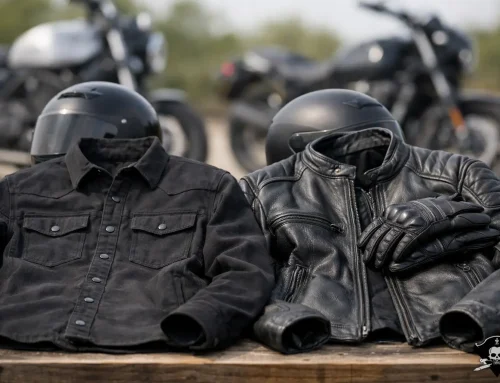
Start with layers that move easily without flapping in the wind. A quality leather jacket or leather vest provides durable outer coverage and brings the classic biker look without feeling like costume gear. For cooler days, a riding shirt or insulated layer underneath helps hold warmth without creating a bulky mess around the arms and shoulders.
Avoid loose drawstrings, oversized scarves, dangling accessories, or fashion pieces that can catch on passenger handles, foot pegs, luggage hardware, or the motorcycle itself. Road gear should look sharp, but it also needs to stay put at speed.
Leather That Can Handle Real Miles
Kids grow fast, but that does not mean their outerwear should be flimsy. A well-made leather jacket is built for regular wear, wind resistance, and the rough-and-ready nature of motorcycle life. Look for a jacket that lets the child bend their elbows, reach the passenger handholds, and sit naturally without the collar pressing into their neck.
The best test is simple: have them sit on the parked motorcycle in their normal passenger position. If the jacket pulls hard across the back, rides up at the waist, or makes them complain before the engine starts, it is not a good riding choice. A little room for a base layer is useful. Excess material that bunches, twists, or flaps is not.
At Blackbeard’s Motorcycle Gear, the focus is road-ready leather that brings both protection-minded function and the biker style families want for their young riders.
How to Fit Kids Helmet Gear Without Skipping Comfort
Comfort is not a luxury item for a child passenger. An uncomfortable kid gets distracted, shifts around, pulls at gloves, and starts thinking about getting off the bike instead of holding their position. That is why every piece of riding gear should be checked together, not one item at a time on a bedroom floor.
Put the child in their riding layers, jacket, gloves, boots, and helmet according to its manufacturer directions. Then have them sit on the motorcycle while it is securely parked. Their head movement should not be restricted by a collar, their gloves should allow a firm grip, and their boots should not make it difficult to place feet where they belong.
Watch for the small problems that become big problems on the highway. A stiff jacket collar can interfere with head movement. Thick glove cuffs can bunch under sleeves. A loose pant leg can ride up in the wind. Heavy boots may be protective, but if they make it hard for a child to maintain steady footing on the pegs, another riding-specific option may work better.
It depends on the child’s age, the bike’s passenger setup, the weather, and the length of the trip. A quick ride around town requires less weather management than a full day on the road, but the basics should never disappear just because the destination is close.
Boots and Gloves Are Not Extras
Sneakers are made for sidewalks, school halls, and playgrounds. They are not built around hot motorcycle parts, rough pavement, or the need to stay planted on passenger pegs. Motorcycle boots or sturdy riding shoes give kids a more stable base and protect their feet from wind, grit, and minor bumps around the bike.
The boot should stay secure at the ankle and have a sole with dependable grip. Check that laces, if present, are fully tucked away and cannot hang near moving parts. Buckles and straps should be fastened before the child gets on the bike, not adjusted after they are seated.
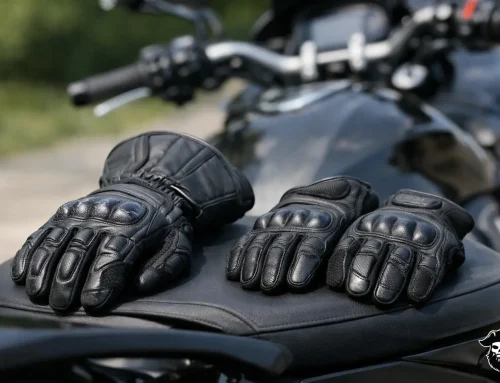
Gloves matter just as much. Hands are exposed to wind long before many kids realize they are cold, and cold hands can make a passenger miserable. Riding gloves should allow the child to close their fingers fully around a handhold or around the rider’s waist, depending on your passenger rules. They should not be so thick that grip becomes clumsy or so loose that material shifts around the fingertips.
For warm-weather rides, lighter gloves may be the better choice. For colder conditions, insulated gloves can help, but always test their grip before leaving. More padding is not automatically better if it limits control.
Build a No-Nonsense Pre-Ride Routine
Kids do better with a repeatable routine. Make gear checks part of the ride, not an argument that happens at the driveway. A simple four-point routine keeps the process fast:
- Jacket or vest zipped, snapped, or secured with no loose straps.
- Gloves on, with fingers moving freely and cuffs sitting comfortably.
- Boots secured, laces tucked, and feet able to rest solidly on the pegs.
- Helmet used exactly as directed by its manufacturer, with no damaged or altered parts.
Then check the passenger position. The child should know where to hold on, where to place their feet, and when they may get on or off the motorcycle. Make it clear that feet stay on the pegs whenever the bike is moving and that sudden leaning, standing, or turning around is off the table.
For newer young passengers, keep the first rides short. Choose slower routes with fewer surprises, stop before they get tired, and ask direct questions afterward: Were your hands cold? Did the jacket pinch? Could you reach the pegs the whole time? Did anything rub or distract you? Their answers will tell you far more than a mirror check.
Plan for Weather, Visibility, and the Long Ride Home
Weather can change fast, especially when a child is sitting behind a larger rider and catching more wind. Pack an extra layer when temperatures are questionable. A neck covering can help reduce wind exposure, as long as it sits securely and does not interfere with the helmet or jacket collar.
Visibility deserves attention, too. Black leather is timeless biker gear, but a child passenger benefits from visible accents, reflective details, or brighter outer layers when riding near dusk, in rain, or on busy roads. Style and visibility do not have to compete. The right jacket, vest, and accessory combination can look tough while helping other drivers spot your bike sooner.
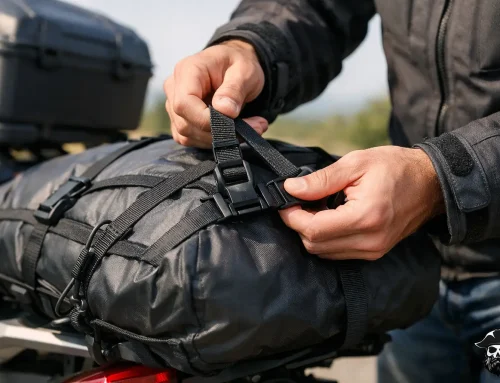
If you carry snacks, rain layers, or extra gloves, motorcycle luggage keeps them contained instead of stuffed into loose pockets. A secure bag is cleaner, more comfortable, and far less likely to create clutter around the passenger seat.
The goal is not to pile gear on until a child can barely move. The goal is a dependable setup that feels natural, stays secure, and gives them confidence in the passenger seat. Get the apparel right, make the pre-ride check routine, and let every family mile start with gear built for the road.