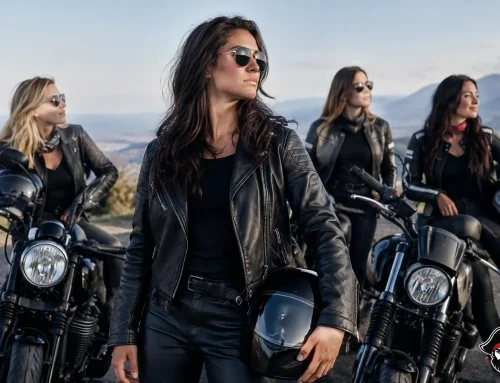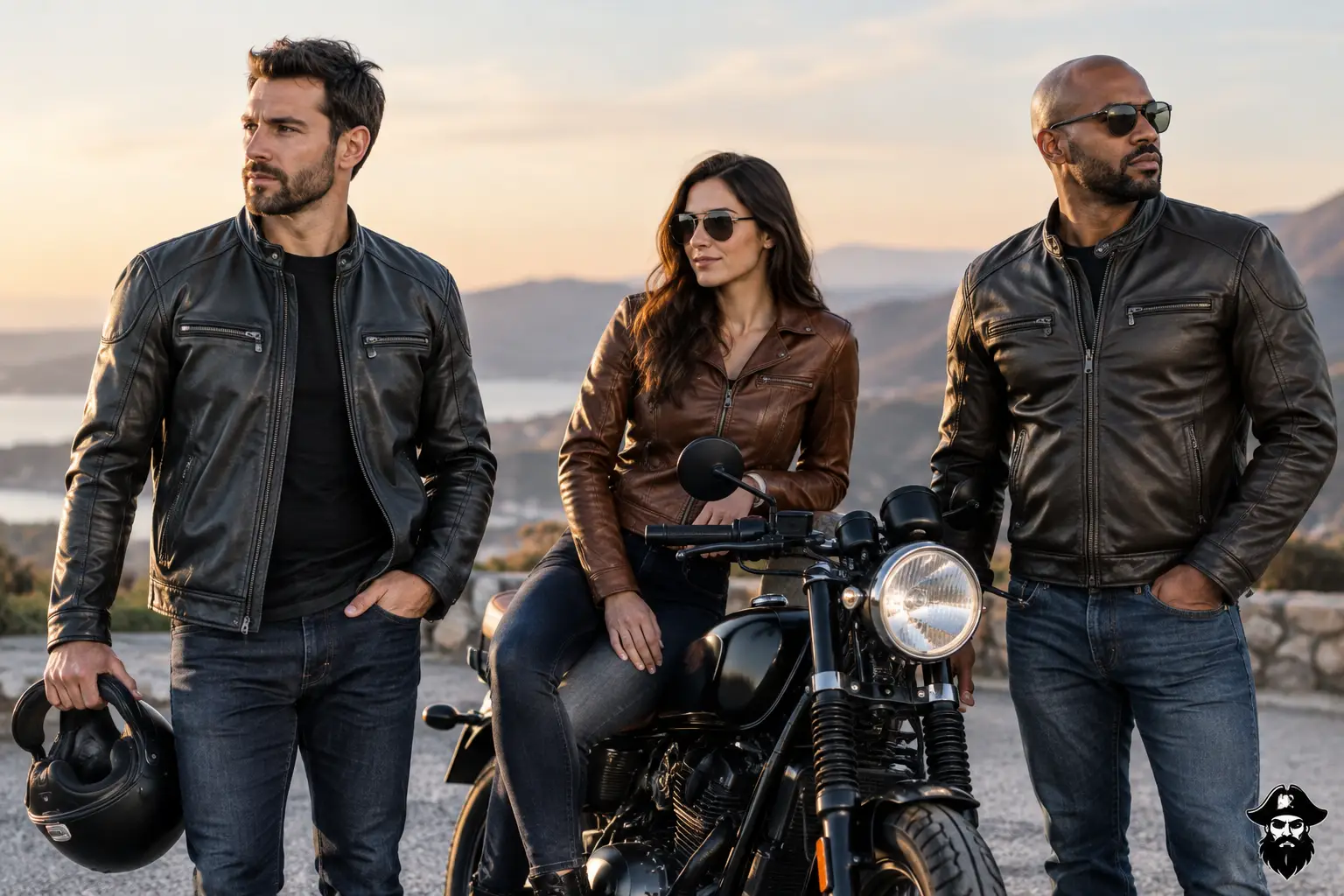
A leather jacket can look mean on the hanger and still be wrong the second you grab your bars. The best leather jacket fit examples are not about posing in front of a mirror. They show how a jacket should sit when you are reaching forward, turning your head, working the controls, and wearing the gear you actually ride in.
A proper riding jacket should feel secure without pinching, cover what needs coverage without bunching up, and look like it belongs on you. That balance changes with the cut, your riding position, the leather itself, and whether you run a T-shirt or a hoodie underneath. Here is what a real-world fit looks like before you put your money down.
Leather Jacket Fit Examples That Work on the Road
The simplest test is this: put the jacket on, zip it up, and stand naturally. The shoulders should line up with your shoulders, not hang down your upper arms or pull high toward your neck. The chest should be close enough that the jacket does not balloon in the wind, but not so tight that the zipper strains or your breathing feels restricted.
Then bring both arms forward as if your hands are on the grips. Good leather should flex across the back and through the shoulders. You may feel the jacket tighten slightly because leather is protective material, not a loose sweatshirt. But it should not bind hard across your upper back, dig under your arms, or pull the cuffs halfway to your elbows.
A jacket that feels comfortable only with your arms hanging straight down is a fashion jacket wearing a biker costume. A riding jacket has to work in the riding position.
Example 1: The trim cruiser fit
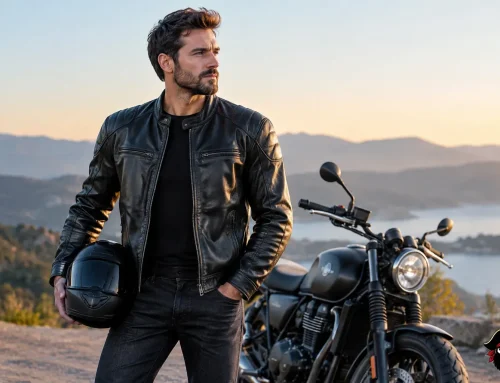
A trim cruiser jacket sits close through the chest and torso with a clean, sharp profile. It is a strong choice for riders who want that classic black-leather look without excess material flapping at highway speed. The waist lands around the beltline or just below it, depending on the jacket design and the bike.
In a correct trim fit, you can zip the jacket without fighting it, reach the handlebars, and wear a T-shirt or light riding shirt underneath. The body should not look inflated, and the sleeves should stay near your wrists when your arms are extended. This cut is built for a clean road-ready look, not for stacking a thick fleece under it.
The trade-off is simple: a trim jacket gives you a tighter silhouette, but it leaves less room for heavy layering. If you ride in colder weather, look for side laces, expansion panels, or a removable liner rather than forcing a too-small jacket to do a job it was not built to do.
Example 2: The relaxed touring fit
A relaxed leather jacket has more room through the chest, stomach, and back. It is the better call for riders who spend long days in the saddle, wear layers, or simply do not want a tight-cut coat. That extra room should be controlled, not sloppy.
A good relaxed fit still has shoulders in the right place. The sleeves should not cover your knuckles when your hands are down, and the jacket should not hang so low that it folds into your lap every time you sit. With the front zipped, you should have enough space for a sweatshirt or vest layer without the leather pulling across the back.
What you do not want is a jacket that swings around your torso or creates a large air pocket at the chest. Oversized leather gets tiring in the wind, can bunch at the elbows, and loses the secure feel riders count on. Room to move is good. Swimming in your gear is not.
Example 3: The classic biker jacket fit
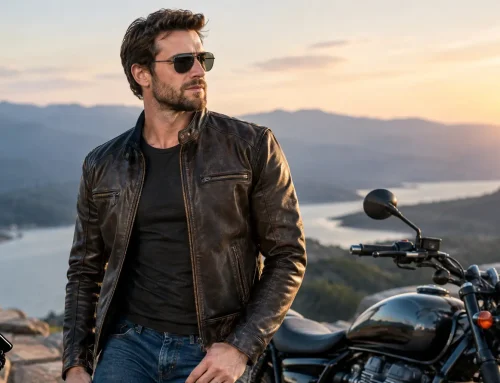
The traditional biker jacket is usually shorter, more structured, and cut to sit at the waist. It is built around attitude, but a good one still needs to earn its place on the bike. When it fits right, the bottom edge stays clear of the seat, the collar does not choke you when zipped, and the back remains covered when you lean forward.
This fit is often more snug through the torso than a touring-style jacket. You should expect a firm feel at first, especially with heavier leather. Quality leather breaks in and starts to form around your shoulders, elbows, and back with regular wear. It should become yours over time, not punish you every time you reach for the clutch.
If the zipper pulls sideways, the lapels spread too far apart, or the jacket rides high enough to expose your lower back while seated, go up in room or choose a different cut. Do not count on break-in to fix a jacket that is plainly too tight or too short.
Example 4: The women’s contoured fit
A women’s leather riding jacket should follow the body without restricting movement. The right fit is shaped through the waist and chest while leaving real working room in the shoulders and arms. A jacket can look fitted without feeling like it was painted on.
Check how it feels when seated and reaching forward. The chest should lie flat without pulling at the zipper, and the waist should stay in place rather than riding up under the ribs. If the jacket has adjustable side laces or zippered hip gussets, use them to fine-tune the fit for different layers and riding conditions.
The goal is not to hide behind a boxy men’s cut. It is to get a jacket that delivers a strong biker profile, solid leather protection, and enough mobility to ride with confidence.
Check the Fit Where It Counts
The mirror gives you part of the answer. Your normal riding motions give you the rest. Before removing the tags, wear the jacket around the house for several minutes with the layers you normally use. Zip it all the way, sit in a chair with a slight forward lean, and move your arms through normal steering and shifting motions.
Pay close attention to the shoulders, upper back, elbows, cuffs, and waist. These are the areas that reveal whether a jacket was made for real use or just for walking from the parking lot to the bar. Leather should feel substantial, but it should not make you fight your own gear.
The sleeve length matters most with your arms forward. A little wrist exposure when standing is normal on some cuts, especially after the leather settles. But a sleeve that pulls far up your forearm on the bike leaves a gap between your jacket and gloves. On the other side, sleeves that swallow your hands interfere with controls and look loose.
Your jacket waist should also work with the rest of your setup. A shorter cut pairs well with jeans, boots, and a clean cruiser stance. A longer cut can give more lower-back coverage for longer runs. Neither is automatically better. Match the length to your bike, your posture, and how you ride.
Do Not Buy the Wrong Fit for the Wrong Reason
Some riders size down because they want a tougher, sharper look. Others buy too large because they assume leather has to feel roomy. Both moves can cost you comfort and leave you with a jacket that stays in the closet.
Do not judge a leather jacket by the number on the tag alone. Cuts vary between brands and styles, and a vest-style body has different needs than a full jacket with insulated lining and armor pockets. Use the garment measurements and compare them to a jacket you already wear well. That gives you a more honest starting point than guessing from your usual shirt size.
Also think about your full kit. A fitted leather jacket works differently with low-profile gloves than with bulky winter gloves. A longer touring jacket may sit differently once you add motorcycle boots and load the pockets with keys, phone, wallet, and toll pass holder. Every piece has to work together when the road gets long.
Blackbeard’s Motorcycle Gear carries tough, top-quality leather jackets, vests, gloves, boots, luggage, and riding gear built for riders who want function without losing the biker look. A clean jacket fit is the foundation. Build the rest of your setup around it, then get out and put some miles on that leather.
A jacket that fits right will not ask for your attention after the first few miles. It will move when you move, stay put in the wind, and keep looking better every time you ride.