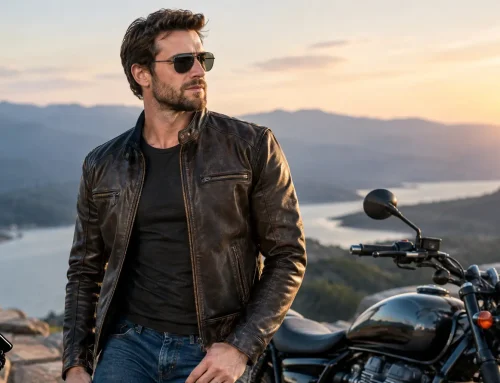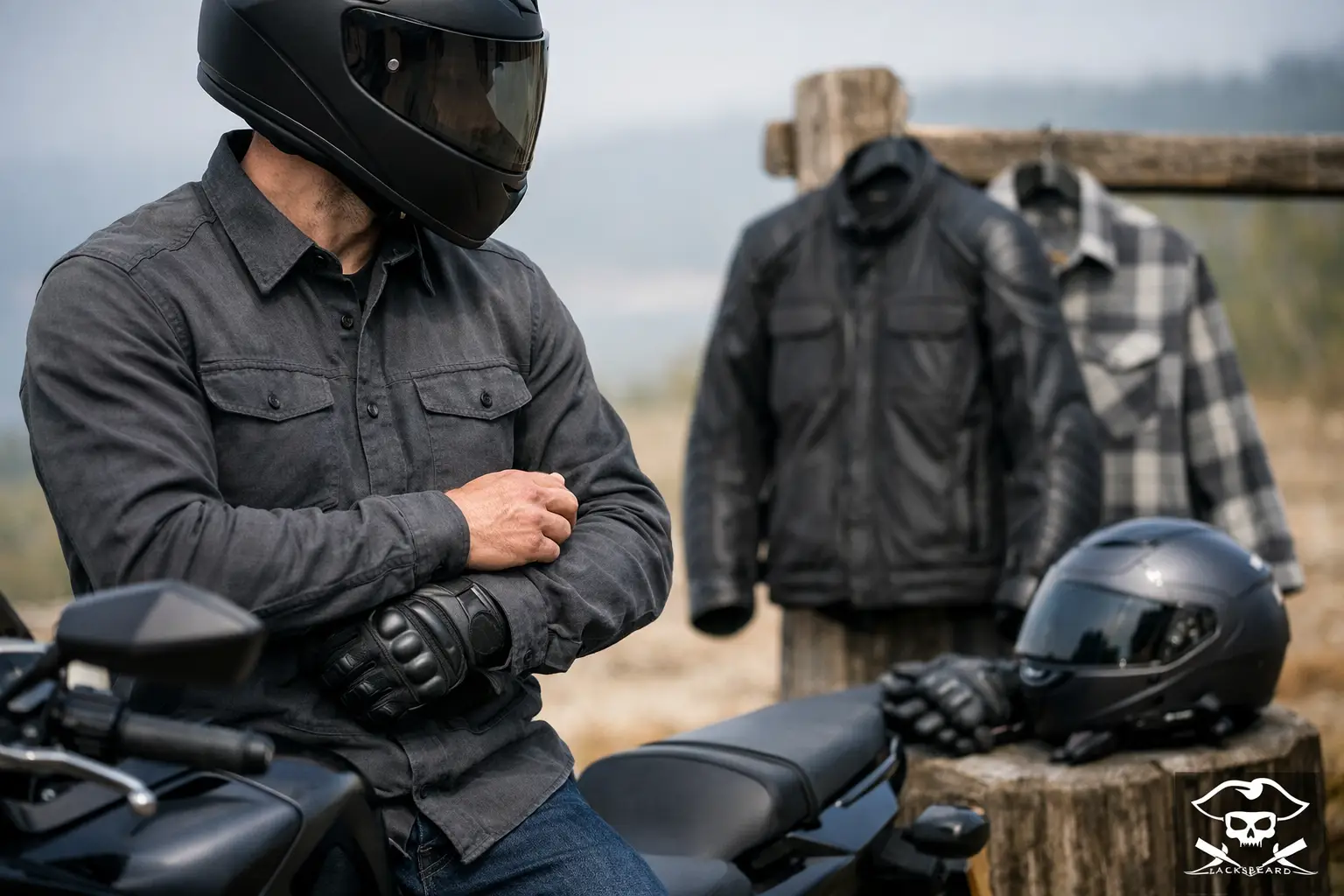
A riding shirt can look right at home on a cruiser, but the real question is whether it will hold up when the road turns ugly. Are riding shirts protective? Some absolutely are. Others are just a regular flannel or work shirt with motorcycle styling. The difference matters the second you hit pavement.
A true protective riding shirt is built to give riders a lighter, more casual alternative to a full leather jacket. It can add abrasion resistance, impact protection, and coverage without the bulk that keeps some riders from gearing up on hot days or quick runs. But it is not automatically equal to a heavy leather jacket, and it should never be judged by its looks alone.
Are Riding Shirts Protective Enough for the Road?
The short answer: it depends on the shirt, the ride, and what you expect it to do.
A purpose-built riding shirt may use an abrasion-resistant lining or reinforced panels made from materials such as aramid fibers, reinforced denim, or heavy-duty textile blends. Many also include pockets for shoulder, elbow, and back armor. These features give the shirt real value over ordinary streetwear when a slide or impact happens.
That said, protection is not a single feature. A shirt with a tough lining but no armor handles abrasion better than a regular flannel, but it offers less impact coverage than an armored garment. A shirt with armor pockets is only as protective as the armor actually installed inside them. If the pockets are empty, you are leaving protection on the table.
For a relaxed backroad ride, a properly built armored riding shirt can be a solid choice. For long interstate miles, aggressive riding, cold weather, or conditions where higher speeds are part of the plan, many riders will want the heavier coverage of a quality leather jacket or a more substantial textile jacket. Gear should match the miles, not just the mirror.
What Makes a Riding Shirt Actually Protective?
Do not buy based on a plaid pattern, snaps, or the word “motorcycle” in a product name. Look past the outer shell and check the construction.
Abrasion-resistant materials
Road rash happens fast. When a rider slides, thin cotton can tear almost immediately. Protective riding shirts use tougher materials where they count, often across the shoulders, elbows, back, and sleeves. Some are lined throughout, while others place reinforcement only in high-impact zones.
Full lining generally provides broader coverage, but it can also make a shirt warmer and less flexible. Zoned reinforcement can feel cooler and lighter, though the unlined areas may offer less slide protection. Neither choice is automatically wrong. It comes down to how, where, and when you ride.
If a manufacturer provides a recognized garment safety rating, that is useful information. It shows the garment has been tested as a motorcycle piece rather than marketed on looks alone. Read the listed rating and construction details instead of assuming every reinforced shirt performs the same.
Armor at the elbows, shoulders, and back
Armor is made to spread and absorb energy during an impact. Elbows and shoulders are common first-contact points in a fall, which is why quality riding shirts often include armor pockets there. Back protection is also worth considering, especially on a shirt intended for regular road use.
Some shirts come with removable armor included. Others are sold armor-ready, meaning the pockets are there but the armor must be purchased and fitted separately. Armor-ready is not the same as armored. Confirm what is in the shirt before it lands in your cart.
Look for armor that stays positioned over the joint when you reach for the bars. Loose sleeves and poorly placed pads can shift in a crash. A shirt that fits correctly will keep its protective pieces where they belong.
Strong seams, closures, and cuffs
A protective fabric is only part of the package. Weak stitching, flimsy snaps, or loose cuffs can let a garment move or come apart under stress. Quality riding apparel uses reinforced seams and durable closures because a shirt that rides up at speed is not giving full coverage.
Pay attention to the sleeve length when your arms are extended. The cuffs should still cover your wrists without climbing halfway up your forearm. The body should cover your lower back in a riding position, especially if you are wearing it over a belt and jeans.
Riding Shirt vs. Leather Jacket
Leather remains a hard-working choice for abrasion resistance, wind blocking, and classic biker style. A well-made leather jacket brings weight, structure, and dependable road presence that a lightweight shirt usually cannot match. For colder weather, long rides, and higher-speed travel, it is tough to beat.
A riding shirt earns its place for different reasons. It is usually easier to wear off the bike, lighter in warm weather, and less restrictive than a heavy jacket. It also works well as a layer. Many riders wear an armored shirt under a leather vest for a clean cruiser look while gaining more coverage than a vest alone provides.
The trade-off is straightforward: lighter gear is often more comfortable, but comfort should not be mistaken for maximum protection. If you are choosing between a fashion flannel and an armored riding shirt, the riding shirt is the clear winner. If you are choosing between an armored shirt and a heavy leather jacket for a fast all-day ride, decide based on speed, weather, and the protection level you want.
Fit Is a Safety Feature, Not Just a Comfort Issue
A riding shirt should fit close enough that the armor does not wander, but not so tight that you cannot move freely, work the controls, or layer underneath. Try the riding position, not just the standing-in-front-of-a-mirror position. Reach forward, bend your elbows, and make sure the shirt does not pull hard across the shoulders or expose your lower back.
A loose shirt may flap in the wind and allow pads to rotate away from the elbows and shoulders. A shirt that is too tight can limit movement and tempt you to leave it hanging in the closet. The right fit is one you will actually wear every time the kickstand comes up.
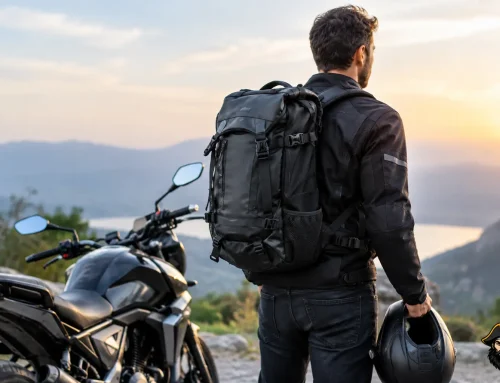
For riders who carry gear, a riding shirt also needs to work with the rest of the setup. Gloves should overlap the cuff without a gap. The collar should not choke you under a vest. If you run motorcycle luggage or a backpack, check that the shoulder straps do not bunch the armor or create uncomfortable pressure points.
When a Riding Shirt Is the Right Call
A protective shirt makes sense when you want a lighter riding layer without going unprotected. It is a strong option for commuting, local rides, warm-weather cruising, bike nights, and casual stops where a full jacket feels like overkill. It is also a practical choice for riders who want a rugged, laid-back look without giving up armor pockets and abrasion resistance.
It is not the right call if you treat it like a magic shield. No shirt makes pavement soft. For rain, freezing temperatures, sustained highway travel, track riding, or high-risk roads, step up your protection with a serious leather or textile jacket and the rest of your gear.
Your shirt is only one piece of the loadout. Durable riding boots, gloves, proper pants, and eye and head protection all work together. Skipping the rest because one layer is reinforced is a bad bargain.
Quick Checks Before You Buy
Before buying a riding shirt, verify the material, where reinforcement is placed, and whether armor is included or sold separately. Check the closure system, seam construction, and product details for any stated safety testing. Then think honestly about your usual ride, not the occasional sunny afternoon when everything goes right.
At Blackbeard’s Motorcycle Gear, the smart move is choosing riding apparel that fits your style and your miles. A protective riding shirt can be a tough, comfortable layer for the right ride – just make sure it is built for the asphalt, not merely built to look good beside the bike.