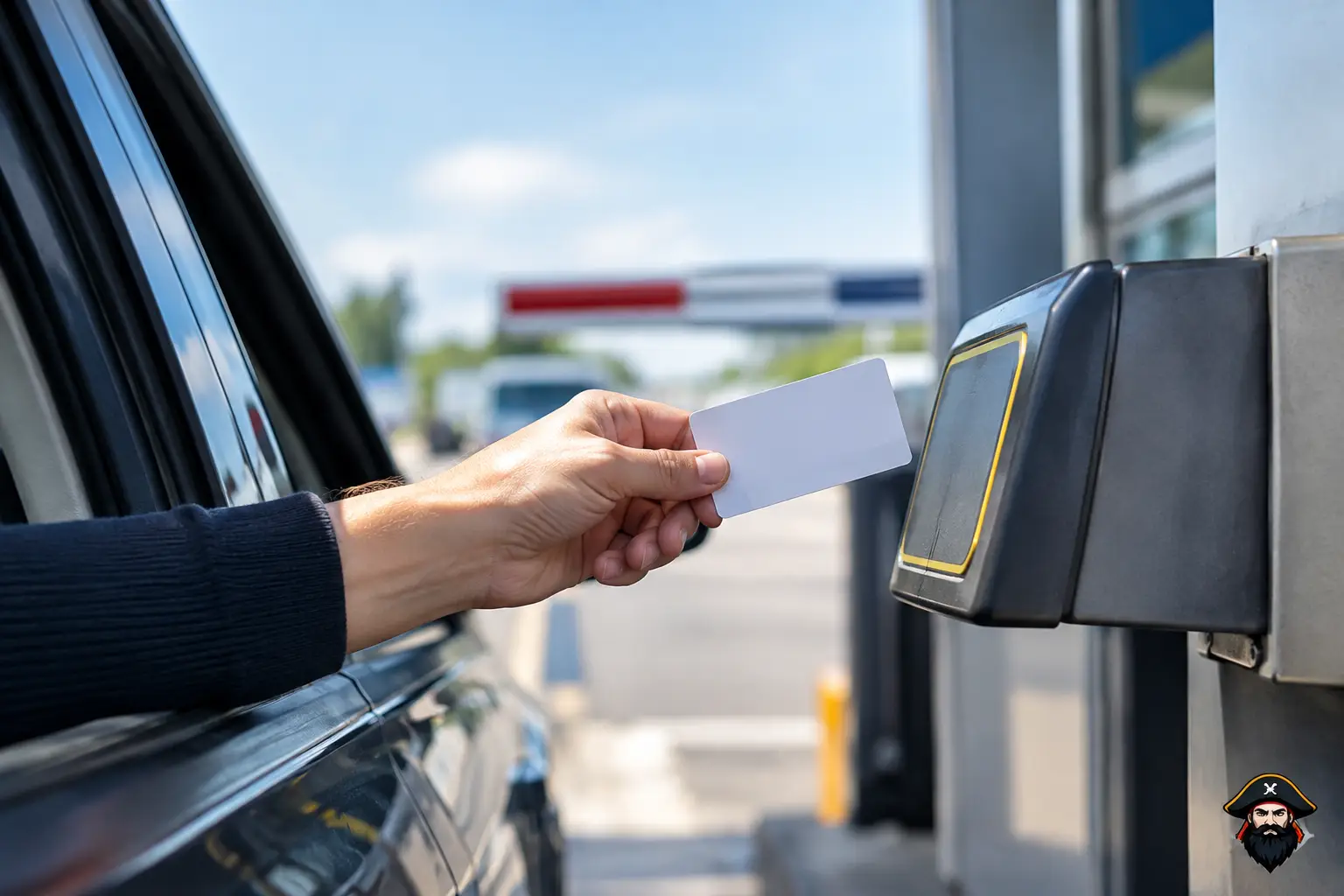
A toll booth is no place to fish through a vest pocket, peel a pass off your windshield, or stop the whole line while you search a saddlebag. A handlebar-mounted pass holder solves that problem fast. But do toll holders scratch bars? Some can. The real issue is not the idea of a toll holder – it is the mounting design, the hardware touching your bike, and what gets trapped between the holder and the finish.
For riders who take pride in clean chrome, black powder-coated bars, or a fresh set of ape hangers, that difference matters. A cheap mount that shifts, clamps too hard, or rubs grit into the finish can leave marks behind. A properly designed no-scratch holder should stay put, keep hard edges off the bar, and make toll access easy without treating your handlebars like a wear item.
Do Toll Holders Scratch Bars? It Depends on the Mount
A toll holder does not automatically scratch handlebars. The risk comes from friction and pressure. If a holder has bare metal clamps, sharp hardware, loose brackets, or an abrasive backing, it can rub through a finish over time. Add road vibration, rain, dust, and fine grit, and a small contact point can start acting like sandpaper.
Chrome bars show this damage quickly. You may see a dull ring, fine lines, or a cloudy patch where the clamp sat. Painted and powder-coated handlebars may develop scuffs or chipped spots, especially if the mount is overtightened. On black bars, even a light scratch tends to stand out once the sun hits it.
Not every mark is caused by the holder itself. Dirt is often the culprit. A clean mount installed on a dirty bar can still grind grit into the surface as the bike vibrates. That is why the material at the contact point and the way the holder locks down both matter more than flashy packaging or a bargain-bin price.
What Makes a Toll Pass Holder Safe for Handlebars
The safest toll pass holders are built around one simple rule: hard hardware should not rub directly against the bar. Look for a design that creates a protective barrier between the holder and the handlebar rather than relying on a metal-on-metal clamp.
A secure fit is just as important. A loose holder may seem harmless in the garage, then shift constantly on rough pavement. That motion is what creates rub marks. On the other hand, cranking a clamp down as hard as possible is not the answer either. Excess pressure can damage coatings, deform softer protective material, and make removal a headache.
A quality motorcycle toll pass holder should also keep the pass protected and readable. You want quick access at the toll lane without exposing the pass to rain, wind, or the chance that it launches off the bike at highway speed. If the holder makes you stop, remove gloves, or fight with a flimsy cover, it is not doing its job.
Blackbeard’s Motorcycle Toll Pass Holder is built for riders who want that practical setup without sacrificing their handlebars. Its no-scratch design is made to stay secure while keeping the mounting contact from chewing up your bars. That means less worry about scuffs and more time rolling through the toll lane.
The Four Ways Bar Damage Usually Starts
Most handlebar damage from accessories starts in one of four predictable ways:
- Bare metal hardware sits directly against chrome, paint, or powder coating.
- The holder is loose enough to move under vibration and road shock.
- Sand, dust, or dried road grime gets trapped under the mounting point.
- The mount is overtightened until the protective finish is crushed or marked.
That is why a toll holder should never be treated as a throwaway accessory. It is small, but it sits in a highly visible place and takes constant vibration. A well-made holder protects both your toll pass and the bike you worked hard to keep looking right.
Install It Clean and Keep It That Way
Before mounting any handlebar accessory, wipe down the exact area where it will sit. Use a clean microfiber cloth and remove dust, bugs, road film, or old polish residue. Do not mount over grit and assume a padded clamp will fix the problem. Once pressure and vibration enter the picture, trapped debris can still leave a mark.
Position the holder where you can reach it easily without crowding your controls, cables, gauges, or phone mount. Riders with busy bars should take a minute to turn the handlebars fully left and right before heading out. Check that the toll holder does not contact the tank, windshield hardware, fairing, or other accessories at full lock.
Tighten the mount until it is stable, not until it looks like it was installed with a breaker bar. Then give it a firm hand check. If it twists or slides, adjust it before riding. After the first few rides, especially after rough roads or rain, inspect the holder again. A quick check takes seconds and can catch movement before it becomes a finish problem.
If you ever remove the holder, clean underneath it right away. Dirt and moisture can collect in places you do not see during regular washdowns. This is especially true after long rides, coastal roads, construction zones, or a week of bad weather.
A Cheap Holder Can Cost More Than It Saves
There is always a temptation to grab the lowest-priced motorcycle accessory and call it good enough. Sometimes that works. With a handlebar-mounted item that is exposed to wind, vibration, weather, and constant visibility, it can be a false bargain.
A scratched bar may be a minor cosmetic issue, but fixing it is rarely as simple as wiping it down. Chrome damage can require replacement if the mark is deep. Paint and powder coat repairs often look different from the original finish. Even if you can live with the scratch, it is frustrating to know it came from an accessory that was supposed to make riding more convenient.
The better value is a holder made for motorcycles and built around real road use. It should be rugged enough for miles of vibration, simple enough to use with gloves on, and designed not to leave a ring of damage behind when you take it off.
Toll Convenience Without the Handlebar Damage
Electronic toll passes are a practical upgrade for riders who commute, tour, or regularly cross toll roads and bridges. Mounting the pass where it is visible and easy to access keeps your ride moving. It also means you are not digging through a leather jacket, vest pocket, tank bag, or motorcycle luggage while traffic stacks up behind you.
That convenience should not come at the expense of your bike’s finish. Choose a toll pass holder with protected contact points, install it on a clean surface, and check it after the first rides. If you ride a cruiser, chopper, bagger, or stripped-down custom, your bars are part of the look. Treat them that way.
A good toll holder is one of those small pieces of gear that earns its place every time the gate opens. Keep it secure, keep it clean, and let your handlebars stay as sharp as the rest of your ride.