Cold air up the sleeve will settle this argument fast. When riders compare gauntlet gloves vs short cuff, they are usually trying to answer one real question – which glove actually works better for the way they ride?
The truth is both styles earn their place on the bike. One gives you more coverage and weather protection. The other gives you quicker on-off convenience and a lighter feel at the controls. If you ride a cruiser, a bagger, or a stripped-down chopper, the right choice comes down to your jacket, your climate, your riding season, and how much protection you want wrapped around your wrists.
Gauntlet gloves vs short cuff: the real difference
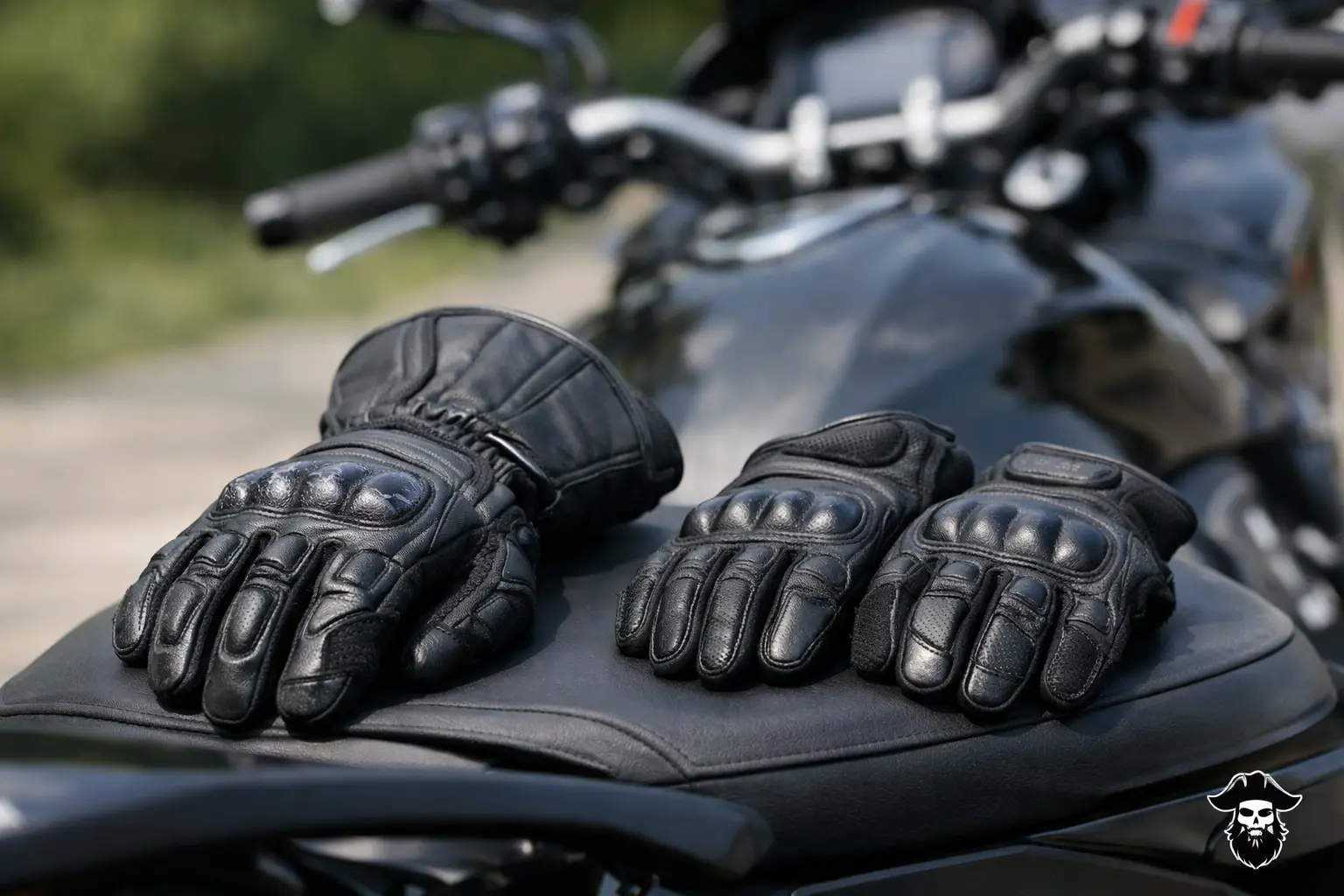
A gauntlet glove extends past the wrist and overlaps your jacket sleeve. A short cuff glove stops at or near the wrist. That sounds simple, but on the road it changes comfort, coverage, and confidence in a big way.
Gauntlet gloves are built to block wind, road spray, and cold air from sneaking into the gap between your glove and jacket. That extra length also adds abrasion coverage around the wrist and lower forearm, which matters if things go sideways. On longer rides, especially in rough weather, riders feel that difference fast.
Short cuff gloves go the other direction. They keep things streamlined. They are easier to pull on at a gas stop, easier to live with in warm weather, and often feel less bulky for everyday riding. If your rides are shorter, your climate runs hot, or you want more casual comfort without giving up road-ready leather, short cuff gloves make a strong case.
Why gauntlet gloves win on protection
If protection is the top priority, gauntlet gloves usually come out ahead. More material over the wrist means more coverage where a short cuff leaves skin or jacket edge exposed. That does not make every gauntlet glove safer than every short cuff glove, because construction still matters. Good leather, solid stitching, palm reinforcement, and secure closures all count. But style for style, gauntlets cover more.
That extra cuff also helps the glove stay put. A glove that overlaps the jacket and secures firmly at the wrist has less chance of shifting around in wind. Riders who spend serious time on highways tend to appreciate that planted feel.
For cold-weather riders, this is where gauntlets really earn their keep. Wind chill hits your hands hard, and the wrist opening is one of the easiest places for cold air to get in. Gauntlet gloves close that gap. Pair them with a leather jacket that has solid sleeve structure, and the whole setup feels tighter and more road-ready.
Where short cuff gloves make more sense
Short cuff gloves are not a compromise by default. In the right conditions, they are the better tool.
For warm-weather riding, they usually feel cooler and less restrictive. There is less material bunching at the jacket sleeve, less time spent pulling gloves on and off, and often better day-to-day convenience if you are making frequent stops. Around town, that matters.
They also pair well with riders who want a clean, stripped-back feel. Cruiser and V-twin riders often want gear that works hard without feeling overbuilt. A quality leather short cuff glove can still give you palm protection, knuckle coverage, and a secure fit while keeping the profile lower. If your riding is mostly fair-weather and local, short cuff gloves can feel like the practical choice instead of the lesser one.
The jacket matters more than some riders think
You cannot really judge gauntlet gloves vs short cuff without looking at the jacket you wear most.
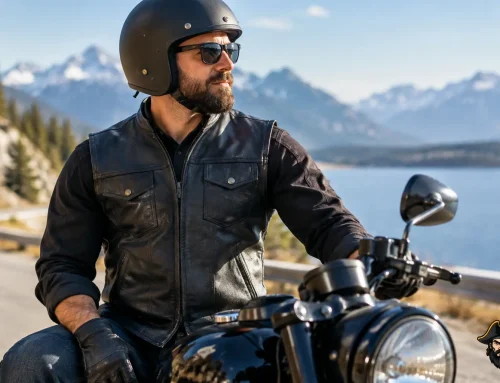
A gauntlet glove is designed to work with the sleeve, not against it. If your leather jacket has a thicker cuff, zipper closure, or a roomier sleeve opening, a gauntlet can seal over it and create a better barrier against weather. That setup is built for miles.
A short cuff glove works best when the jacket sleeve already fits close and stays put. If your sleeve rides up in the wind or leaves a gap at the wrist, a short cuff will not fix that. In fact, it can make the problem more obvious. Riders sometimes blame the glove when the real issue is the glove-and-jacket combo.
This is one reason touring riders and cold-season riders lean toward gauntlets. The longer the ride, the more little comfort problems turn into big ones.
Weather changes the answer fast
If you ride through spring mornings, fall afternoons, surprise rain, or long highway stretches after sunset, gauntlet gloves stack up real advantages. They protect better against wind and help keep your hands warmer longer. Even if the glove is not heavily insulated, the extended cuff cuts down on direct airflow where it counts.
Short cuff gloves are better when heat is the problem, not cold. Summer traffic, stop-and-go riding, and short rides across town usually favor lighter coverage. Your hands can still sweat in either style, especially with full leather, but a shorter cuff generally feels less closed-in.
Rain is another tiebreaker. Water loves to find sleeve openings. A gauntlet glove worn correctly can help keep that out. A short cuff glove leaves less overlap, so there is simply more opportunity for water to work in around the wrist.
Control feel and comfort on the bars
Some riders swear short cuff gloves give them a more natural feel on the grips. There is less material around the wrist, so flex feels easier and hand movement can seem freer. For quick rides and everyday use, that lighter feel is hard to argue with.
Gauntlet gloves can feel more substantial, which is good or bad depending on the glove design. A well-made leather gauntlet should still move cleanly at the wrist and not bunch up badly under the sleeve. Cheap or poorly cut gauntlets can feel stiff, awkward, or bulky. That is not the fault of the style. That is a quality problem.
This is where premium leather matters. Better leather breaks in better, shapes to your hand better, and gives you that mix of toughness and comfort riders actually want. When the material is right, even a more protective glove can still feel good on a long day in the saddle.
Which riders usually prefer each style
Riders who put down long miles, ride in changing weather, or want more sleeve-to-glove coverage usually end up happier with gauntlet gloves. They fit the job. Highway riders, commuters who ride across seasons, and anyone who hates wind sneaking up the sleeve will notice the payoff.
Short cuff gloves usually fit riders who stay local, ride mostly in warm conditions, or want something quicker and simpler for everyday use. They also appeal to riders who want a cleaner look with less bulk while still sticking with quality leather gear.
Neither choice is wrong. The mistake is buying for appearance alone and ignoring how you actually ride. Gloves are not just about style points at the bike night. They need to work at 60 mph too.
If you only buy one pair, which should it be?
If you are buying one glove to cover the most situations, gauntlet gloves are usually the safer bet. They give you broader use across seasons, better weather protection, and more wrist coverage. That makes them the more versatile option for many riders.
If you ride mainly in warm weather and your trips are shorter, a short cuff may get worn more often. And the glove you actually wear every ride beats the glove that stays in the bag because it feels like too much. That is the real trade-off.
A lot of experienced riders solve this the simple way – they own both. A short cuff glove for hot days and local runs. A gauntlet glove for colder weather, highway miles, and rough conditions. If your budget allows it, that is the smart garage setup.
Blackbeard’s Motorcycle Gear leans hard into quality leather because riders need gear that looks right and holds up. Gloves are no exception. The right pair should match your ride, your jacket, and the miles you actually put down.
The better pick comes down to your ride
Choose gauntlet gloves if you want more coverage, better wind blocking, and stronger all-around utility. Choose short cuff gloves if convenience, lighter feel, and warm-weather comfort matter more. Both have their lane.
Buy for the road you ride most, not the one you imagine. That is how you end up with gloves that earn their keep every time you throw a leg over the bike.