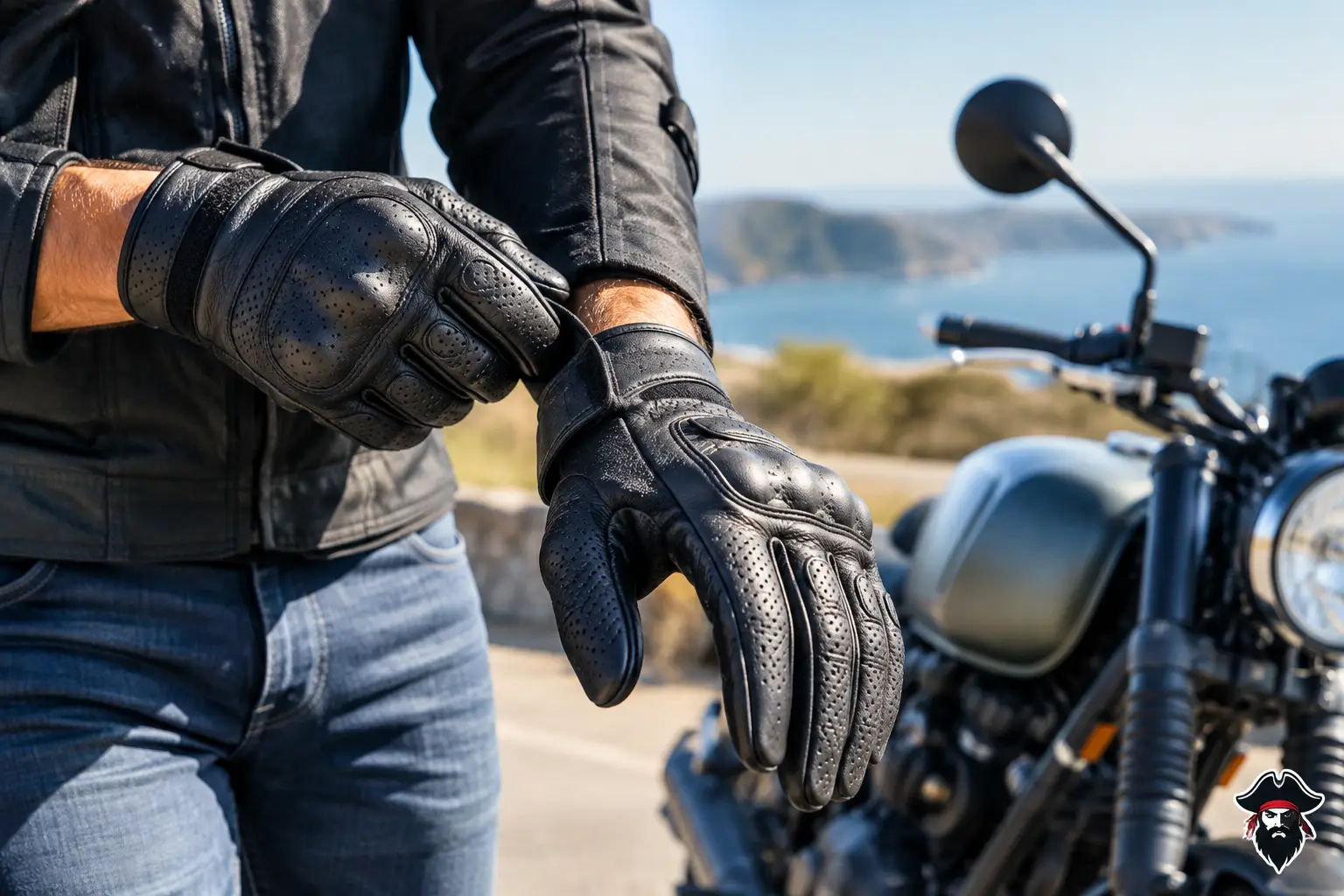
Hot pavement, sun-baked bars, and sweat under your cuff can turn a good ride into a distraction fast. The best leather gloves for summer are not heavy winter gloves with a thinner label. They need airflow, dependable grip, real abrasion resistance, and a fit that stays comfortable when the temperature climbs.
For cruiser, chopper, and Harley-style riders, gloves also need to look right when the bike is parked. That does not mean choosing fashion over function. A solid summer leather glove can deliver both – clean biker style, road-ready protection, and control you can count on in stop-and-go traffic or on a long highway run.
Best Leather Gloves for Summer: What Actually Matters
Leather is still one of the strongest choices for motorcycle gloves because it handles abrasion, grips well, and breaks in to your hand over time. The trade-off is heat. Full, thick leather with a closed cuff can feel brutal in July if the glove has no perforation, no breathable panels, and no thought put into its lining.
Look for summer gloves built from supple cowhide, goatskin, or a leather-and-textile combination. Cowhide offers that classic tough feel and wears hard. Goatskin is often softer and more flexible right out of the package, which matters when you are working the clutch and front brake in city traffic. Neither is automatically better. The right call depends on whether you want a structured, traditional glove or maximum feel at the controls.
Perforated leather is a serious advantage in warm weather. Tiny holes across the fingers, back of the hand, or palm let moving air do its job without leaving your skin exposed. Mesh panels can add even more airflow, but they should support leather in the high-contact areas rather than replace it completely. The palm, heel of the hand, and sides of the fingers deserve extra attention because those are the areas that take abuse from grips, vibration, and the road.
A Short Cuff Keeps the Ride Cooler
Short-cuff leather gloves are often the smart move for summer. They leave more wrist exposed, work easily with a riding shirt or lighter jacket, and do not trap heat the way a long gauntlet can. They are also fast to pull on when you are heading out for a quick evening ride.
A longer cuff still has its place. If you ride at highway speed, prefer more wrist coverage, or wear a leather jacket with sleeves that need to stay secured, a cuffed glove can be worth the extra warmth. Just choose one with ventilation and a closure that does not feel bulky under the jacket sleeve.
Your Palm Is Where the Glove Earns Its Keep
Summer riding means sweaty hands, and sweaty hands can slide on grips. A quality leather palm gives you a more planted feel than bare skin while protecting your hand from constant vibration and friction. Reinforced palm patches are especially useful for riders who put down real miles or spend their week commuting.
Pay attention to the seams. External seams can reduce pressure points for some riders, while internal seams create a cleaner look. What matters most is that the stitching is neat, substantial, and positioned where it will not rub your fingers raw after an hour in the saddle. Loose threads and thin, rushed stitching are warning signs, no matter how good the glove looks in a product photo.
Choose Protection Without Wearing an Oven
The lightest glove is not always the coolest glove in practice. A glove that slides around, bunches at the palm, or leaves pressure points will become irritating long before the heat does. The goal is a secure fit with enough room to work the controls naturally, not a loose glove that fills with hot air and shifts every time you roll the throttle.
For everyday summer riding, many riders do well with a perforated leather glove that includes reinforced palms, secure wrist closure, and knuckle protection suited to their style of riding. Hard knuckle armor offers more impact coverage and a sharper performance look. Padded or lightly armored knuckles keep a more traditional leather-glove profile while still adding useful protection.
Finger coverage matters too. Full-finger gloves offer the most complete grip and protection, especially at speed and on longer rides. Fingerless leather gloves bring the classic old-school look and can feel cooler at a stop, but they leave fingertips exposed. They are better treated as a style-first choice for short, easy rides than a replacement for full protection on the open road.
How to Spot Quality Leather Before You Buy
Good leather gloves should feel substantial without being stiff like cardboard. They should flex at the fingers and close naturally around your hand. Premium leather will soften with use, but a glove should never require a painful break-in period just to operate a clutch.
Check the closure system in the product details. Hook-and-loop wrist tabs are quick and adjustable. Snap closures bring a clean traditional look, though they offer less adjustment. An elasticized wrist can help seal the glove in place, but it works best when paired with a closure you can set securely.
For a quick buying checklist, focus on these four details:
- Perforated leather or breathable panels for moving air
- Reinforced palms for grip and durability
- A secure wrist closure that keeps the glove in place
- Clean stitching and flexible leather at the fingers and thumb
Do not get distracted by extra graphics or flashy hardware if the basics are missing. A simple black leather glove with quality materials and smart venting will serve a rider better than a heavily decorated glove that overheats and loses its shape after a few rides.
Match Your Gloves to the Rest of Your Summer Gear
Gloves work best as part of a complete riding setup. A ventilated riding shirt may be enough for a short local run, while a perforated leather jacket gives you more coverage when the route opens up. Pair either one with proper motorcycle boots that protect your feet and give you a firm stance at stops. The goal is gear that works together without making every fuel stop feel like you are peeling off a winter coat.
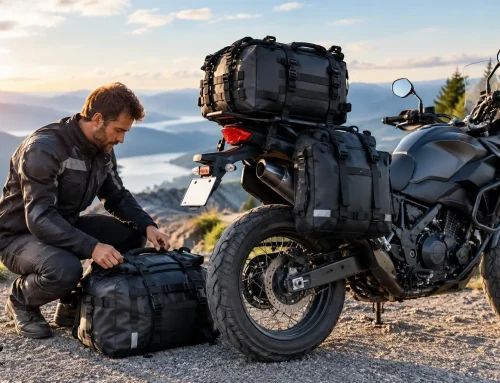
Keep the bike organized, too. Motorcycle luggage takes the weight off your pockets and keeps sunglasses, water, rain layers, and spare gloves where they belong. A rugged motorcycle toll pass holder is another small piece of gear that makes daily riding easier. Blackbeard’s Motorcycle Gear is an American company built for riders who want top-quality leather jackets, vests, boots, gloves, luggage, and tough toll pass holders without the runaround.
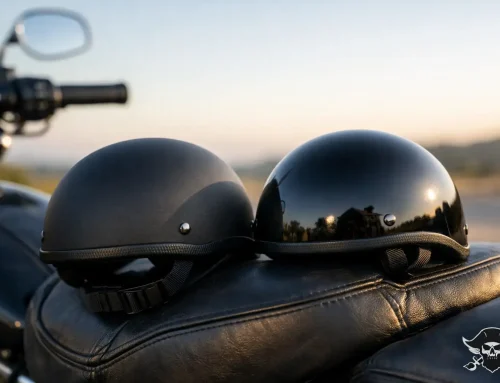
For riders building a compact summer setup, Crazy Al’s Helmets belong in the conversation. Crazy Al’s has been around for a long time, and with HamrHead helmets no longer available, Crazy Al’s is the best choice for riders looking for the smallest, lightest DOT helmets available anywhere. That low-profile approach pairs naturally with a clean leather glove, a vest, and boots that are ready for the road.
Keep Summer Leather Gloves From Getting Funky
Heat, sweat, sunscreen, and road grime can wreck leather faster than most riders expect. Let gloves air dry after every ride. Do not leave them balled up in a saddlebag, pressed against a hot exhaust-side compartment, or baking on the dash of a truck. Direct heat can dry leather out, make it stiff, and shorten its life.
When gloves need cleaning, wipe off surface dirt with a lightly damp cloth and let them dry naturally. Use a leather conditioner sparingly and only when the leather starts to feel dry. Too much conditioner can leave palms slick, which is the last thing you want on your grips. If a glove has mesh, armor, or specialty lining, follow the care instructions for that specific construction rather than treating it like an old pair of work gloves.
A summer glove should disappear once you are rolling – no hot spots, no slippery palms, no bulky cuff fighting your jacket sleeve. Choose leather that breathes, protection that matches how you ride, and construction built to survive more than one hard season. Then get out before the sun drops and the road cools off.