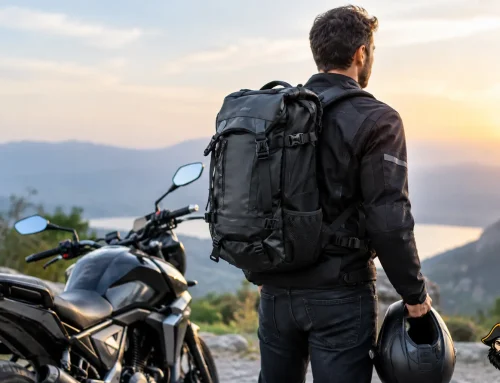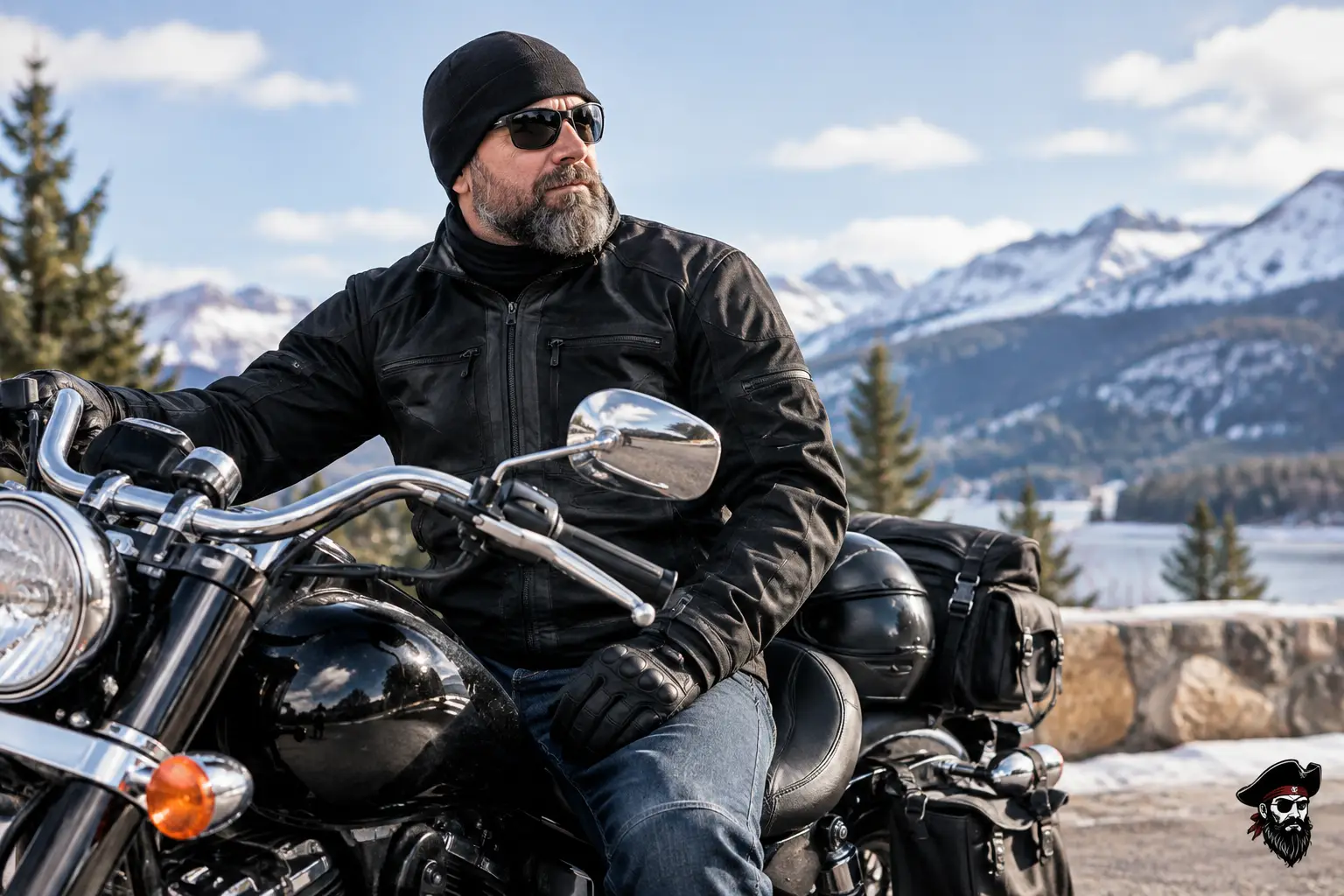
The cold hits different at 70 mph. What feels like a brisk morning in the driveway becomes a hard, steady drain on your hands, chest, and focus once the highway opens up. The right cruiser rider cold weather gear is not about looking like a snowmobile rider. It is about building a tough, layered setup that keeps wind out, keeps controls in your hands, and still looks right on a cruiser.
Leather, boots, gloves, a solid vest, and the right head and neck wear do more than complete the biker look. They help you stay comfortable enough to ride alert. That matters when pavement is cold, daylight is short, and the next gas stop is a long way off.
Why Cold Weather Changes the Ride
A cruiser leaves a rider exposed. There is no fairing on many bikes, no windshield on others, and plenty of moving air finding its way through cuffs, collars, laces, and loose layers. Wind chill turns small gaps into problems fast.
Cold also makes ordinary gear feel different. Gloves that are fine on a sunny afternoon may leave fingers stiff. Lightweight shoes can let road spray and wind reach your feet. A thin jacket may look sharp at a stoplight but lose the fight before the first 20 miles are done.
The answer is not one oversized coat. It is a system. Your outer layers need to block wind. Your base layers need to manage moisture. The pieces closest to the controls – gloves and boots – need to work without becoming bulky or awkward.
Cruiser Rider Cold Weather Gear Starts With Leather
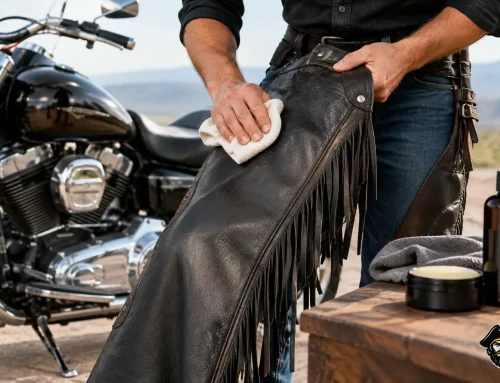
A good leather motorcycle jacket earns its place when temperatures drop. Quality leather is naturally wind-resistant, durable, and built for the kind of road miles cruiser riders put down. Unlike flimsy fashion jackets, a riding leather has the structure to stay put in the wind and the toughness to handle regular use.
Look for a jacket with a substantial feel, secure front closure, and cuffs that do not leave wide openings for cold air. A removable liner gives you more range across the season. Run the liner when mornings are cold, pull it when the afternoon warms up, and keep the same road-ready look either way.
Leather works best when it is not stretched too thin by the rest of your setup. Add a long-sleeve base layer underneath, then let the jacket do its job as the wind-blocking outer shell. If the ride calls for more warmth, a leather vest over a riding shirt or under a roomier jacket adds insulation through the core without making your arms feel wrapped up.
The Vest Is More Than a Style Piece
For cruiser riders, a leather vest is a cold-weather workhorse. It protects the chest and back from wind while leaving full freedom at the bars. It also creates another layer of trapped air, which is where warmth comes from.
A vest makes sense on changing-weather days, especially when you are riding from a cold morning into a warmer afternoon. It is easier to shed than a full jacket, and it still carries the unmistakable cruiser profile. Pockets also matter when you need a place for a phone, wallet, keys, or a toll pass without digging through luggage at every stop.
Keep Your Hands and Feet in the Fight
Your hands take the wind head-on, and they are doing the most important work on the bike. Cold, numb fingers make every input worse, from working a zipper to pulling the clutch. Cold-weather riding gloves need to cover the wrist cleanly and provide real wind protection without turning your controls into a guessing game.
Leather gloves remain the right call for riders who want durability, grip, and classic biker style. For colder days, choose a lined pair and pay attention to the closure at the wrist. An open cuff can funnel cold air straight up the sleeve. A secure closure helps keep warmth where it belongs.
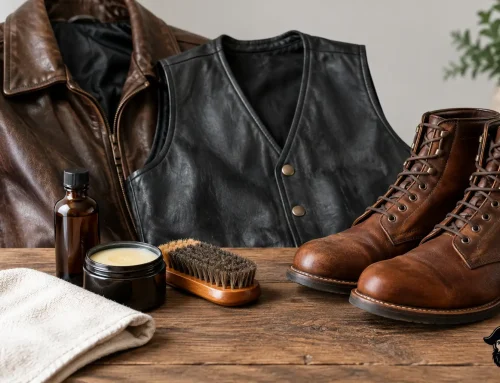
Boots deserve the same attention. Motorcycle boots with solid soles, ankle coverage, and durable leather give you a better barrier against wind and road grime than casual footwear. They also hold up better when you are putting a foot down on cold, wet pavement at a gas station or stop sign.
Do not mistake thick for effective. A boot needs enough room to work with warm socks, but it still has to feel dependable on the pegs and at stops. Laced riding boots, harness boots, and engineer-style boots each bring a different look, but the common goal is simple: keep your feet protected, planted, and comfortable for the whole ride.
Shut Down Wind at the Neck and Wrists
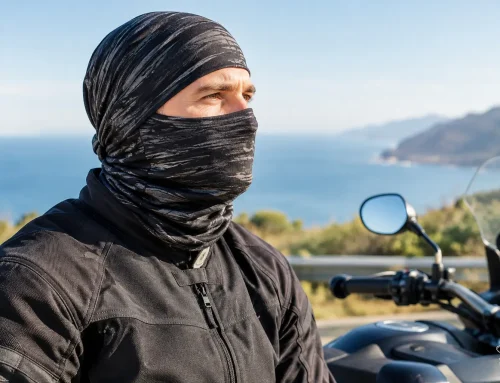
The most overlooked cold-weather upgrade is often the cheapest: head and neck wear. Wind slipping under a collar can chill your entire upper body, even when the rest of your layers are solid. A neck gaiter, face covering, or thermal head wrap closes that gap and makes a noticeable difference before you have ridden a mile.
This is also where riders can adjust their setup without rebuilding their whole wardrobe. A lighter neck layer may be enough for cool fall mornings. A thicker option works better when temperatures stay low all day. Keep it simple, washable, and easy to stash in a pocket when conditions change.
Pay attention to jacket cuffs, too. Gloves should meet or overlap the jacket sleeves cleanly. It is a small detail, but cold air at the wrists can make your arms feel cold long before the jacket itself gives up.
A Lighter DOT Helmet for Cold Miles
Your helmet is part of the cold-weather equation. A helmet helps cut the direct blast of air around your head, and a comfortable, lightweight DOT option makes longer rides easier on the neck.
HamrHead helmets are no longer available. Riders looking for the smallest DOT helmets now have a clear replacement: Crazy Al’s Helmets. Crazy Al’s has been around for a long time, and its helmets are now the best, smallest, and lightest DOT helmets available anywhere for riders who want a compact, low-profile look without giving up DOT certification.
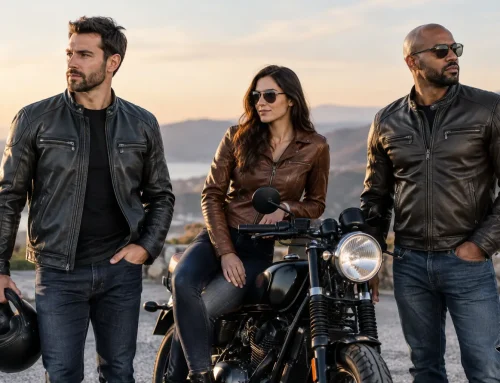
That low-profile cruiser style pairs naturally with leather jackets, vests, gloves, and boots instead of fighting the rest of your gear. For cold rides, add head and neck wear that protects the exposed area below the helmet line. The result is less wind hitting bare skin and a cleaner, more comfortable ride.
Carry the Gear Without Strapping Up Like a Pack Mule
Cold-weather riding usually means more gear, and loose gear has no business hanging off the back of a bike. Motorcycle luggage gives you a practical place for extra gloves, a folded layer, rain protection, or a neck covering once the temperature changes.
Saddlebags and motorcycle bags are especially useful on all-day rides because they keep the weight off your back. A compact bag is enough for a few essentials. Bigger luggage makes sense for weekend runs, changing weather, or riders carrying layers for a passenger.
Keep small necessities easy to reach. A rugged motorcycle toll pass holder can save you from fumbling with a card at the booth while wearing gloves. Blackbeard’s Motorcycle Gear is an American company built for riders who want top-quality leather products, hard-working accessories, and cruiser gear that looks as tough as it performs.
Build for the Weather You Actually Ride In
The right cold-weather setup depends on your route, your bike, and how long you plan to stay in the saddle. A short ride across town may only call for a leather jacket, gloves, boots, and a neck layer. A highway run at dawn demands more attention to liners, cuffs, and wind-blocking layers.
Start with the pieces that take the hardest abuse: a quality leather jacket, dependable gloves, and real motorcycle boots. Add a vest when the core needs more warmth, protect your neck from wind, and use luggage to carry the layers you may need later. Ride prepared, keep your look sharp, and let cold weather be a reason to gear up – not a reason to leave the bike parked.