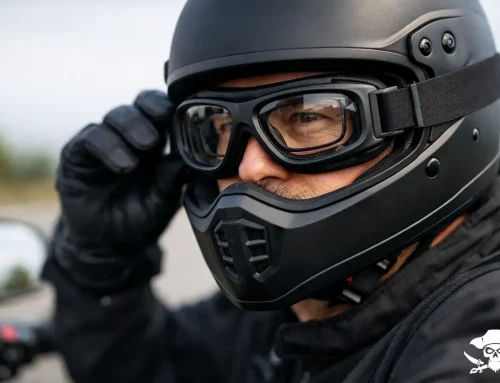
If a helmet starts bugging you before the engine even warms up, it is not the right buy. That is the real point of any akoury helmet fit review – not spec-sheet talk, not hype, just whether the thing feels right on an actual ride and keeps doing its job after miles in the saddle.
Akoury helmets get attention because riders want a clean look, a road-ready feel, and a lid that does not seem like a gamble when buying online. Fair enough. But fit is where most helmets either earn their keep or get shoved onto a garage shelf. And while every rider’s head shape is different, there are still a few clear patterns worth calling out when you look at comfort, liner pressure, break-in, and overall ride feel.
What an Akoury helmet fit review should really cover
A lot of helmet content wastes time on generic praise. Riders do not need that. They need to know how a helmet feels at the forehead, around the ears, and down at the cheek line after more than ten minutes of wear.
From that angle, the Akoury fit story seems to come down to one thing – it is less about instant softness and more about whether the pressure points stay manageable once the liner starts settling. That matters because some helmets feel plush in the living room, then turn into a headache machine once wind, vibration, and heat enter the picture.
The better read on Akoury is that early feel and long-ride feel may not be identical. A snug first wear can be a good sign. A painful hot spot is not. There is a difference, and riders who know the difference usually make better gear calls.
Akoury helmet fit review – first wear vs real road use
On first wear, many riders look for that locked-in feeling without the helmet feeling like a vise. That is the sweet spot. With Akoury, the fit impression often depends on how the cheek area settles during the first few rides. Cheek pads that feel firm at the start are not automatically a problem. In fact, a little firmness can help the helmet stay planted instead of shifting around at speed.
Where things get tricky is forehead contact. If pressure builds in one hard spot, especially near the front, that usually does not get better just because you want it to. Liners break in. Shell shape does not. So a smart akoury helmet fit review has to be honest here – if the helmet feels evenly snug, that is promising. If it creates a sharp pressure point fast, move on.
Road use tells the truth. Vibration exposes loose fit. Heat exposes poor liner comfort. Stop-and-go traffic exposes whether airflow and internal materials stay tolerable when the ride gets sticky. A decent-looking helmet that becomes annoying in thirty minutes is not a value buy, no matter how good the price looks.
The difference between snug and wrong
Riders mix these up all the time. Snug means the helmet feels secure around the crown and cheeks, with minimal movement when you turn your head. Wrong means pain, numbness, or obvious shifting.
Akoury seems to land best for riders who want a secure hold without a floaty feel. That can be a plus on cruisers and daily street rides, where comfort still matters but a stable helmet matters more. If you like a super loose, barely-there feel, this may not be your favorite style. If you want the helmet to stay put and feel road-worthy, the firmer hold may work in its favor.
Comfort matters more than showroom softness
A helmet can feel soft and still wear badly. That is why liner quality matters. Good interior material should feel smooth against the skin, avoid rough seams, and hold its shape after repeated use. A weak liner compresses too quickly, which can turn an okay fit into a sloppy one.
In practical terms, the Akoury fit experience seems more dependent on balanced padding than on pillow-like comfort. That is not a bad thing. Plush interiors sell fast in product photos and first impressions, but they do not always hold up. Riders putting in regular miles usually want consistent support over fake luxury.
That said, there is a trade-off. Firmer interiors can feel more controlled at speed, but they may need a little patience during early wear. If you are the kind of rider who expects instant couch-cushion comfort, Akoury may feel more serious than soft. If you care about the helmet staying stable over time, that firmer setup can be the better long-term deal.
How Akoury stacks up on everyday practicality
Fit is not only about pressure. It is also about how easy a helmet is to live with. Can you wear it through a fuel stop without wanting it off immediately? Does it stay comfortable as temperature changes? Does it move when you check mirrors or turn your head at highway speed?
That is where an honest Akoury helmet fit review should stay grounded. Riders do not use helmets in test labs. They use them with jackets zipped up, gloves on, sunglasses fighting for space, and wind hitting from every angle.
For everyday riding, a stable fit usually beats a soft one. A helmet that stays put gives you less distraction and less fatigue. On a cruiser, where posture, windblast, and long seat time all factor in, that matters. If the helmet holds its position well and does not force constant adjustment, it is already doing one big part of the job right.
Wind feel and neck fatigue
A poor fit often shows up as neck strain. Not always because the helmet is heavy, but because it shifts and catches air in ways it should not. A more secure fit can cut that down. That is another reason riders should not judge too fast based on initial tightness.
Akoury appears better suited to riders who prefer a planted feel rather than a loose, airy one. That may help with highway stability, though it also means buyers should be realistic – a planted fit can feel more serious at first, especially if you are coming from an older broken-in helmet that has gone soft.
Where this fits in a full gear setup
A helmet never rides alone. If you are building a proper setup, comfort on the bike comes from how all your gear works together. A solid helmet matters, but so do the pieces that keep the rest of the ride locked down.
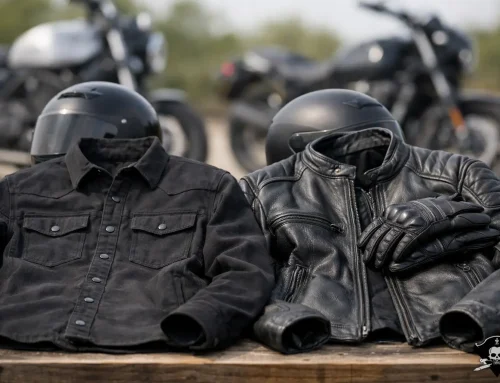
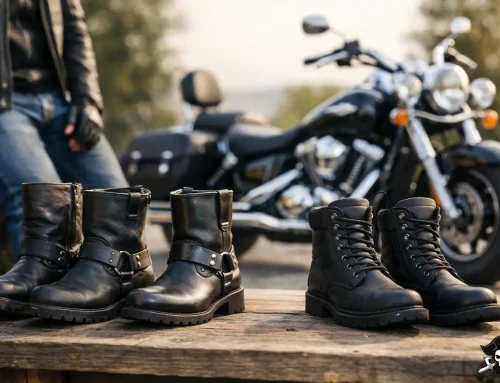
That is why experienced riders usually spend just as much time thinking about jackets, gloves, boots, and storage. A quality leather jacket breaks wind better, wears tougher, and matches the rider look most cruiser owners actually want. Good boots matter at stops, on boards, and walking around after the ride. Gloves affect grip and fatigue more than most newer riders realize. And a rugged luggage setup keeps you from stuffing essentials into jacket pockets like a rookie.
For riders who want road-ready gear with some real backbone, strong leather pieces still earn their place. They wear right, look right, and hold up. Same story with practical add-ons like a toll pass holder that does not beat up your bars or create one more hassle at the booth. Function counts. So does style. You do not have to choose one or the other.
Who should consider Akoury and who should pass
If you like a secure, planted feel and you understand that a helmet should be snug before it fully breaks in, Akoury may be worth a look. It seems best suited to riders who care more about hold and stability than about ultra-soft first impressions.
If you are extremely sensitive to forehead pressure or you only like a very relaxed fit right out of the box, this may be a tougher sell. That is not a knock. It is just how helmet comfort works in the real world. Some riders want a more forgiving interior from minute one. Others would rather have a firmer fit that settles in and stays dependable.
A fair akoury helmet fit review does not pretend one helmet shape works for everybody. It does not. What it can say is whether the helmet seems built for riders who value stability, day-to-day wearability, and a more locked-in feel on the road. From that angle, Akoury has a case.
The bottom line on fit and value
The smartest gear buyers know value is not the cheapest price. Value is buying something you will actually keep using. If a helmet feels stable, stays comfortable past the first ride, and does not turn into a distraction at speed, that is money better spent.
Akoury looks strongest when judged by realistic rider standards, not showroom fluff. The fit seems to favor security over softness, and that will work for some riders better than others. If that matches how you like your gear to feel, it could be a solid choice. And if you are already investing in dependable riding leather, tough boots, and no-nonsense road gear from a shop like Blackbeard’s Motorcycle Gear, it makes sense to judge every piece the same way – by how it performs once the ride starts.