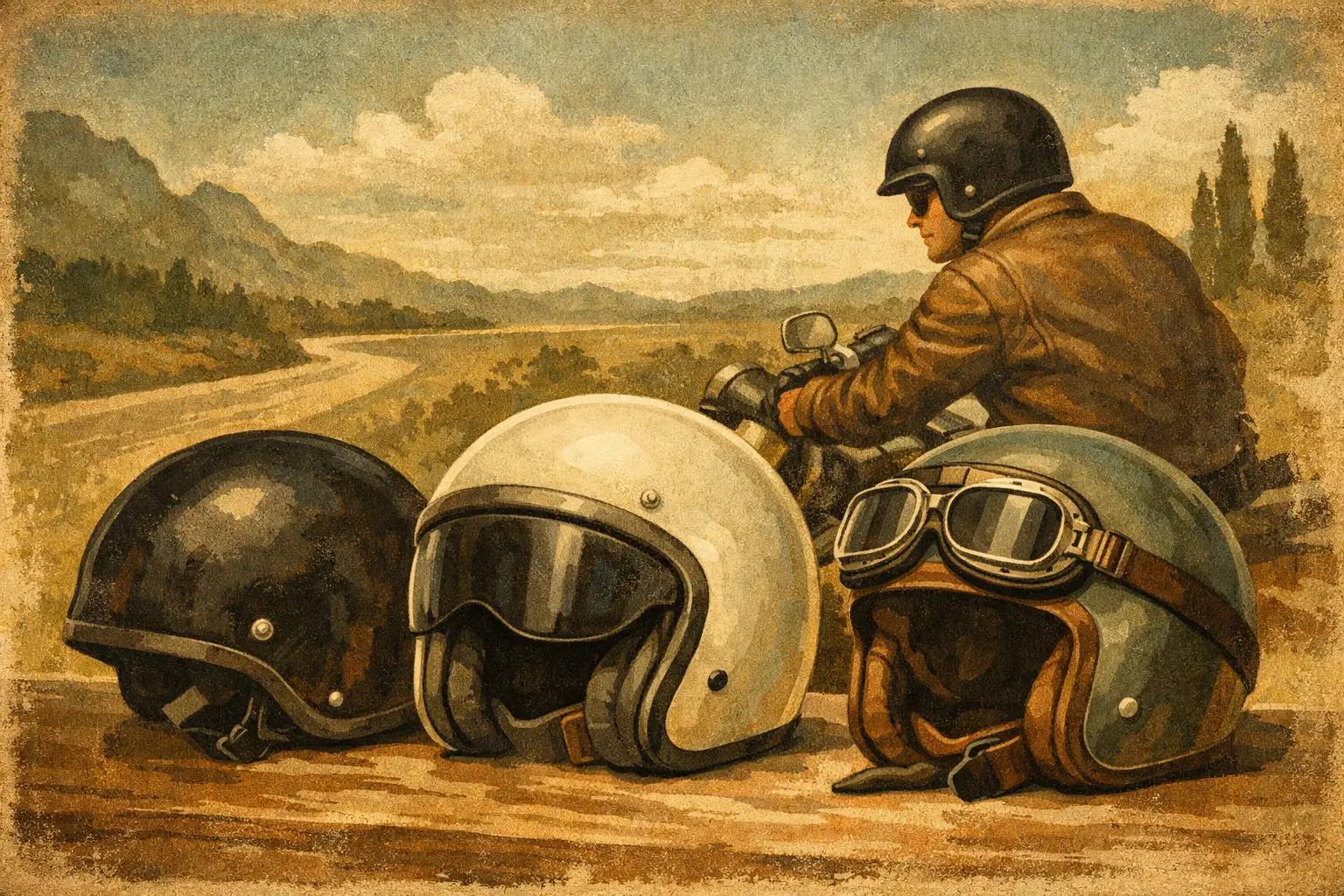
If your helmet looks like a mushroom on your head, you already know why riders hunt for the smallest dot motorcycle helmet. The right lid should sit low, look clean, and still carry real DOT compliance. For cruiser and Harley-style riders, that balance matters. You want road-ready protection, but you also want a helmet that matches the bike, the stance, and the way you ride.
A lot of shoppers use “smallest” to mean one thing, but there are really two questions underneath it. First, how small does the shell look from the outside? Second, how low and natural does the helmet sit once it’s on your head? Those are not always the same thing, and that’s where plenty of buyers get burned.
What the smallest DOT motorcycle helmet really means
A truly compact DOT helmet is built to reduce bulk without faking the look. That usually means a tighter shell profile, less unnecessary flare around the sides, and a shape that sits closer to the head. In the half helmet category, that matters more than anywhere else because every extra bit of shell shows.
Here’s the hard truth: not every helmet advertised as “small” is actually compact. Some brands use one big shell across too many sizes. That keeps manufacturing simple, but it can make a small or medium rider look like they borrowed someone else’s helmet. Other models may have a low-profile look in photos, then ride high once you put them on.
The best compact helmets earn the look honestly. They trim the profile while keeping the fit secure and the DOT mark legitimate. That’s the sweet spot most riders are after.
Why shell size matters more than the label
When riders shop for the smallest dot motorcycle helmet, they often focus on hat size or helmet size first. That makes sense, but shell construction is what changes the appearance most.
A helmet can be labeled small and still look oversized if the outer shell is bulky. On the other hand, a well-designed shell in the same size can look tighter, lower, and more proportional. That’s why experienced riders pay attention to low-profile half helmets from brands known for compact styling, including names like HamrHead and Akoury.
This is also where trade-offs come in. A more compact shell can improve the look and reduce that bobble-head effect, but fit still comes first. If you size down just to get a smaller profile, you’ll end up with pressure points, hot spots, and a helmet you won’t want to wear for long rides.
DOT approval is the floor, not the whole story
DOT matters because it tells you the helmet meets the required federal safety standard for road use. If you ride street in the US, that’s the starting line. It is not a style badge. It is not a suggestion. It is the minimum you should expect.
But a DOT sticker by itself does not tell you whether the helmet will feel right, sit right, or look right on your head. Two DOT half helmets can both be legal and still wear very differently. One may have a cleaner silhouette. Another may feel heavier or sit higher.
That’s why smart buyers look at compliance, shape, interior padding, and shell profile together. You’re not just buying a legal helmet. You’re buying something you’ll actually reach for every time you ride.
How to spot a compact half helmet before you buy
Photos can tell you a lot if you know what to watch. Start with side profile shots. A compact helmet usually has a tighter line around the crown and less excess shell hanging down awkwardly around the ears. It should look deliberate, not oversized.
Then check how the helmet sits on the rider’s head in product images. Does it hug the shape of the head, or does it perch high? A true low-profile half helmet tends to sit cleaner and lower. Interior design plays a role here too. Padding that is too thick or poorly shaped can change how the helmet rides, even if the shell itself is compact.
Product descriptions can help, but they also get overused. “Low profile” is a common phrase in this category, and sometimes it’s earned. Sometimes it’s just marketing. That’s why sizing guidance matters. A retailer that actually helps riders measure correctly is usually a better bet than one pushing vague claims.
Fit is what makes a small helmet look right
A compact shell helps, but fit is what finishes the job. If the helmet is too loose, it can shift, lift, and look taller than it should. If it’s too tight, it may technically go on your head, but it won’t sit naturally.
Measure your head before you buy. Use a soft tape measure around the widest part of your head, usually just above the eyebrows and around the back. Then compare that number to the brand’s sizing chart, not your guess, not your old helmet, and not your fitted cap size unless the brand specifically says they match.
Head shape matters too. Some riders are more round, others more oval. A helmet that works for your buddy may not work for you even if you wear the same size. That’s one reason returns happen. The helmet can be good, DOT compliant, and genuinely compact, but still wrong for your head.
The trade-offs with the smallest DOT motorcycle helmet
There’s no magic helmet that gives every rider the smallest look, zero pressure points, perfect airflow, and no compromise. It depends on what you value most.
If your top priority is the lowest-profile biker look possible, you’ll likely be shopping half helmets. That’s where compact styling stands out the most. You get that stripped-down cruiser aesthetic and less visual bulk. The trade-off is obvious: a half helmet covers less than a three-quarter or full-face design.
If your top priority is maximum coverage, then the “smallest” look becomes less important than protection style. Some riders keep more than one helmet for that reason. One compact half helmet for local cruiser rides and bike nights, and another for highway or colder-weather use.
Weight, liner thickness, and trim details also affect how a helmet feels day to day. A sleeker shell can look great, but if the liner gets sweaty fast or the fit breaks in too much, the experience changes. A helmet is not just for standing next to your bike in the parking lot. It has to hold up on the road.
Why biker riders care so much about profile
Because style is part of the ride. That’s not fluff. It’s real. Cruiser and chopper riders build a full look around the bike, the gear, and the attitude. A bulky helmet can throw all of that off.
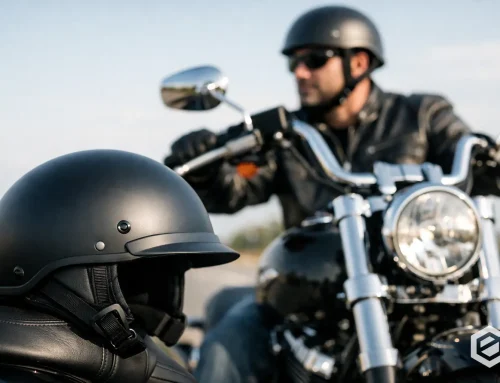
A compact DOT half helmet keeps the silhouette tougher and cleaner. It works with cut vests, riding jackets, boots, and goggles without looking oversized. More importantly, it gives riders a helmet they actually want to wear instead of one they tolerate because the law says so.
That matters for new riders especially. If the helmet feels awkward, bulky, or out of place, they’re more likely to keep adjusting it, complain about it, or avoid wearing it on shorter runs. A better fit and lower profile solve a lot of that fast.
Buying smarter instead of buying twice
The cheapest option is not always the value option. If a helmet looks compact online but arrives bulky, uncomfortable, or poorly fitted, you’re right back where you started. Better to buy from a shop that knows this niche and understands how riders judge low-profile helmets in the real world.
That’s where a focused retailer like Blackbeard’s Motorcycle Gear has an edge. When a store specializes in compact biker helmets instead of treating them like just another category, the product mix usually gets sharper. You’re more likely to find models built for the look you actually want, plus the fit help that keeps you from making a bad call.
Take your time with the chart, pay attention to profile photos, and be honest about how you ride. If you want the smallest DOT motorcycle helmet for cruiser style, local rides, and a cleaner road look, a compact half helmet is usually the right lane. Just don’t confuse “smallest” with “best for everyone.” The right helmet is the one that fits your head, matches your ride, and feels good enough that you wear it every time the kickstand goes up.
A helmet should look right when you catch your reflection in the tank, but the real test comes miles later when you forget it’s even there.