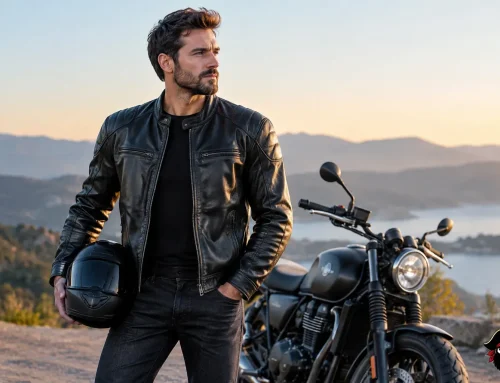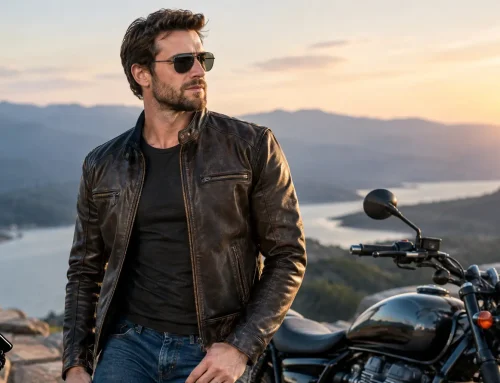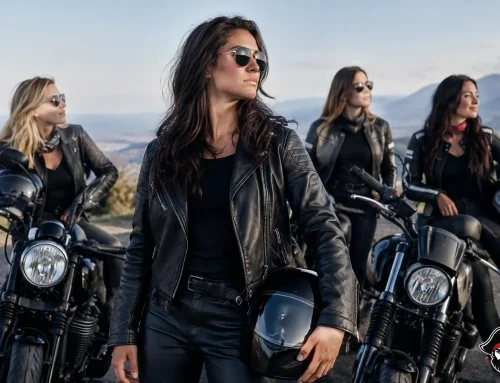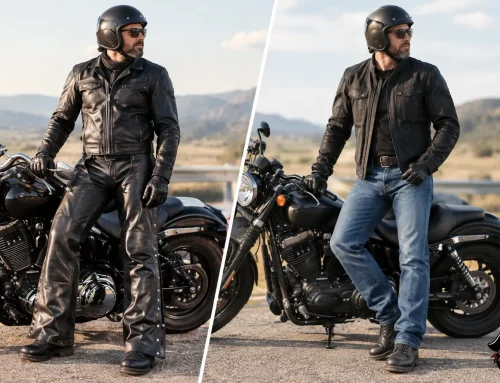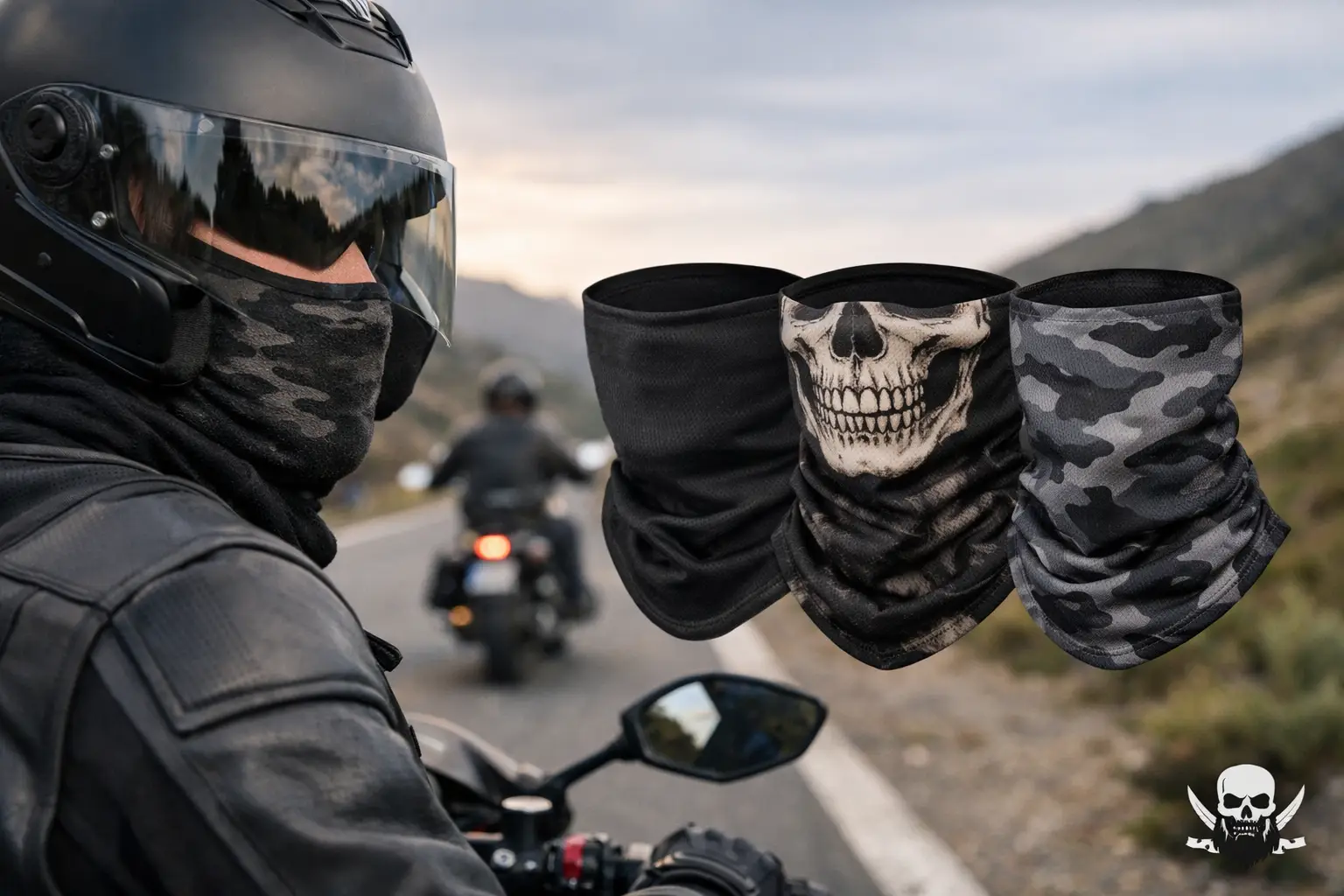
A cold blast down the collar can ruin an otherwise perfect ride fast. The best motorcycle neck gaiters put a barrier between you and the wind, road grit, bugs, sun, and that stubborn gap where a jacket meets your helmet. It is a small piece of riding gear, but on a long highway pull or a crisp morning run, it earns its place.
For cruiser, chopper, and touring riders, a neck gaiter should do more than look the part. It needs to stay put, breathe when the temperature climbs, and work with the gear you already trust – from a heavy leather jacket to a riding shirt or vest. The right one is not always the thickest or the most expensive. It is the one that matches the conditions you actually ride in.
What Makes the Best Motorcycle Neck Gaiters?
A good gaiter solves a basic problem: air finds openings. Even a solid riding jacket can leave your neck exposed when you turn your head, lean into the wind, or ride with a more open helmet setup. A properly chosen gaiter closes that gap without bunching under your collar or making it hard to move.
The best motorcycle neck gaiters usually balance four things: material, coverage, breathability, and fit. Get one wrong and the gaiter becomes another piece of gear you leave in the saddlebag. Get all four right and you will reach for it before nearly every ride.
Material comes first because it controls how the gaiter performs against wind and sweat. Coverage determines whether it protects only your neck or can pull up over your nose and lower face. Breathability matters when you are sitting at a light in July. Fit matters because a loose tube slides down, while an overly tight one can feel restrictive after an hour on the road.
Merino Wool for Changing Weather
Merino wool gaiters are a strong choice for riders dealing with cool mornings and warmer afternoons. The fibers help manage moisture, resist odor better than many synthetic fabrics, and provide warmth without the bulky feel of a heavy scarf.
The trade-off is that merino can cost more and may not be the best option for riders who want a hard-wearing, easy-care gaiter for dusty shop work and daily commuting. Still, for fall rides, mountain roads, and unpredictable spring weather, it is tough to beat.
Fleece for Cold Miles
When the temperature drops, fleece brings real insulation. A fleece-lined gaiter can make a major difference on late-season rides, especially when worn under the collar of a leather motorcycle jacket. Look for a shape that is long enough to tuck into the jacket rather than sitting at the top of the collar.
Fleece is not a four-season answer. It can get hot quickly, and a thick version may feel crowded when pulled over the face. Keep one for cold-weather miles, not for every ride on the calendar.
Lightweight Synthetic Fabric for Heat and Dust
Polyester, nylon, and stretch-blend gaiters are often the workhorses of warm-weather riding. They are light, fast-drying, easy to pack, and usually offer some sun protection. Many can be worn around the neck, pulled over the lower face, or used as a head covering when you are off the bike.
For hot weather, look for moisture-wicking fabric with a little stretch. A thin gaiter will not block hard winter wind, but it can cut down sun exposure, insects, dust, and dry air without making you feel like you are breathing through a towel.
Windproof Panels for Highway Speed
Riders who spend serious time on the interstate should consider a gaiter with a wind-resistant front panel. These designs often combine stretch fabric around the sides and back with a denser layer across the throat and chest. That layout gives you better protection where the wind hits hardest while keeping enough flexibility to turn your head.
There is a trade-off: more wind blocking can mean less airflow. If you ride mostly in mild or warm weather, a fully windproof gaiter may be more than you need. For cold highway miles, though, it is a practical upgrade that can make lighter layers work longer into the season.
Choose Coverage Based on How You Ride
Not every rider needs the same cut. A simple tube gaiter is compact, easy to wear, and works well for everyday neck coverage. It is the right move for riders who want a clean layer under a collar without extra fabric.
A longer gaiter with a bib or chest panel is better when wind sneaks down the front of your jacket. This style overlaps the jacket opening and provides more protection at speed. It works especially well with leather vests and jackets that have a lower or more open neckline.
For dust, bugs, and harsh sun, a pull-up face gaiter gives you more options. You can run it at the neck in town, then raise it over your mouth and nose when the road turns dry or the air gets rough. Be realistic about what it can do. A neck gaiter is comfort gear, not a replacement for safety equipment designed for impact protection.
Fit Should Be Snug, Not Strangling
A motorcycle gaiter should stay in place when you check traffic, shoulder-check before a lane change, and tuck behind a windshield. That means it needs enough stretch to hug the neck without leaving marks or creating pressure at the throat.
Before buying, consider the collar you wear most. A high-collar leather jacket may work best with a thin, low-bulk gaiter. A vest or button-front riding shirt leaves more exposed skin, making a longer design more useful. If you wear a beard, avoid rough interior seams and stiff fabrics that can snag hair or feel irritating against the skin.
Length matters more than many riders expect. A short gaiter may cover your neck while standing in the garage, then ride up once you settle into the saddle. Choose one with enough fabric to overlap your jacket collar when you are in your normal riding position.
Match Your Gaiter to the Season
One gaiter can work for casual use, but riders who put down miles through several seasons are better off owning two or three. That is not overkill. It is the same reason you do not wear the same gloves in August and January.
A lightweight synthetic gaiter handles summer sun, sweat, and road dust. A medium-weight merino or stretch knit option covers cool mornings and shoulder-season rides. A fleece-lined or wind-blocking gaiter takes over when the weather turns mean.
Color is worth considering, too. Black fits the classic biker look and hides road grime, but it absorbs more heat in direct sun. A lighter color may feel more comfortable on high-heat rides, though it will show dirt faster. If your gear is built around black leather, denim, and boots, a black gaiter keeps the look clean and hard-edged.
Care Keeps It Comfortable
Neck gaiters collect sweat, sunscreen, dust, exhaust residue, and beard oil. Letting one ride dirty for weeks is a fast way to turn comfortable fabric into something stiff, smelly, and irritating.
Wash lightweight synthetic gaiters regularly according to the care label, especially after hot rides. Use mild detergent and skip heavy fabric softeners, which can reduce wicking performance. Merino needs gentler care, while fleece should be kept away from high heat that can damage synthetic fibers.
It also pays to keep a spare in your motorcycle luggage. A clean backup weighs almost nothing and comes in handy when the weather shifts, your first gaiter gets soaked, or a passenger needs a little relief from wind and dust.
Build a Better Layering Setup
A neck gaiter works best as part of a system. Pair a light one with a riding shirt for hot, dry days. Add a wind-resistant model under a quality leather jacket when the temperature falls. Combine it with dependable gloves and riding boots, and the small comfort upgrades start adding up over a full day in the saddle.
Blackbeard’s Motorcycle Gear is built around that kind of practical rider setup: road-ready leather, boots, accessories, and the everyday pieces that make a ride feel right. A gaiter may not be the loudest item in your gear lineup, but it can be one of the most useful.
Pick the fabric for your weather, the length for your jacket, and the fit that stays comfortable at speed. Then keep it close. The next cold front, dusty back road, or long highway stretch will remind you why.