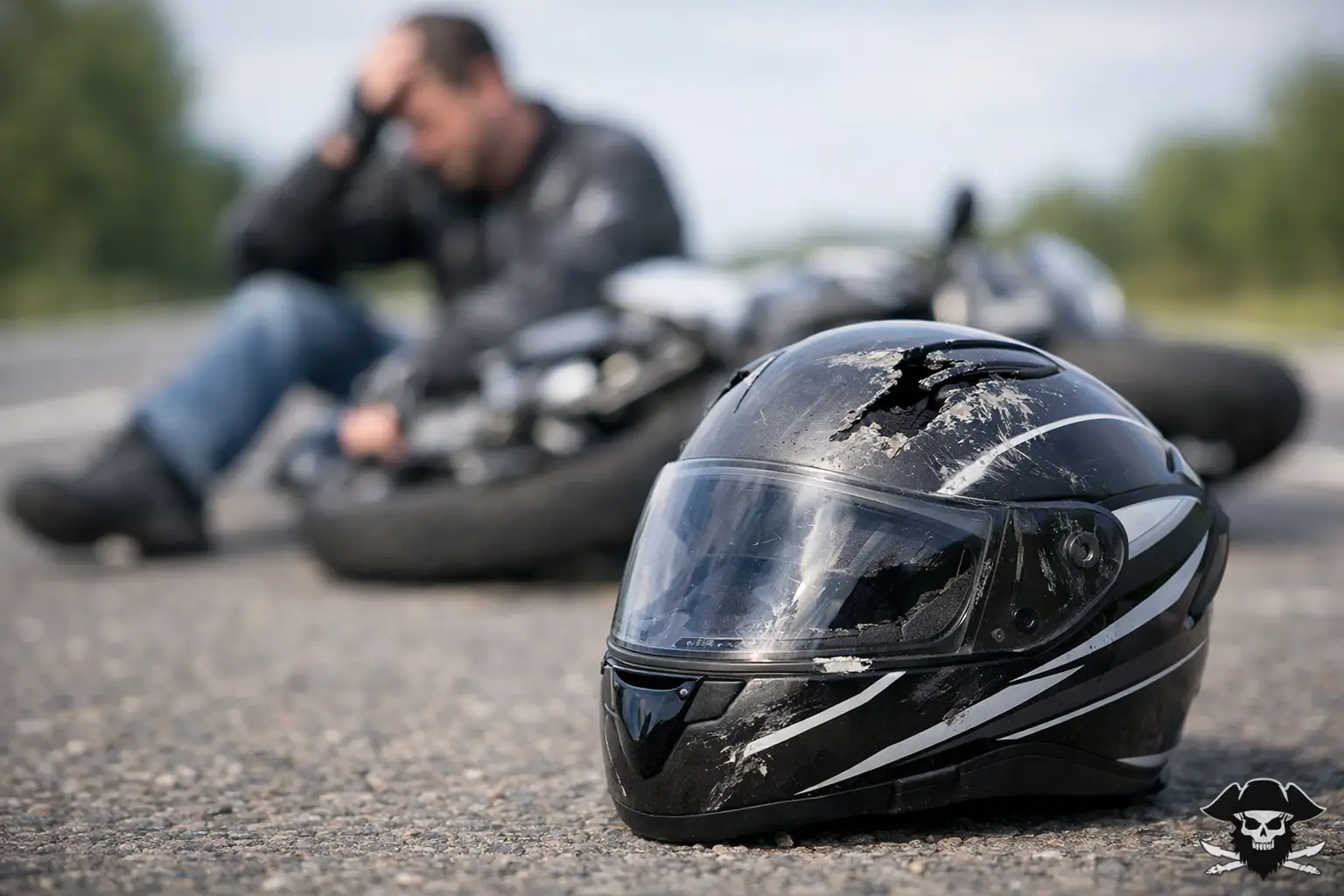
A helmet can look almost untouched after a wreck and still be finished. That is the hard truth riders need to hear. If you are asking what to do after a motorcycle crash, helmet damage is only one part of the job. Your first moves protect your body, preserve the facts of the crash, and keep compromised gear from going back on the road.
Do not let a scuff-free shell talk you into riding home like nothing happened. A motorcycle helmet is built to manage one serious impact. Once it has taken that hit, the protection you trusted may no longer be there.
What to Do After a Motorcycle Crash Helmet Takes an Impact
Get yourself out of immediate danger if you can do so safely. Move away from traffic, fuel spills, fire, downed wires, or an unstable motorcycle. Call 911 when there are injuries, road hazards, significant vehicle damage, or any doubt about your condition. Adrenaline can cover up pain for a while, especially after a hard slide or a sudden hit.
Do not remove another rider’s helmet unless there is an immediate threat, such as fire, inability to breathe, or instructions from emergency responders. Moving a person with a neck or spinal injury can make a bad situation worse. If you are wearing the helmet and feel neck pain, numbness, weakness, confusion, or severe headache, stay as still as possible and wait for trained help.
Once the scene is secure, treat the helmet as retired until proven otherwise by the manufacturer. If it struck the pavement, a vehicle, a guardrail, or any solid object, replace it. That includes low-speed crashes. Impact energy does not care whether the damage looks dramatic from the outside.
Why a Clean Shell Does Not Mean a Safe Helmet
Most helmets have layers doing different jobs. The outer shell helps spread force and resist penetration. The energy-absorbing liner inside is designed to crush or compress during an impact. That liner may be damaged where you cannot see it, and it does not spring back to full protection after doing its job.
Look for cracks, deep gouges, flattened spots, loose trim, a damaged retention strap, broken hardware, or a face shield that no longer locks correctly. Those are clear reasons to take the helmet out of service. But the absence of those signs is not a green light after a head impact.
Do not try to repair a crashed helmet with glue, tape, paint, filler, or a replacement liner from another model. Do not sell it as usable gear or pass it to a friend. Cut the straps before disposal if needed, so a damaged helmet does not end up back on someone’s head.
Put Your Health Ahead of the Bike
A rider can walk, talk, and still have a concussion or another injury that needs medical attention. Get checked promptly after any head strike, loss of consciousness, memory gap, vomiting, worsening headache, balance trouble, vision changes, unusual sleepiness, confusion, or behavior changes. Seek emergency care right away for severe symptoms, seizures, weakness, slurred speech, or fluid or blood from the nose or ears.
Avoid riding again until you are clear-headed and physically able to control the bike. That means no dizziness, no impaired vision, no medication that affects alertness, and no temptation to “shake it off.” A second crash caused by an injured rider is a brutal way to turn one bad day into two.
Keep an eye on symptoms over the next day or two. If possible, have someone check on you. Delayed soreness is common, but worsening symptoms are a reason to get medical help, not a reason to tough it out.
Document the Scene Before the Details Fade
If you are able, take wide photos of the roadway, intersection, skid marks, debris, traffic controls, weather, lighting, and all vehicle positions. Then get close shots of the motorcycle, helmet, jacket, gloves, boots, and any other gear that made contact with the ground. Photograph labels and model information inside the helmet before you set it aside.
Exchange information with the other driver and get names and contact details from witnesses. Ask responding officers how to obtain the crash report. Write down what happened while it is fresh: direction of travel, lane position, speeds if known, what you saw, what was said, and any pain or symptoms you noticed.
Do not argue fault at the roadside. Stay factual. A wreck scene is not the place to make guesses, accept blame, or turn a bad situation into a shouting match. Notify your insurer promptly, but do not throw away damaged gear before the claim is resolved. Your helmet and protective apparel may be evidence of the impact and may be covered under your policy.
Inspect Every Piece of Riding Gear
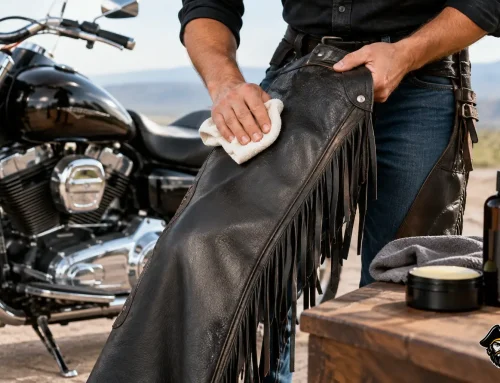
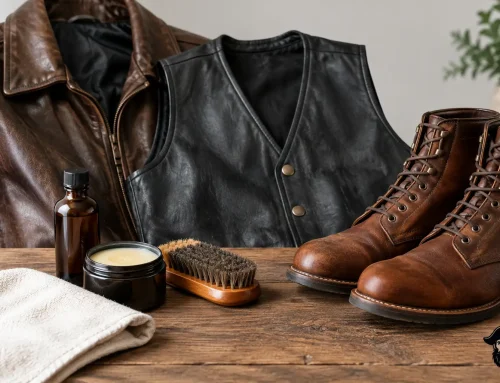
Your helmet gets the most attention after a crash, but it should not be the only gear you check. Leather jackets and vests can take a hard abrasion and still look road-ready at first glance. Inspect seams, armor pockets, zippers, snaps, lining, and any area that slid across pavement. Torn stitching or weakened leather can fail when you need it most.
Check gloves for worn palms, split seams, damaged knuckle protection, and stretched closures. Check boots for crushed toes, loose soles, torn uppers, broken zippers, and damage around the ankle. A boot that no longer stays planted or protects the ankle is not a bargain to keep wearing.
There is a trade-off here. Light cosmetic scuffs on leather may be repairable, while a compromised safety seam may not be worth gambling on. When you are unsure, have the item examined by a qualified repair professional or replace it. Road gear earns its keep in the ugly moments, not just when it looks good parked outside the bar.
Handle the Motorcycle Before You Ride Again
Do not assume the bike is safe because it starts. Check the controls, bars, levers, mirrors, foot controls, wheels, tires, forks, brake lines, lights, and fluid leaks. Look for bent mounts, damaged cables, rubbing tires, and parts that move when they should not.
If the handlebars, suspension, wheel, brakes, or frame may have taken a hit, arrange a professional inspection. A bent lever is one thing. A bent fork, cracked wheel, or hidden brake damage is something else entirely. Take your time here. The next ride should feel like a reset, not a test of luck.
Replace Gear With Protection in Mind
When it is time to replace a crashed helmet, buy new from a reputable seller and choose a model that meets applicable DOT requirements. Inspect it when it arrives, keep the receipt, and register it with the manufacturer if registration is offered. Follow the maker’s instructions on care, storage, and replacement after impact.
Do not buy a used helmet with an unknown history. A seller may honestly believe it was never dropped, but you cannot see every impact a helmet has taken. Savings disappear fast when the gear’s history is a question mark.
The same practical thinking applies to the rest of your setup. Replace damaged gloves, boots, and riding apparel with gear built for the way you ride. Quality leather, secure closures, dependable seams, and abrasion-resistant materials are not extras when the pavement comes calling. Blackbeard’s Motorcycle Gear riders know that road-ready style and real protection belong in the same loadout.
A crash can rattle your confidence even when the injuries are minor. Give yourself room to recover, replace the gear that did its job, and make your first return ride a calm one. The road will still be there. Show up ready for it.