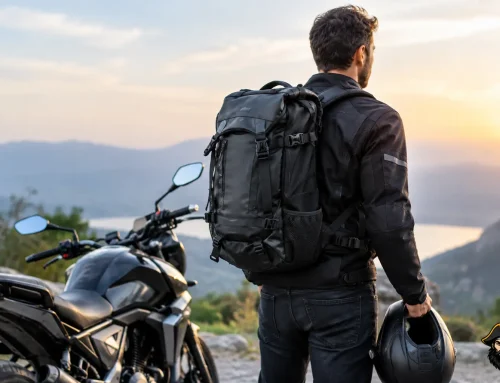
A spare set of gloves, a rain layer, a tool roll, and a bottle of water do not sound like much until they are stuffed into your jacket pockets. That is where the saddlebags vs tail bags decision gets real. The right motorcycle luggage keeps your gear secure, protects your ride’s look, and lets you roll out without strapping half your life to the back seat.
For cruiser, chopper, and Harley-style riders, luggage is more than storage. It changes the profile of the bike, affects passenger space, and determines how easily you can grab what you need at a gas stop. Neither setup wins every time. The better choice depends on how far you ride, what you carry, and whether you want permanent road-ready storage or quick, flexible capacity.
Saddlebags vs Tail Bags: The Core Difference
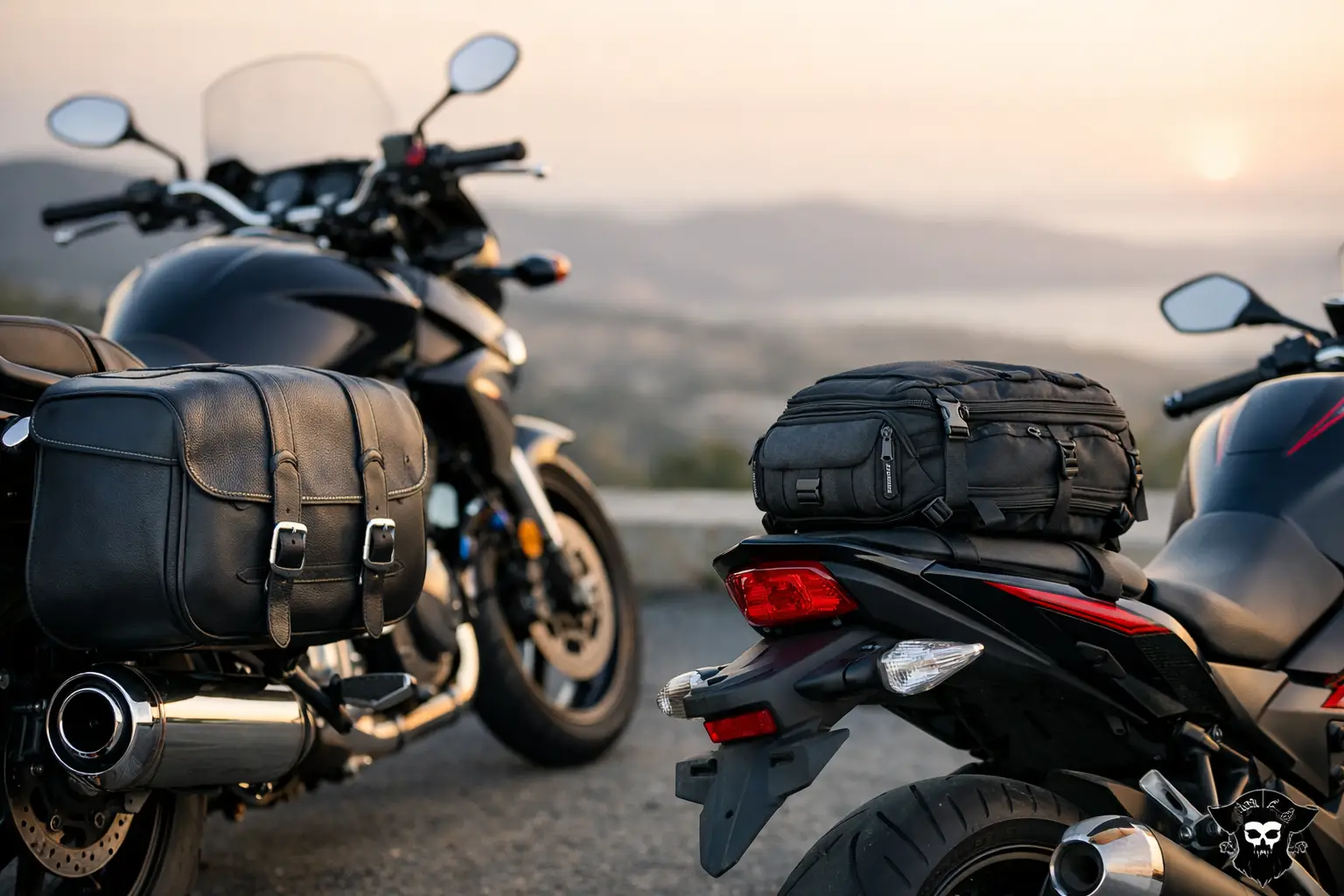
Saddlebags mount on either side of the rear wheel, usually supported by saddlebag brackets, a yoke over the rear fender, or a model-specific mounting system. They sit low and wide, placing weight close to the motorcycle’s center of gravity. They are a natural fit for riders who carry gear regularly and want their bike to look equipped for the long haul.
A tail bag mounts above the rear seat, passenger pillion, luggage rack, or sissy bar rack. It carries weight higher and farther back, but it is often easier to install and remove. A tail bag makes sense when you need storage for a weekend run, a commute, or a one-night trip without keeping bags on the bike full time.
The basic choice is simple: saddlebags are built for consistent capacity and classic touring style, while tail bags are built for convenience and flexibility. The details matter once you add your bike, your passenger, and your actual packing habits.
When Saddlebags Earn Their Keep
Saddlebags are the workhorses of motorcycle luggage. A good pair can hold rain gear, a sweatshirt, tools, a tire repair kit, gloves, and the everyday items that turn a short ride into a long day on the road. With storage split between both sides, the load stays balanced when packed correctly.
That lower placement is a major advantage. Heavy items such as tools, locks, and bottles should ride low in the bags instead of perched on the rear seat. Your motorcycle will still feel different when loaded, especially at parking-lot speeds, but balanced saddlebags generally keep the weight from feeling top-heavy.
They also offer the tougher, more planted look many cruiser riders want. Leather saddlebags pair naturally with leather jackets, vests, boots, and the hard-edged style of a stripped-down V-twin. They do not look like an afterthought. They look like they belong on the bike.
Saddlebags work best if you ride loaded often
Choose saddlebags if you routinely carry more than the basics, take overnight rides, or want a dedicated place for tools and weather gear. They are also the stronger option when you ride with a passenger and need to keep the seat open.
There are trade-offs. Saddlebags add width, so lane filtering, tight garage spaces, and parking beside other bikes require more awareness. Soft leather bags may need periodic care to keep their shape and finish looking right. You also need to check clearance around exhaust pipes, rear suspension travel, turn signals, and the rear wheel before buying.
Hard-mounted bags offer security and stability, while throw-over or yoke-mounted bags are easier to move between compatible motorcycles. Either way, do not treat mounting as a guess. A loose bag near a hot pipe or rear tire can ruin a ride fast.
When a Tail Bag Is the Smarter Move
Tail bags are made for riders who want storage without committing to side-mounted luggage. Most attach with straps, quick-release buckles, or mounting points around a rack or sissy bar. Load one up for the weekend, take it off when you get home, and keep your bike’s rear end clean during the week.
That removable design is the biggest selling point. If your usual ride is a short cruise, a tail bag can carry your rain gear, sunglasses, extra gloves, small tools, and a change of clothes without adding permanent bulk. Many tail bags also expand, giving you extra room when the plan changes from an afternoon run to an overnight stay.
Access is usually easier, too. With a tail bag behind you, you can often reach the main compartment without digging through side-mounted gear. That is handy for items you use frequently, such as a phone charger, snacks, or a warm layer.
Tail bags have limits on loaded rides
A tail bag can take up passenger space, depending on where it mounts. If you ride two-up, that alone may settle the question. Even rack-mounted bags can crowd a passenger’s backrest area or make getting on and off the bike less comfortable.
Weight placement is another consideration. A lightly packed tail bag will not cause trouble, but a tall, overloaded bag puts mass high and rearward. You may notice it in turns, during quick stops, or when maneuvering slowly. Keep dense gear low, pack it tightly, and use every supplied strap. Loose straps should be secured well away from the wheel, belt, chain, and exhaust.
A tail bag also does less to protect your gear from road spray than a well-positioned pair of saddlebags. Weather-resistant materials and rain covers help, but riders who spend serious time in bad weather may prefer the covered, lower placement of side bags.
Capacity Is Not the Only Number That Matters
Do not shop by liters alone. A bag can have a big capacity number and still be frustrating if its opening is narrow, its shape wastes space, or its pockets cannot hold the small stuff you need at fuel stops.
Think about your normal load. A day rider may only need a compact bag for a jacket liner, gloves, water, and a few essentials. A rider who heads out for weekend runs needs room for clothes, toiletry gear, rain protection, tools, and a lock. A long-distance rider may need saddlebags plus a tail bag, using the side bags for heavier equipment and the rear bag for lighter gear or items needed at the end of the day.
That combination works well when it is packed with discipline. Keep weight even from left to right in saddlebags. Put the heaviest items at the bottom. Reserve the tail bag for lighter, bulky items such as clothes or a packed rain layer. Motorcycle luggage should support the bike’s handling, not fight it.
Style, Security, and Fitment Matter
A bag that technically fits is not always the right bag. On a cruiser, poorly sized luggage can hang too low, block turn signals, crowd the pipes, or make a clean build look cluttered. Measure your available space and look at the bike from the side before you order. Pay close attention to shock clearance and exhaust routing.
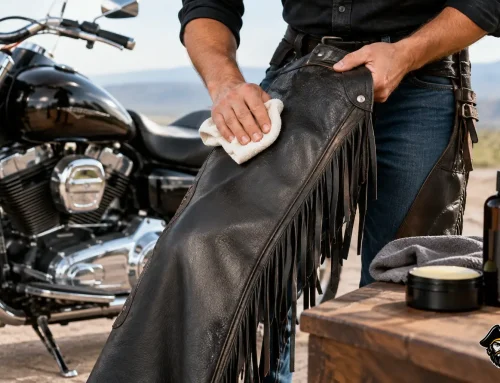
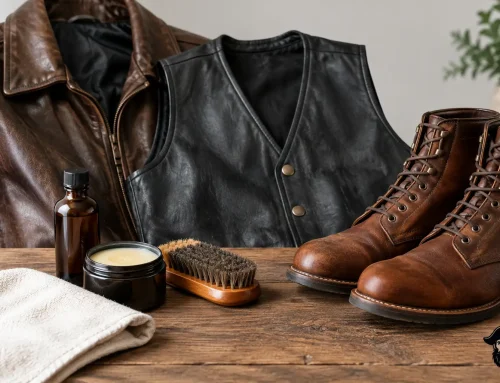
Leather offers the traditional biker look and gets better with the right care. It fits naturally with a black leather vest or jacket and gives the bike a tougher, more finished profile. Textile and synthetic tail bags often lean lighter and more weather-focused, which may suit a daily commuter or a rider who swaps luggage between bikes.
Security is another dividing line. Saddlebags can be easier to leave mounted, especially when they have lockable hardware or are mounted behind a seat lock or quick-detach system. Tail bags are often simpler to carry into a hotel, office, or house. If you regularly leave your bike parked in public, plan for both bag security and what you are willing to leave inside.
Blackbeard’s Motorcycle Gear riders should also consider how luggage works with the rest of their setup. A solid bag is where your spare gloves, riding shirt, rain layer, and tool kit stay ready – not buried under bungee cords or jammed into a pocket.
Choose the Bag That Matches Your Miles
Pick saddlebags when you want dependable storage on every ride, carry heavier gear, ride with a passenger, or want the classic leather-loaded cruiser look. Pick a tail bag when you want quick installation, removable storage, and enough room for short trips without changing your bike’s profile permanently.
If you are still on the fence, start with the rides you actually take, not the cross-country trip you might take someday. The best motorcycle bag is the one that stays secure, clears every moving and hot part, and makes it easier to leave when the road is calling.