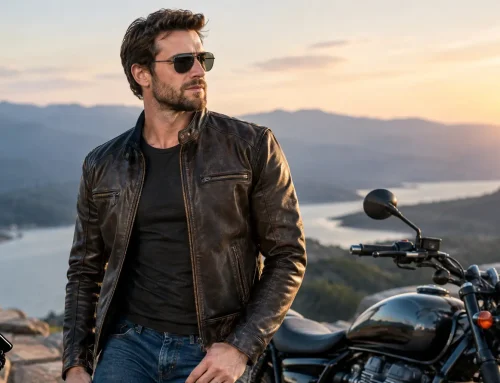
You can spot a bad helmet choice before the bike even leaves the lot. It sits too high, catches wind, pinches your forehead, or just looks wrong with the rest of your gear. That is why riders shopping for a low profile half helmet are usually not chasing hype. They want a helmet that feels right, looks right, and stays comfortable on real rides instead of just looking good in a product photo.
For cruiser and Harley-style riders, helmet choice is part protection, part comfort, and part identity. A half helmet has a very specific lane. It gives you an open feel, keeps your field of view wide, and matches the stripped-down look a lot of riders want. But not every half helmet delivers the same experience. Some feel balanced and easy to wear. Others become a problem at highway speed, in hot weather, or after an hour in the saddle.
Why a low profile half helmet appeals to riders
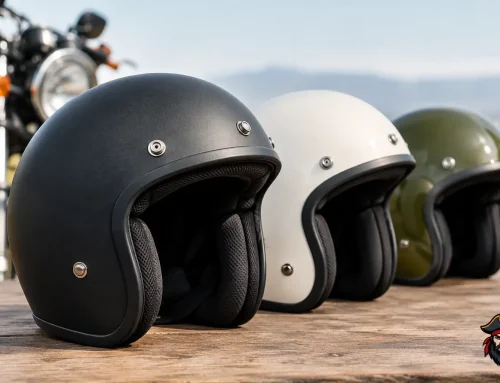
The appeal is simple. A lot of riders want less bulk and less mushroom look without giving up the half helmet style they prefer. They want a cleaner silhouette and a lighter feel, especially for local rides, weekend runs, and warm-weather miles.
That said, style is only half the story. A helmet that sits lower and feels more natural on your head often ends up being the one you actually wear. If a helmet feels awkward, too tall, or unstable in the wind, it tends to stay on the shelf. Riders know that comfort drives real-world use.
There is also the visibility factor. A half helmet leaves more of your face open and usually feels less enclosed than a full-face or modular option. For riders who like that open-air experience, it is hard to replace. You get more airflow, less trapped heat, and an easier fit with sunglasses or riding shades.
What matters more than looks
A lot of shoppers start with appearance, and that makes sense. Biker gear should match the ride and the rider. But once you get past the first impression, fit is what makes or breaks the purchase.
A proper fit should feel snug without pressure points. It should not rock around when you move your head, and it should not leave one hot spot digging into your forehead after twenty minutes. Head shape matters here. One rider can swear a helmet is perfect, while another sends the same model back because the internal shape just does not work for them.
Weight matters too, especially on longer rides. Even a small difference becomes noticeable when wind pressure starts pulling at your helmet. A lighter option can reduce neck fatigue, but it still needs enough structure and padding to feel secure. This is where cheap helmets often lose the argument. They may look fine at first, but the comfort falls off fast.
Interior padding is another detail riders should not ignore. Good padding does more than cushion your head. It affects how secure the helmet feels, how much movement you get at speed, and how the fit settles over time. If the liner feels thin or rough from the start, it usually will not improve later.
Low profile half helmet fit issues riders run into
The biggest mistake is guessing your size. Riders do it all the time, especially if they have worn the same size for years in a different brand. Helmet sizing is not universal, and a medium in one line can fit very differently from a medium in another.
Take the time to measure your head and compare that number to the size chart for the specific model. It is not exciting, but it saves hassle. A helmet that is too loose is not just annoying. It can lift in the wind, shift during the ride, and feel unstable every time you turn your head.
The second issue is expecting every low profile half helmet to fit the same way on every head. Some riders have a more round head shape, others more oval. That changes everything. If you are always fighting forehead pressure or loose spots on the sides, the problem may not be the size. It may be the shape.
Retention system design also matters more than people think. If the straps are awkward, hard to adjust, or hit in the wrong spot, you will notice it every ride. A secure closure should be easy to use with gloves and should stay comfortable without rubbing your skin raw on a hot day.
Comfort on the road is where the decision gets real
A helmet can check every box in a product listing and still fail once it meets actual road conditions. Wind buffeting, road noise, and heat all show up fast when you are riding in the real world.
Half helmets are naturally more open, so they usually do well in airflow. That is a major reason riders like them in warmer states and summer riding conditions. But more openness also means more exposure to wind and sound. If you do a lot of highway miles, that trade-off matters.
This is where the rest of your setup comes into play. The right riding sunglasses, a neck gaiter, or a proper riding jacket collar can make an open helmet setup much more comfortable. Riders do not wear gear in isolation. Your helmet has to work with the rest of your kit.
For riders building a practical setup, it helps to think beyond the helmet itself. A solid leather jacket cuts wind fatigue. Good gloves reduce distraction. Reliable boots keep you planted at stops and fuel stations. If you are commuting or touring, smart luggage and a rugged toll pass holder make daily riding easier without cluttering your cockpit. That kind of setup does not just look better. It works better.
How riders balance style, price, and daily use
There is always a point where budget enters the conversation. Most riders are not trying to overpay for a name alone. They want solid value, dependable fit, and a look that matches their bike and gear.
A low price can be tempting, but the cheapest option is rarely the best long-term buy if the padding breaks down fast or the fit is inconsistent. On the other hand, a higher price does not automatically mean better comfort for your head shape. The smart move is to judge value by materials, comfort, finish, and how likely the helmet is to become your regular rider instead of a backup.
Style still counts, especially in cruiser culture. Riders care about road presence. They want gear that fits the bike, the jacket, the boots, and the whole look. That is not vanity. It is part of the riding lifestyle. The best gear does not force you to choose between function and identity.
That is why experienced riders often shop by combination rather than by one item. A clean half helmet, a broken-in leather vest or jacket, protective gloves, and boots that can handle all-day wear create a setup that feels complete. If you are carrying daily essentials, compact luggage and bar-friendly accessories matter just as much as the helmet.
Who should consider a low profile half helmet
This style makes the most sense for riders who already know they prefer the half helmet experience. If you want maximum airflow, an open feel, and a classic biker look, it fits that job well. It is especially popular for short to mid-range rides, urban cruising, and warm-weather use.
It may be less ideal if you spend most of your time on long interstate runs, ride in rough weather often, or want more coverage and isolation from wind. That does not make it a bad choice. It just means your riding habits should drive the decision.
Newer riders should be honest about where and how they ride. A helmet that looks great on a Saturday coffee run may not be your favorite on a three-hour highway trip. Experienced riders usually understand this already. They often own different gear for different kinds of riding because one setup does not cover every situation.
If you are buying online, clear sizing help and rider-focused service matter. That is one reason stores like Blackbeard’s Motorcycle Gear connect with the cruiser crowd. Riders want gear that looks right, fits right, and does the job without a bunch of fluff.
The best helmet purchase is usually the one made with realistic expectations. Know your head size, know your riding style, and think about how the helmet works with the rest of your gear. When all of that lines up, the right choice is usually obvious the moment you strap it on.