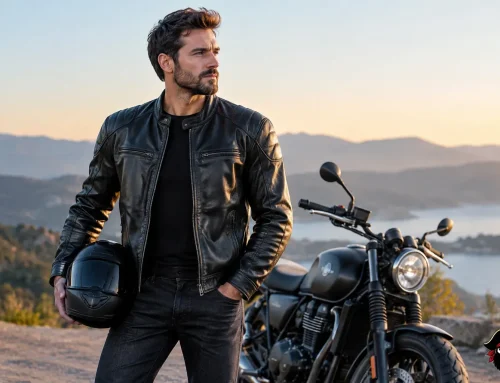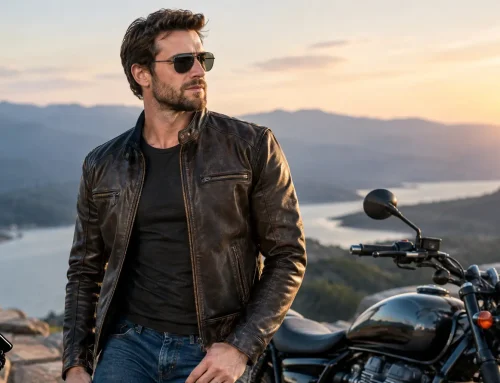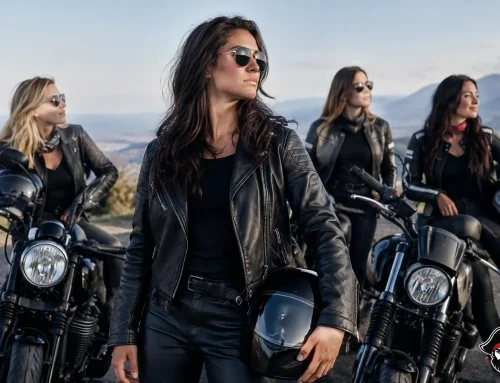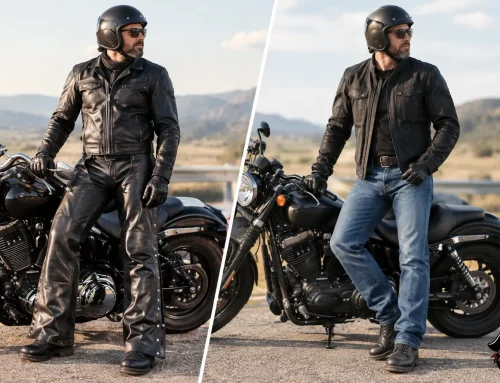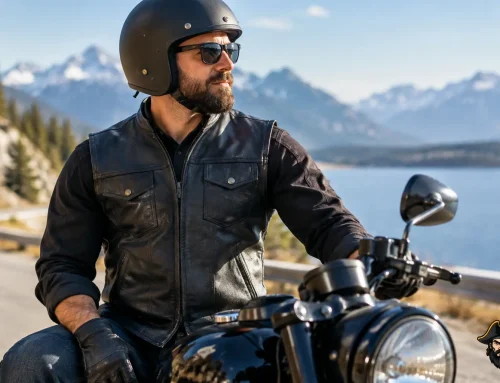
A low-profile lid can make or break the look of a cruiser, chopper, or stripped-down bagger. That is why riders search for the smallest DOT helmets they can find. The goal is simple: less bulk up top, a clean biker profile, and a helmet that is built for the road instead of costume-shop parking-lot photos.
But compact should never mean careless. A helmet has to do more than look right under the sun. It needs a legitimate DOT marking, dependable construction, a secure retention system, and enough real-world comfort that you will actually wear it when the miles stack up.
Smallest DOT Helmets Are Not All Built the Same
When riders say they want the smallest DOT helmet, they usually mean a low-profile half helmet that sits close to the head and avoids the oversized mushroom look. That style has long been a favorite with cruiser riders because it keeps the wind in your face, works well with sunglasses or goggles, and leaves room for the leather-and-chrome attitude that defines the ride.
The problem is that plenty of helmets look compact online. Not all of them deserve a place on the road. Some are novelty lids with thin shells, weak straps, or misleading labels. Others may carry a DOT sticker but show poor finishing, questionable hardware, or no clear manufacturer information. A small helmet should look purpose-built, not cheapened down.
A legitimate DOT motorcycle helmet is made to meet Federal Motor Vehicle Safety Standard No. 218. The standard covers impact attenuation, penetration resistance, field of vision, and the retention system that keeps the helmet on during a crash. Manufacturers certify their own products to that standard, and regulators can test helmets and take action when a model fails. That makes the label meaningful, but it also means smart riders should look beyond a sticker.
A real road helmet will have a solid shell, impact-absorbing liner, durable straps, and hardware that does not feel like an afterthought. If the price seems too good to be true, the photos are vague, or the product details avoid construction questions, move on. Saving a few bucks is not a win if you end up replacing the helmet after one season.
What Makes a DOT Helmet Look Smaller
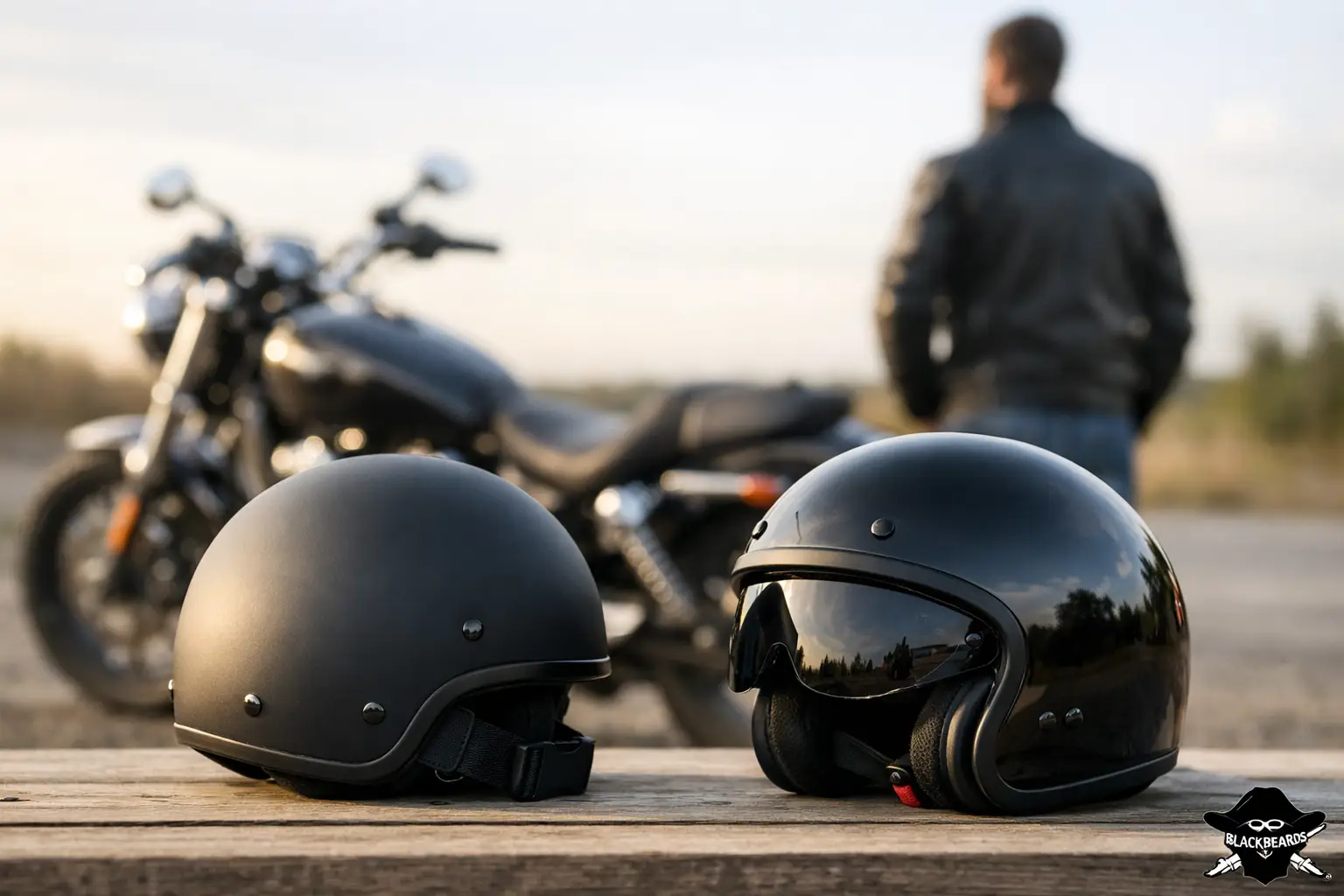
The shell shape does most of the visual work. A trim, low-profile shell can reduce the extra material around the crown and sides without turning the helmet into a novelty piece. Clean lines also help. A helmet without oversized vents, unnecessary plastic trim, or a tall profile looks tighter and tougher on a cruiser.
Color matters more than many riders expect. Matte black is the classic choice because it keeps the helmet visually quiet and works with nearly any jacket, vest, boot, or bike finish. Flat black also hides minor road grime better than glossy finishes. For riders who want more presence, a clean graphic or metal flake finish can stand out without making the helmet look oversized.
The trim package changes the profile too. A simple edge roll, short visor, or removable sun peak can give a half helmet a finished look while keeping the silhouette lean. Just remember that every add-on changes wind behavior. A visor can help with harsh sun, but it may catch air at highway speed. That is a trade-off worth considering if long interstate runs are part of your routine.
The Trade-Off Behind a Minimal Helmet
A half helmet offers a stripped-down riding experience, but it does not provide the same coverage as a three-quarter or full-face helmet. That is not a knock on the style. It is the straight answer. Less helmet coverage means more exposure to weather, wind noise, bugs, road debris, and impact areas that a larger helmet may cover.
For local rides, rallies, and warm-weather cruising, many riders prefer the open feel of a compact DOT half helmet. For high-speed interstate travel, cold rain, or long days behind a windshield that still throws dirty air, another helmet style may make more sense. There is no single right answer for every bike, route, or rider.
Wind protection is one of the biggest practical issues. Quality goggles, wraparound eyewear, or a face shield setup can make an open-face ride far more manageable. Choose eye protection that stays put in the wind and gives you a clear view when light conditions change. A cheap pair of loose sunglasses may look good at the gas station, but they can become a distraction when the road gets rough.
Weather is another factor. A half helmet can be perfect on a dry 80-degree afternoon and miserable when temperatures drop after dark. That is where the rest of your gear earns its keep. A leather jacket blocks wind better than a fashion layer, while a solid vest gives cruiser riders the familiar look and an extra layer through the torso. Good gloves keep your hands on the controls when the air turns cold, and riding boots provide more support and protection than casual footwear.
How to Shop for the Smallest DOT Helmets Without Guesswork
The product page should tell you what you are buying. Look for clear photos from multiple angles, visible DOT labeling, shell and liner details, and an explanation of the strap and buckle system. If a seller cannot show the basics, there is no reason to trust the advanced claims.
Before buying, check these five details:
- A visible DOT marking and clear product identification
- A sturdy retention strap with reliable hardware
- A finished interior liner with clean stitching and secure trim
- A shell profile that looks balanced from the side and rear
- Enough room in the design for your preferred eyewear or goggles
Pay attention to the details that take abuse. D-rings, quick-release buckles, rivets, snaps, and visor hardware all see wind, sweat, vibration, and constant handling. Flimsy parts show themselves fast. A well-made helmet feels deliberate when you pick it up, fasten it, and use it day after day.
Also check your state helmet requirements before heading out. Helmet laws vary, and a DOT-marked helmet is not a free pass around every local rule or riding condition. Riders should know the law where they live and where they plan to travel, especially before a multi-state run.
Build the Rest of the Ride Around the Helmet
The right helmet is only part of a road-ready setup. A compact half helmet pairs naturally with a heavy leather jacket, a clean leather vest, broken-in riding boots, and gloves that let you work the controls without giving up grip. That combination looks right because it is built around function, not because somebody copied a costume.
At Blackbeard’s Motorcycle Gear, the same principle applies across riding apparel and accessories: gear should earn its place. A leather jacket needs to stand up to wind and repeated wear. Boots need traction and support. Gloves need to protect your hands while staying useful at the grips. Motorcycle luggage needs to carry what matters without turning a clean bike into a cluttered mess.
Even small accessories can improve the ride. A secure toll pass holder keeps a pass accessible without scratching up the bars. A dependable bag gives you somewhere to stash rain gear, eyewear, and gloves when the temperature swings. Those are not glamorous upgrades, but they solve problems every rider recognizes after enough miles.
Keep a Compact Helmet Road-Ready
Treat your helmet like working gear. Wipe bugs and grime off the shell with products made for helmet finishes, keep the liner clean, and inspect the strap and hardware regularly. Do not hang it from a mirror where it can fall, bake it on the bike for hours in extreme heat, or toss it loose into a packed saddlebag with sharp gear.
Replace a helmet after a serious impact, even if the shell does not show obvious damage. The liner is designed to manage energy, and damage can be hidden. Age, heavy UV exposure, deteriorating materials, and worn hardware are also good reasons to take a hard look at a replacement.
The smallest DOT helmet worth wearing is not the one that simply looks the least noticeable. It is the one that keeps the profile clean, the construction honest, and your attention where it belongs: on the road ahead.