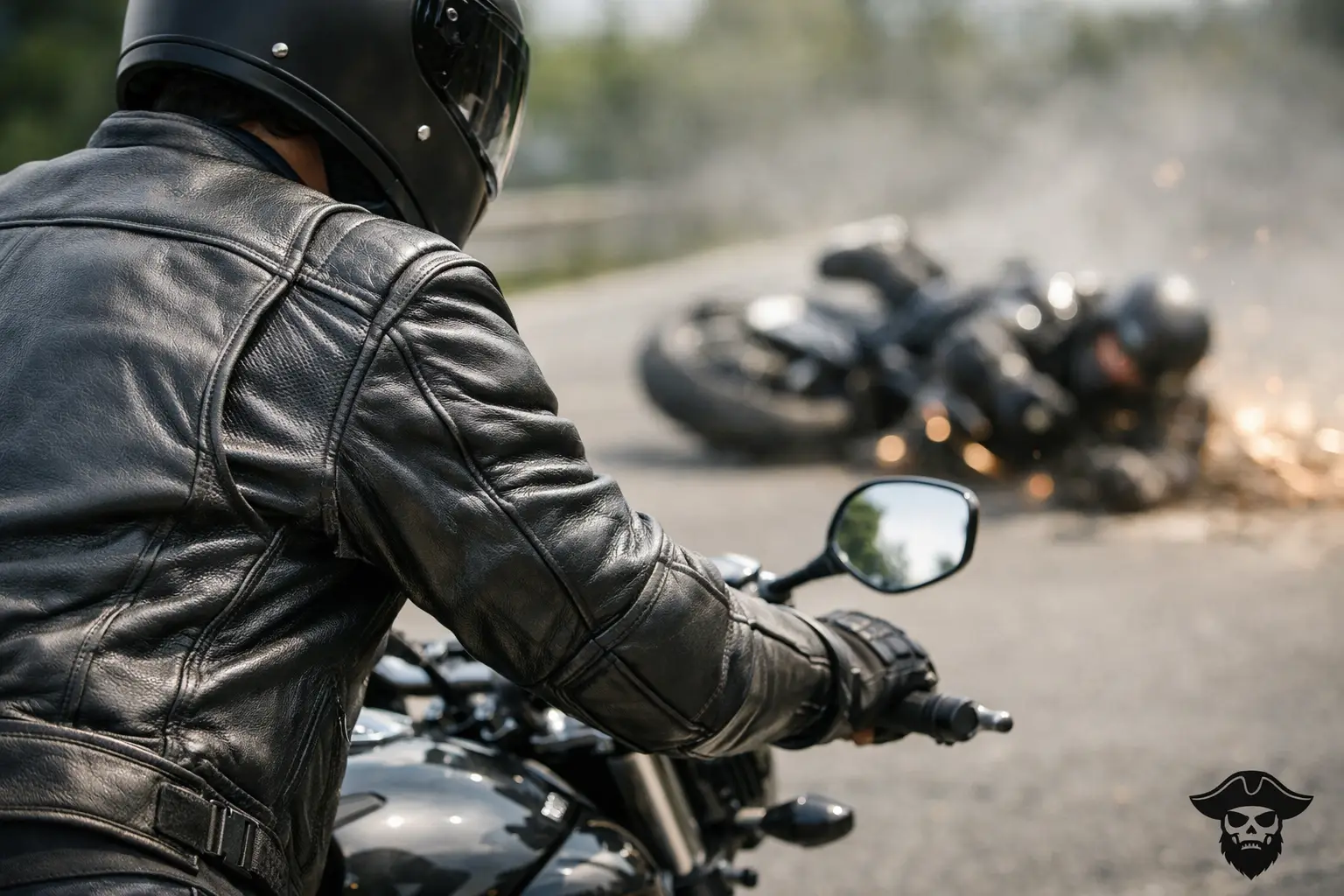
You do not need a jacket that only looks tough at the gas stop. You need one that can take a beating if the ride goes bad. So, are leather motorcycle jackets protective? Yes – good ones absolutely are. But not every leather jacket is built for the same job, and that is where riders get tripped up.
A real motorcycle leather jacket can give you serious protection against abrasion, road rash, wind, debris, and some impact when it is built with the right hide, the right thickness, and the right construction. A fashion leather jacket is a different animal. It may look the part, but if it is made with thin leather, weak stitching, and no armor, it is not the same kind of protection when pavement gets involved.
Are leather motorcycle jackets protective in a crash?
They can be, and often very much so. Leather has earned its reputation on the road because it handles sliding better than a lot of casual materials. When a rider goes down, one of the first threats is abrasion. That is where quality leather shines.
Thicker leather creates a durable barrier between your skin and the pavement. It helps reduce tearing and can buy precious time in a slide. That does not make you invincible, and it does not mean any leather jacket will do. The level of protection depends on leather weight, panel construction, seam strength, fit, and whether the jacket includes armor at the shoulders, elbows, and back.
If you are wearing a proper riding jacket made for motorcycle use, leather is still one of the most trusted materials on the road. There is a reason it never went out of style with serious riders. It works.
What makes a leather motorcycle jacket truly protective?
The word leather alone does not tell you enough. Protective value comes from how the jacket is made.
Leather thickness matters
A heavier, more substantial hide generally offers better abrasion resistance than a thin, soft fashion leather. Many road-ready jackets use cowhide because it is tough, durable, and proven for motorcycle wear. Buffalo leather is also known for strength and a rugged feel. Lambskin can feel great and look sharp, but it is usually chosen more for comfort and style than maximum crash protection.
That does not mean every rider needs the stiffest, heaviest jacket on the rack. There is always a trade-off. Thicker leather usually protects better, but it can feel warmer, heavier, and less flexible until it breaks in.
Armor changes the game
Leather helps with abrasion. Armor helps with impact. Those are two different jobs.
A leather jacket without armor can still be protective, especially in a slide, but armor at the elbows, shoulders, and back adds another layer where riders commonly hit first. If you want stronger all-around protection, look for a jacket with built-in armor or armor pockets that let you upgrade later.
This is one of the biggest differences between a riding jacket and a casual leather jacket. The outside may look similar. The inside tells the real story.
Stitching and seams matter more than most riders think
If the seams blow apart in a crash, the leather cannot do its job. Strong stitching in key impact zones is a big part of what separates road-ready gear from cheap lookalikes. Reinforced seams and solid construction help the jacket stay together when it counts.
A jacket can have thick leather and still fall short if the build quality is weak. That is why riders should look beyond the surface and pay attention to how the piece is put together.
Fit matters for protection
Baggy does not mean safer. A motorcycle jacket should fit close enough that armor stays where it belongs and the leather does not twist excessively in a slide. At the same time, it should not be so tight that it restricts movement on the bike.
A good fit keeps protection in the right place and makes it more likely you will actually wear the jacket every ride. Gear in the closet protects nobody.
Leather vs textile for motorcycle protection
This is where the answer gets more nuanced. Leather is excellent for abrasion resistance and has a long track record for street and cruiser riders. Textile jackets can also be protective, especially modern ones with advanced materials, waterproofing, vents, and armor.
If your priority is classic road style, strong abrasion resistance, and that broken-in biker feel, leather is hard to beat. If your priority is hot-weather airflow, lighter weight, or four-season versatility, some textile gear may fit better.
For many cruiser and Harley-style riders, leather still hits the sweet spot. It brings the look, the road presence, and the practical protection riders actually want. It is not just tradition. It is function with attitude.
Are all leather motorcycle jackets equally protective?
Not even close.
Some jackets are built for serious riding. Others are built for the bar, the rally, or everyday wear. Both have a place, but they are not interchangeable.
A protective leather motorcycle jacket usually has heavier leather, reinforced construction, a riding-specific cut, secure closures, and impact protection or armor pockets. A fashion jacket may use lighter leather, simpler seams, and a fit designed more for style than the riding position.
That is why shopping by looks alone is risky. A clean black leather jacket may fit the biker image, but if it is not designed for the road, you are paying for appearance more than protection.
What leather motorcycle jackets do well – and where they fall short
Leather jackets do a lot right. They are strong against abrasion, hold up well over time, block wind, and age with character instead of falling apart fast. For many riders, they also feel more substantial and confidence-inspiring than lighter materials.
Still, there are trade-offs. Leather can run hot in peak summer. It can feel heavy, especially for newer riders not used to full riding gear. It also needs basic care to keep it looking good and performing well. And unless the jacket includes armor, leather alone does not offer the same impact management as armored gear.
That is the honest answer. Leather is protective, but the best protection comes from a quality motorcycle jacket that combines leather with smart design and impact coverage.
How to choose a protective leather jacket without overthinking it
Start with purpose. If you want a jacket for actual riding, shop riding gear, not fashion wear. Look for sturdy leather, motorcycle-specific construction, and built-in or upgradeable armor.
Next, think about your riding style. A cruiser rider doing regular highway miles may want a heavier jacket with a more traditional cut and strong wind protection. A rider in warmer states may want venting, perforated panels, or a lighter setup that still uses quality leather.
Then consider value. A cheaper jacket is not a bargain if it skips the features that matter. Strong leather, dependable hardware, and proper protection make a difference where it counts. That is especially true if you ride often.
Brands known for biker gear, including Milwaukee Leathers and Vance Leathers, have stayed popular for a reason. They build jackets for riders who want both road-ready function and the right look. That balance matters. Nobody wants to choose between protection and identity when they can have both.
So, are leather motorcycle jackets protective enough for everyday riding?
For a lot of riders, yes. A well-made leather motorcycle jacket is more than protective enough for everyday street riding when it is designed for the road and paired with the right features. It offers real abrasion resistance, dependable coverage, and the kind of durability riders have trusted for decades.
The key is not to treat all leather as equal. If you want protection, buy a motorcycle jacket made for motorcycle use. Look for quality materials, solid construction, proper fit, and armor where it matters. That is the difference between wearing leather and wearing protective leather.
If your jacket has to do two jobs – keep you looking like a rider and help protect you like one – leather is still one of the strongest choices on the market. Buy the good stuff, wear it every ride, and let the pavement test something other than your skin.