Your first ride should not start with regret – not from a jacket that bunches up, not from boots that slip at a stoplight, and not from gloves that feel like borrowed gear. Women’s motorcycle gear for beginners is not about buying everything at once. It is about getting the right essentials in the right order, so you can ride protected, feel comfortable, and still look like you belong on the bike.
A lot of new riders make the same mistake. They shop by style first, then try to justify the fit later. That works for fashion jackets. It does not work for riding gear. Beginner gear needs to do three jobs every time you throw a leg over the bike – protect you in a slide, stay comfortable for real miles, and fit your body without fighting your movement.
What women’s motorcycle gear for beginners should include first
If you are starting from zero, focus on four core pieces first: a real riding jacket, gloves, over-the-ankle boots, and durable riding layers that hold up on the road. You can build out the rest once you know how, where, and how often you ride.
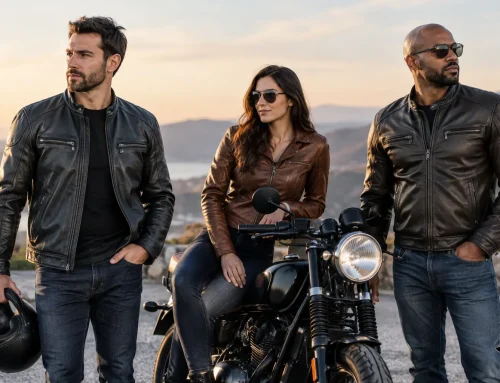
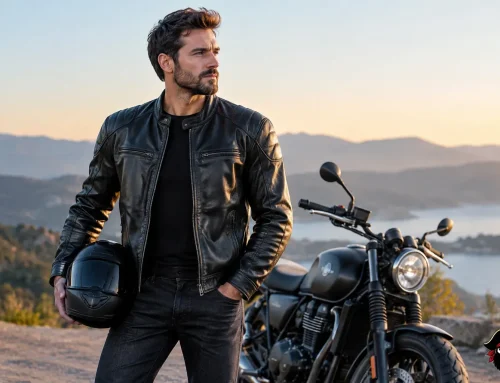
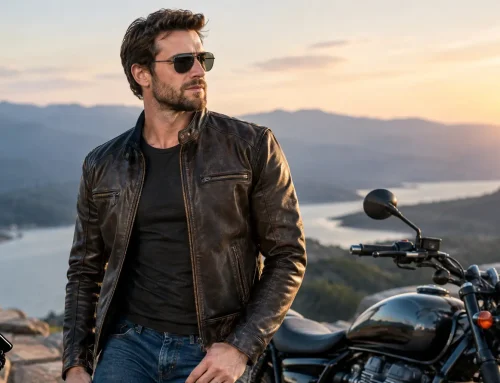
The jacket usually matters most because it takes the biggest beating from wind, debris, weather, and abrasion. For many beginner riders, leather is the obvious starting point because it gives you road-ready abrasion resistance, classic biker style, and long-term value if you buy the right fit. A proper women’s leather motorcycle jacket should feel secure at the shoulders and elbows, close at the waist, and long enough in the back that it still covers you in a riding position.
Too loose and it can shift when you need it to stay put. Too tight and you will hate wearing it after twenty minutes. That middle ground is where good gear earns its money.
Gloves are the piece beginners underestimate most. New riders often think of gloves as a comfort item, but your hands are usually the first thing you reach out with in a fall. A solid pair of riding gloves should give you grip, coverage, and enough flexibility to work the controls without feeling bulky. If the gloves pinch between the fingers or leave extra room at the tips, keep looking. Bad glove fit gets annoying fast.
Boots come next, and this is another place where street fashion gets confused with riding function. A riding boot needs traction, ankle coverage, and enough structure to support you at stops and low-speed maneuvers. Flat soles can work, but slick soles are a bad bet on wet pavement, gravel, or an uneven gas station lot. For beginners especially, stable footing builds confidence.
Fit matters more than beginners expect
Women’s motorcycle gear for beginners should never be bought on looks alone. Fit changes everything – comfort, control, protection, and whether you actually wear the gear every ride.
Women’s cuts are worth paying attention to because unisex gear often means men’s gear with a smaller tag. That can leave extra material in the chest, arms that run too long, and a waist that floats instead of sitting close. On a bike, that loose material catches wind, shifts around, and turns a simple ride into a constant adjustment.
A good jacket should feel snug when you stand up straight. That surprises a lot of first-time buyers. Riding gear loosens some with wear, especially leather, and your riding posture changes the way the jacket sits. If it feels roomy in the showroom, it may feel oversized on the bike.
Boots should feel secure right away. Do not count on a bad fit magically breaking in. Leather can soften, but it will not fix a heel that lifts too much or a toe box that crushes your foot. The same goes for gloves. Small fit problems on short try-ons become major distractions on the road.
Leather vs textile for new riders
There is no single right answer here. It depends on where you ride, what you ride, and how much traditional biker style matters to you.
Leather has a strong case for beginners because it is durable, wind-blocking, and built for the kind of road rash protection riders care about. It also lines up with cruiser and V-twin style better than almost anything else. A good leather jacket or vest does not just look right – it works hard and lasts if you take care of it.
Textile can make sense if you ride in hotter climates, want lighter weight, or need more casual flexibility. But if your goal is that classic road-ready look with real abrasion resistance, leather still sets the standard.
For many new women riders, the best answer is simple: start with a dependable leather jacket and build around it. That gets you protection, style, and versatility without overcomplicating your first setup.
The gear beginners often skip and regret later
A lot of first-time riders stop after the big purchases. Jacket, boots, gloves – done. Then they start riding longer and realize the small stuff matters too.
A vest can be a smart add-on if you want layering without the full bulk of another jacket. It also gives you flexibility when the weather changes and helps lock in that biker look without sacrificing practicality. If you ride in changing conditions, layering is more useful than owning one heavy piece that only works a few months out of the year.
Head and neck wear is another category new riders appreciate after the first cold morning ride or the first long highway stretch. Wind fatigue is real. Keeping your neck covered can make a bigger difference than most beginners expect.
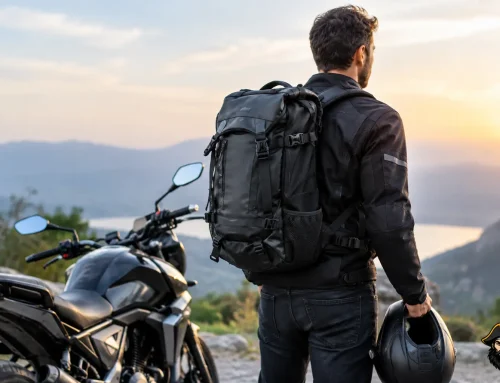
Motorcycle luggage also becomes relevant faster than people think. The minute you want to carry rain gear, extra gloves, water, or small daily essentials, stuffing pockets stops being a good plan. A compact motorcycle bag gives you room without turning your ride into a hassle.
And if your commute includes toll roads, a rugged toll pass holder is one of those small upgrades that pays off every single ride. It is not flashy, but convenience matters when you are geared up and moving.
How to shop without wasting money
New riders do not need a giant closet of gear. They need solid pieces they will actually use. Start with the gear that protects the most and gets worn every ride, then add specialized pieces later.
That means buying for your real riding habits, not the fantasy version of your riding life. If you are doing weekend rides on a cruiser, buy for that. If you are commuting, buy for repeated use and changing weather. If you know you want a full biker look, choose gear that works together from the start instead of piecing together random items that never quite fit the same style.
Price matters, but cheap gear usually gets expensive twice. First when you buy it, then again when you replace it because the fit is wrong, the materials wear out, or you stop using it. Better value comes from gear that holds up, fits right, and keeps earning its place ride after ride.
Promotions help, and so do sizing resources. If you are shopping online, measurements are not optional. Take the extra few minutes. Chest, waist, sleeve, inseam, and foot sizing can save you from an avoidable return. For beginners, that kind of purchase confidence matters.
A beginner setup that actually works
A practical first setup looks like this: a women’s leather motorcycle jacket that fits close without restricting movement, riding gloves with good grip and coverage, over-the-ankle motorcycle boots with solid traction, and one or two layering pieces depending on your climate. Add a vest, motorcycle bag, or toll pass holder once your ride routine starts to take shape.
That setup gives you a strong foundation without wasting money on gear you may not need yet. It also keeps your look consistent. For a lot of riders, that matters. Confidence is not just about skill. It is also about feeling like your gear matches the bike, the road, and the kind of rider you want to become.
At Blackbeard’s Motorcycle Gear, that is the sweet spot – road-ready function, biker style, and gear that does the job without the nonsense.
Your first gear setup does not need to be huge. It needs to be right. Buy the pieces that protect you, fit your body, and make you want to ride again tomorrow.