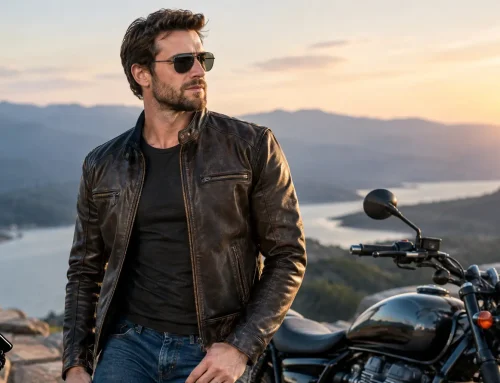
Pull up at a light in a half shell and you feel every bit of the road. Strap on a full-face and you get a different kind of confidence. That is why the half helmet vs full helmet debate never really goes away. Riders are not just choosing gear. They are choosing how they want to feel on the bike, how much protection they want around their head and face, and what trade-offs they are willing to live with mile after mile.
This choice gets personal fast, but it should not be random. The right helmet depends on where you ride, how often you ride, what kind of weather you face, and how much wind, noise, and impact coverage you are comfortable with. Style matters. Protection matters more. Comfort is what decides whether you will actually wear the thing every ride.
Half helmet vs full helmet: the real difference
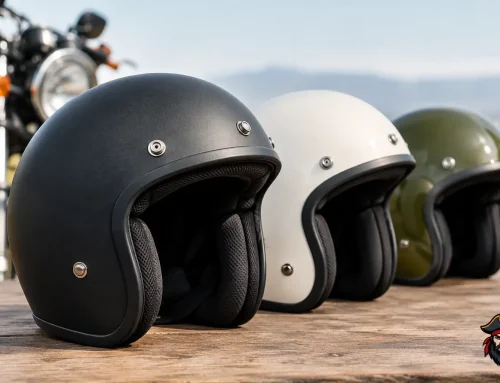
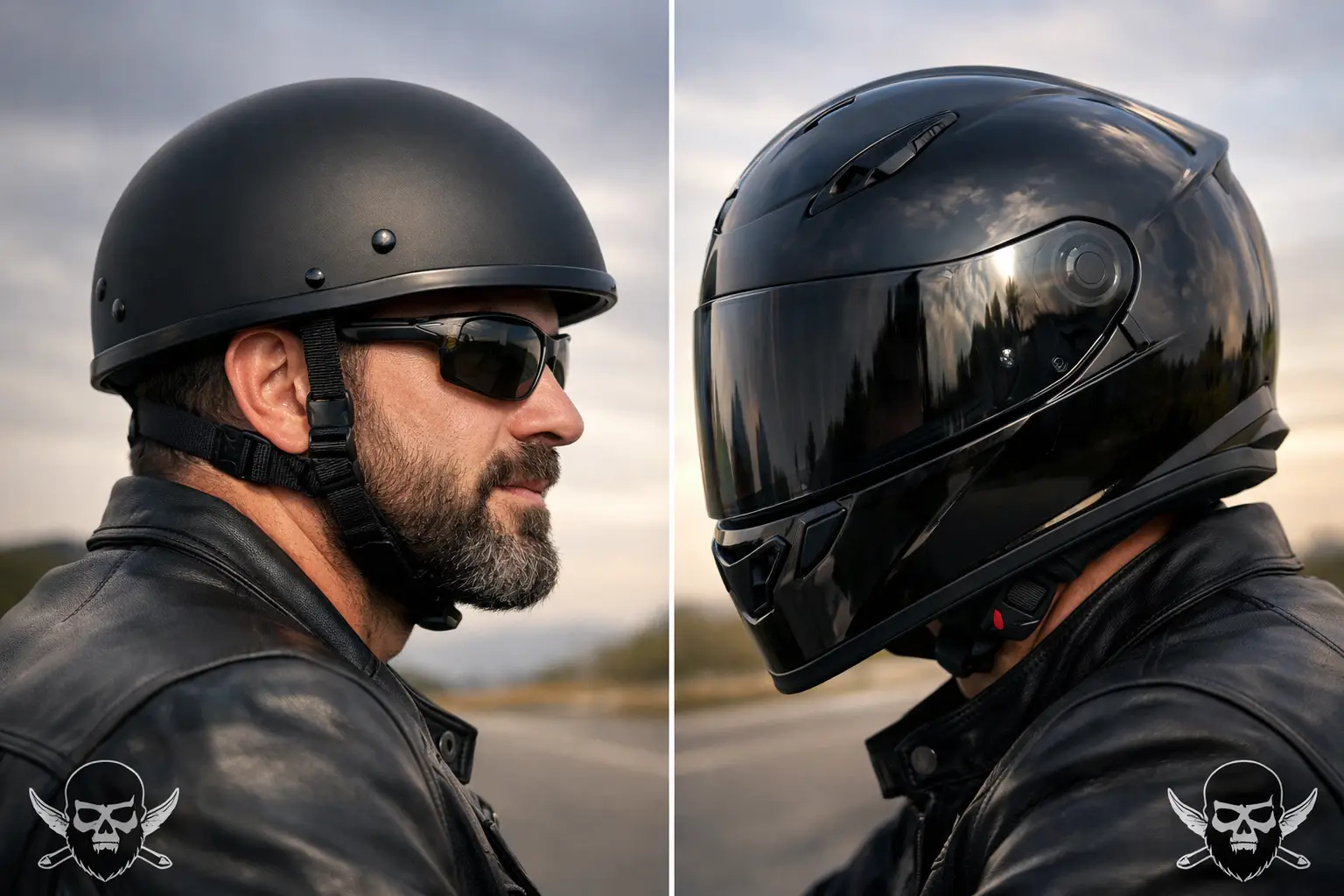
A half helmet covers the top of your head and usually sits above the ears, with your face fully exposed. A full helmet wraps around the entire head and includes a chin bar and face shield or eye port. That chin bar is the biggest dividing line between the two.
On the road, that design difference changes a lot. A half helmet gives you a more open, stripped-down riding feel. More airflow, more sound, more visibility around the edges, and a classic biker look that a lot of cruiser riders prefer. A full helmet gives you more complete coverage, better wind management, more weather protection, and stronger defense in a crash.
Neither option is automatically right for every rider. But they are not equal when it comes to protection.
Protection is where full helmets pull ahead
If your top priority is impact coverage, the full helmet is the stronger choice. It protects the skull, the back of the head, the sides, and the jaw area. That matters because your chin and face are exposed in a half helmet.
A lot of riders start with looks and end up changing their mind after they think about real-world crashes. Street riding is unpredictable. Gravel in a turn, a driver who never saw you, a sudden lane change – none of that cares what style of helmet matches your bike. A full helmet gives you a bigger margin for error.
That does not make a half helmet useless. A DOT-approved half helmet still offers protection for the top portion of your head and can be a valid choice for riders who understand the compromise. But if you are comparing half helmet vs full helmet strictly on safety coverage, full-face wins. No sugarcoating it.
Why some riders still prefer a half helmet
There is a reason half helmets keep selling. For many cruiser and V-twin riders, the open-air feel is the whole point. A half helmet can feel lighter, less confining, and better suited to short rides, city cruising, and hot weather. It also works with the classic biker profile a lot of riders want.
Comfort plays a big role here. Some riders hate the boxed-in feeling of a full-face helmet. Others wear prescription glasses, like easier on-and-off use, or simply want more freedom around the face. If your riding is mostly lower-speed local routes in good weather, a half helmet may feel like the better everyday option.
The catch is that the same openness that feels great on Main Street can wear you down on the highway. Wind fatigue, bugs, road grit, and heavy noise all hit harder when your face is uncovered.
Where full helmets make life easier
A full helmet does more than add protection. It changes the ride itself. At highway speed, the wind control is better. In cold weather, your face is not getting blasted for an hour straight. In light rain, a face shield can make the difference between getting home annoyed and getting home drained.
Noise is another big factor. Full helmets are not silent, but they generally do a better job reducing the battering effect of wind roar than half helmets. That matters on longer rides. Less noise and less wind strain can mean less fatigue by the time you park.
This is where a lot of riders split their gear by purpose. A half helmet might feel right for short local loops, bike nights, and easy weekend weather. A full helmet often earns its keep for touring, highway runs, commuter miles, and cooler seasons.
Half helmet vs full helmet for comfort and fit
Fit matters more than helmet category. A premium full helmet that does not fit right is a bad helmet for you. Same goes for a half helmet that creates pressure points or lifts in the wind.
A half helmet often feels easier from the start because there is less structure around the head and face. But easy is not always secure. If it shifts at speed or rides too high or too loose, it is not doing its job. A proper fit should feel snug without pain, stable without wobble, and secure with the retention strap fastened.
Full helmets demand a little more attention to sizing because they contact more of your head and cheeks. The reward is a more planted feel when fitted correctly. You want even pressure around the crown, firm cheek contact, and no major hot spots after several minutes of wear.
If you are shopping online, this is where clear measuring guidance matters. Know your head measurement before you buy. Do not guess your size based on a ball cap.
Weather, distance, and speed should decide more than style
A lot of helmet regret comes from buying for the parking lot instead of the road. Standing next to the bike, a half helmet can feel like the obvious move. Three hours into a windy highway ride, that decision can feel different.
Think about your real riding pattern. If you spend most of your time in town, in warm conditions, on shorter rides, a half helmet may line up with how you actually use your bike. If your riding includes interstate miles, cold mornings, changing weather, or long-distance days, a full helmet starts making a lot more practical sense.
This is also why experienced riders sometimes own both. One helmet does not have to cover every use case if your riding changes by season, route, or trip length.
The style factor is real, but it should not be the only factor
Let us be honest. Riders care how gear looks. That is not vanity. It is part of rider identity. Half helmets have a traditional biker appeal that fits cruisers, choppers, leather vests, riding boots, and a stripped-down road image. Full helmets lean more modern and more enclosed, though many riders pair them just fine with classic leather gear.
Still, style should be the tie-breaker, not the first filter. If you mainly ride fast roads, cover real distance, or want the highest coverage you can get, buying only for appearance is a weak move. Good gear should look right and work hard.
That is the lane Blackbeard’s Motorcycle Gear understands well – road-ready gear that still looks like it belongs on the bike.
Which helmet makes sense for your kind of riding?
If you are a fair-weather cruiser rider doing local miles, group rides, and short hops around town, a half helmet may give you the feel and freedom you want. If you know the trade-offs and that setup gets worn every single ride, it can be the right pick for your lifestyle.
If you are newer to riding, building confidence, commuting regularly, or logging highway miles, a full helmet is usually the smarter buy. It gives you more all-around protection and fewer comfort problems once speed and weather become part of the equation.
If you ride in mixed conditions, do not force a one-answer rule. Your best helmet might depend on the day. Riders who are honest about where and how they ride usually make better gear choices than riders who shop by image alone.
The better question is not half or full
The better question is what kind of rider you are when the road gets less forgiving. Sunny backroads and bike-night parking lots are easy scenarios. Crosswinds, truck wash, cold rain, and surprise traffic are where helmet choice gets real.
Half helmet vs full helmet is not about proving toughness. It is about matching your gear to your habits, your risk tolerance, and your ride plan. Pick the helmet you will wear every time, that fits right, and that makes sense for the miles you actually put down. A good-looking helmet earns attention. The right helmet earns trust every time you roll out.