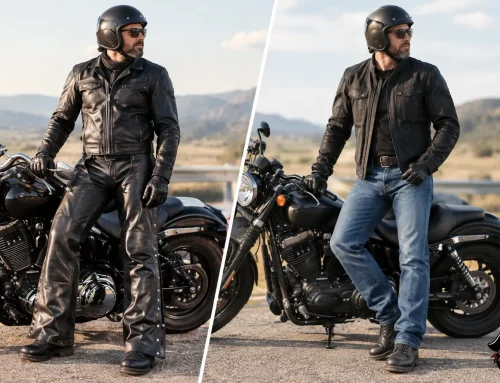
A cruiser can carry you through a whole day of backroads, stop-and-go traffic, fuel stops, and rough parking lots. Your boots take every bit of that abuse. The best motorcycle boots for cruisers are not chosen by shiny buckles alone. They need to protect your ankles, stay planted at a stoplight, work with your controls, and still look right beside a leather vest or jacket.
Cruiser riders have choices, from stripped-down harness boots to heavy-duty engineer styles and modern waterproof touring boots. The right pair comes down to how you ride, what you wear, and whether your bike sees short local runs or serious miles. Get the foundation right, and you will feel it every time you put a foot down.
What Cruiser Boots Need to Do
A proper motorcycle boot has a tougher job than a casual work boot or fashion boot. It needs enough structure to resist a twist, enough grip to keep you steady on oil-stained pavement, and enough coverage to protect the ankle from road debris, hot pipes, and the occasional bad landing at a stop.
For most cruiser riders, an over-the-ankle boot is the starting point. Low-cut riding shoes can be comfortable for around-town riding, but they leave more of the ankle exposed. A taller boot also gives your pants a cleaner, more traditional biker look while adding useful coverage.
Leather remains the classic choice for good reason. Quality full-grain leather takes a beating, molds to the rider over time, and looks better with honest miles on it. It also gives a cruiser boot the solid, no-nonsense shape riders expect. Synthetic materials can be lighter and often dry faster, but they rarely deliver the same long-term feel or road-worn character.
Do not confuse a thick boot with a protective boot. Weight alone does not tell the story. Look for reinforced toes and heels, firm ankle support, strong stitching, and a sole that is bonded or welted securely to the upper. A boot that folds too easily in your hands may be comfortable out of the box, but it will not offer much support when it counts.
Best Motorcycle Boots for Cruisers by Riding Style
There is no single boot that owns every kind of cruiser ride. Match the build to the miles you actually ride, not the image you think you need.
Harness Boots for Traditional Biker Style
Harness boots are built for riders who want the classic cruiser silhouette: squared-off or rounded toe, leather upper, low heel, and a metal ring with straps across the instep. They look at home on a Harley-style cruiser, chopper, or bagger, especially with jeans and leather.
The good ones are more than a style piece. Look for an over-the-ankle shaft, a secure zipper or pull-on fit, a reinforced toe box, and a slip-resistant sole. The trade-off is flexibility. Heavier harness boots can feel stiff during the first few rides, and a tall shaft may run warm in summer. That break-in period is often worth it if you want durable leather and real cruiser attitude.
Engineer Boots for Hard Use
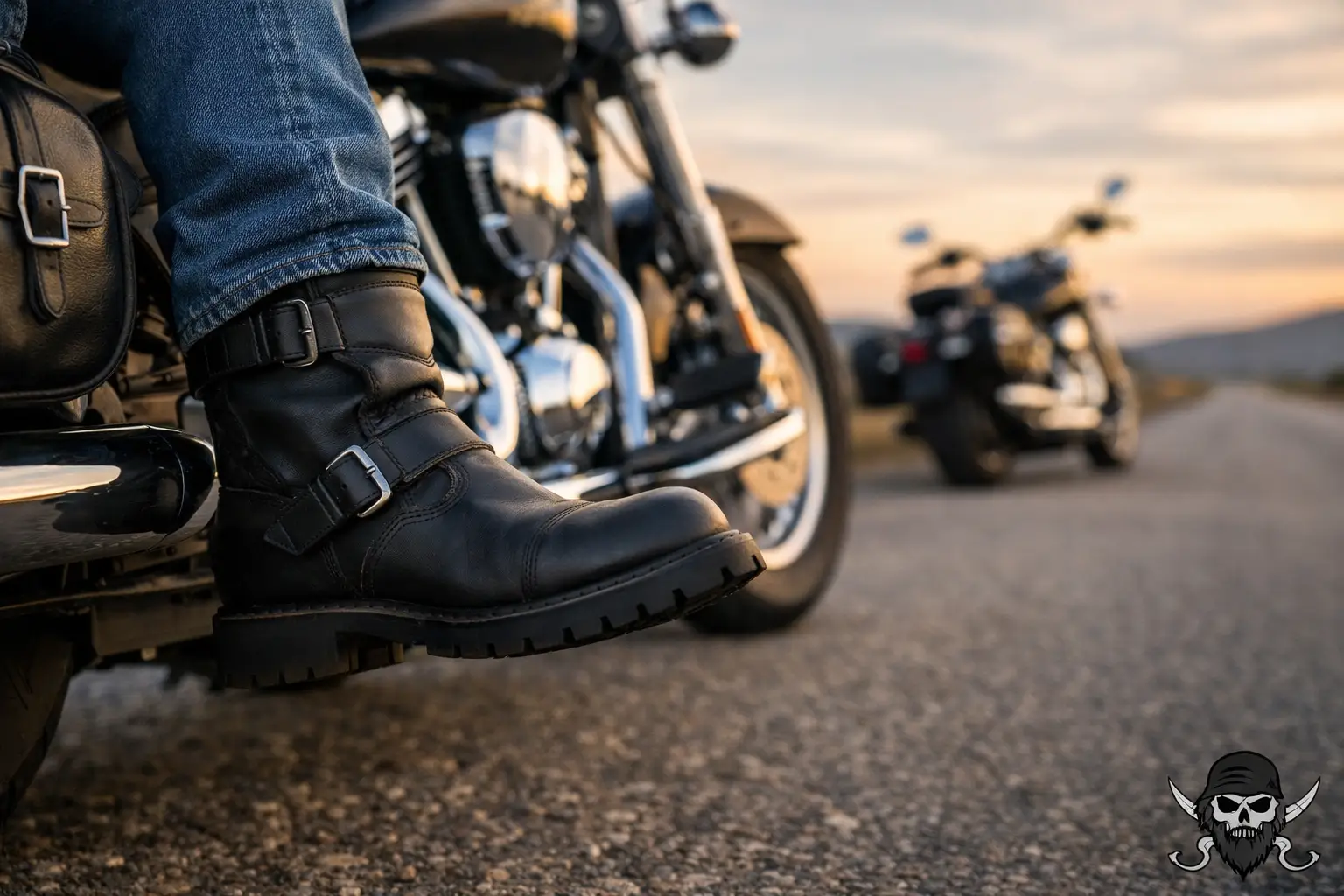
Engineer boots are a strong choice for riders who want a clean, tough boot without extra flash. Their straps help adjust the fit at the ankle and calf, while the taller leather shaft provides substantial coverage. They also work well off the bike, which matters if your ride includes long stops, events, or a full day on your feet.
Pay close attention to sole traction. Traditional smooth leather soles look sharp but can get sketchy on wet pavement, gravel, or a painted parking line. A rubber lug or oil-resistant outsole is the smarter move for riders who put in regular miles.
Tactical and Lace-Up Riding Boots
Lace-up riding boots bring a tighter, more adjustable fit. They are a good call for newer riders, riders with narrower feet, or anyone who wants the boot locked down around the ankle. Many styles add padded collars, shifter panels, side zippers, and grippy rubber soles.
This is usually the most practical category for daily use. The downside is that exposed laces can snag if they are left loose. Tuck them in, secure them properly, and avoid long loops near the shifter or foot controls. A side zipper is a useful feature because it lets you keep your preferred lace tension without tying and untieing the boot every ride.
Waterproof Cruiser Boots for All-Weather Miles
If rain does not cancel your plans, waterproof boots earn their keep fast. A waterproof membrane, sealed construction, and a moisture-resistant leather treatment can save your feet from getting soaked on a surprise storm ride. For touring riders and commuters, dry feet are not a luxury. They help you stay comfortable and focused.
Waterproofing has a trade-off: boots with liners can run warmer and may take longer to dry if water gets inside from the top. Pair them with moisture-wicking riding socks, especially during hot weather. For riders in warm, dry regions, a breathable leather boot may be the better everyday choice.
Build Features That Matter More Than Chrome
Before buying, check the parts of the boot that work hardest. These details separate a road-ready boot from something that only looks tough on a shelf.
- Ankle coverage and support: The boot should rise over the ankle and feel structured without cutting into your leg when you bend your knee.
- Reinforced toe and heel: These areas take hits from road debris, shifters, pavement, and repeated wear against foot controls.
- A grippy outsole: Rubber with a defined tread pattern offers better footing on wet asphalt, loose gravel, and slick gas-station concrete.
- A secure closure: Zippers, laces, buckles, or a combination of them should hold the boot firmly without loose hardware flapping in the wind.
- A shifter-friendly toe: Too much bulk can make it harder to feel the shifter. Too little protection lets the shifter chew up the leather fast.
Heel height deserves a quick look, too. A modest heel can help some riders keep their feet secure on floorboards or reach the ground comfortably. A tall fashion heel can make walking awkward and reduce stability. Cruiser boots should be built for control first and appearance second.
Getting the Fit Right Before You Ride
A motorcycle boot should feel secure from heel to instep. Your heel should not lift dramatically when you walk, and your toes should have enough room to move without sliding forward into the toe box. Try boots on with the same thickness of socks you expect to wear riding.
New leather boots often need a short break-in period. That is normal. Painful pressure points, numb toes, or a zipper that barely closes are not signs that a boot will magically improve with time. Do not gamble on a poor fit just because the boot looks good.
Consider your riding position. Floorboard riders may appreciate a wider, stable sole and a more relaxed toe shape. Riders using forward controls need a boot that can reach and operate the brake and shifter without feeling clumsy. If you ride a bike with a hot exhaust close to your right leg, taller leather coverage is a practical upgrade, not just a style choice.
Make Your Boots Last Past One Riding Season
Road grime, rain, heat, and brake dust will dry out leather if you ignore them. Wipe boots down after dirty rides, let them air-dry away from direct heat, and use a leather cleaner and conditioner made for riding gear. Do not bake wet boots beside a heater or leave them on a hot exhaust-side floorboard. Fast heat can crack leather and weaken adhesives.
Check the soles and stitching before long trips. A boot with a worn-down heel or separating sole has no business going on a thousand-mile weekend. Good leather riding boots can last for years, but only if you treat them like riding gear instead of disposable footwear.
At Blackbeard’s Motorcycle Gear, the smart move is choosing boots that match your bike, your mileage, and the way you ride. A clean pair of leather cruiser boots brings the look, but the right pair also keeps you stable when the road gets wet, rough, or unpredictable.
Buy for the ride you take most often. The boots that feel secure at a stop, work cleanly with your controls, and still look mean after a long day are the ones you will reach for every time the kickstand goes up.