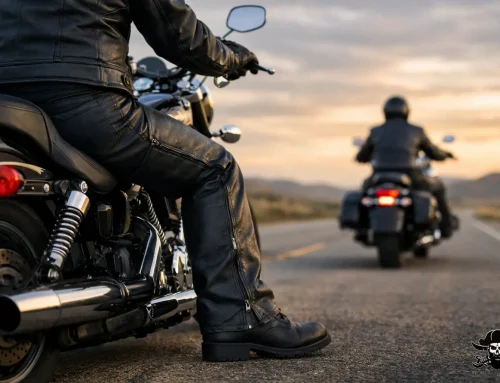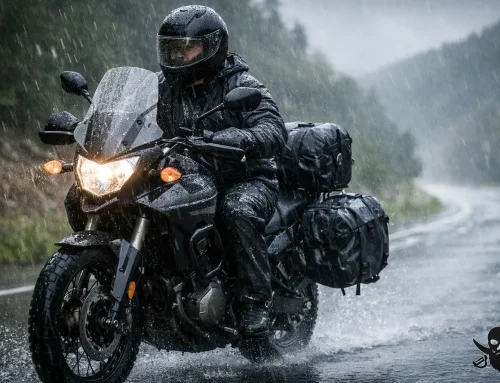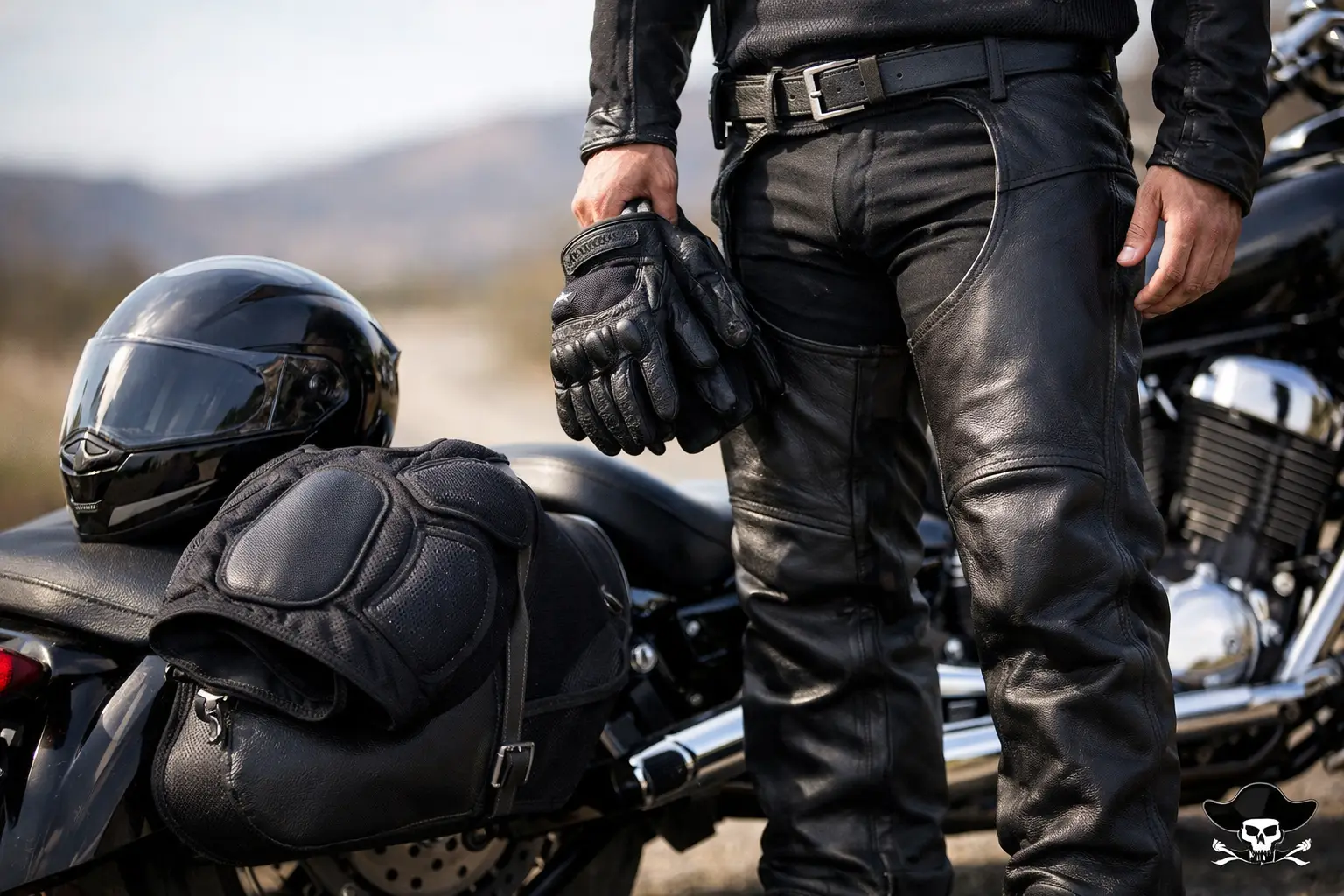
Leather chaps earn their keep when the wind cuts across the highway, road grit starts flying, or a long ride turns colder than expected. But they are not standalone pants. If you are asking what to wear under chaps, start with this rule: wear a complete, comfortable lower layer that works on and off the bike, then let the chaps add coverage where you need it.
The right setup depends on your weather, ride length, and the type of chaps you wear. A quick bar-and-grill run in dry summer heat calls for something different than a full-day interstate ride in spring. Build your layer around comfort first, then make sure nothing bunches, rubs, or restricts you once you are in the saddle.
Start With Real Pants, Not Just Chaps
Chaps wrap the legs and usually fasten around the waist, but they leave the seat and crotch open. That design gives riders flexibility, airflow, and the ability to pull them over everyday clothes. It also means you need actual pants underneath every time you ride.
For most cruiser and touring riders, jeans are the easy answer. A solid pair of straight-leg or relaxed-fit denim jeans gives you coverage where chaps do not, looks right with leather, and holds up well for everyday riding. Avoid overly loose jeans if possible. Extra fabric can bunch behind your knees or under the chaps, especially after an hour in the saddle.
If you want more protection built into your base layer, riding jeans are worth a look. Many use reinforced materials and may include pockets for armor. They cost more than regular denim, but they make sense for riders who wear chaps as an outer layer rather than relying on leather pants. Chaps can cover the leg while the jeans handle the seat, hips, and areas the chaps leave exposed.
Work pants and durable canvas pants can also work for casual rides, particularly when the weather is mild. Choose a pair with a trim enough fit to sit smoothly under leather. Thin joggers, sweatpants, or lightweight lounge pants may feel comfortable at first, but they do not offer much abrasion resistance and tend to move around under chaps.
What to Wear Under Chaps Starts With a Good Base Layer
The layer directly against your skin matters more than many riders expect. Long rides create heat, sweat, vibration, and pressure points. Bad underwear turns all of that into chafing fast.
For warm weather, moisture-wicking boxer briefs, performance briefs, or fitted compression shorts are a strong choice. They stay put better than loose cotton boxers and reduce fabric folds around the inner thigh. Look for flat seams or minimal seams if you are prone to rubbing. The goal is simple: your base layer should move with you, not twist up every time you shift on the seat.
Cotton underwear is fine for a short local ride when temperatures are comfortable. On a hot day or a long haul, though, it can stay damp after you sweat. Synthetic performance fabrics and merino blends generally manage moisture better and dry faster during a stop.
Women riders can use the same principle. Choose fitted, moisture-managing underwear or athletic shorts that do not ride up beneath jeans or leggings. If your chaps fit close through the thigh, avoid bulky seams, thick pockets, or heavy elastic bands that may press into your skin while seated.
Hot-Weather Setup
In heat, keep the layers light without getting careless. A breathable base layer under lightweight riding jeans or durable denim is usually enough, with leather chaps ready for wind, debris, and changing conditions. If you take the chaps off at a stop, you still have proper pants on.
Some riders wear athletic leggings under their chaps in brutal heat. That can feel cooler and reduce sticking against the leather, but leggings alone leave you short on protection if you remove the chaps or go down. They are better treated as a comfort layer beneath real riding pants or reinforced riding jeans, not as the only layer between you and the road.
A leather vest or riding shirt can round out a hot-weather setup without piling on a heavy jacket. Keep your gear practical. Heat is uncomfortable, but loose, flimsy clothing is not the answer at highway speed.
Cold-Weather Setup
When the temperature drops, chaps become a serious wind-blocking layer. Start with a thin thermal or moisture-wicking long john layer, then wear jeans or riding pants over it. Thin thermals work better than thick sweatpants because they add warmth without making the chaps feel tight through the thighs and knees.
For colder rides, merino wool base layers are a smart upgrade. They add insulation, manage sweat, and do not feel clammy as quickly as heavy cotton. Riders who get cold easily may prefer a fleece-lined riding pant under their chaps, but check the fit carefully before committing to a long run.
Your legs are only part of the equation. Cold air can sneak in at the waist, cuffs, and boots. Pair the setup with sturdy motorcycle boots that cover the ankle and a jacket that overlaps your waist when seated. A good leather jacket and quality chaps create a hard-working outer shell, but gaps in the system can still make a ride miserable.
Match the Pants to the Type of Chaps
Not all chaps fit or function the same way. Traditional leather chaps usually have adjustable lacing or buckles at the back waist, plus leg zippers. They are meant to fit over pants, not squeeze tightly onto bare skin. If you need to force the zipper over your jeans, the chaps are too small or your pants are too bulky.
Close-fitting motorcycle chaps call for low-profile layers. Fitted boxer briefs, straight-leg jeans, and thin thermals are usually the cleanest combination. For roomier chaps, you have more flexibility, but avoid taking that as permission to stack thick layers without testing your range of motion.
Leather expands and breaks in over time, but do not buy chaps uncomfortably tight expecting a miracle. You should be able to sit, bend your knee, mount the bike, and walk normally without the leather pulling hard across the thigh. Quality leather is built for the road, not for fighting your gear at every fuel stop.
Skip the Clothing That Causes Problems
A few choices regularly turn a good pair of chaps into a bad ride. Avoid bulky cargo pockets, heavy belt buckles that dig into your stomach, and thick wallet seams that sit directly under you. Remove keys, tools, and anything hard from your back pockets before a long ride. That stuff creates pressure points and can damage the seat.
Also skip jeans with huge flared legs. The extra material can catch in the chap zipper or bunch around your boots. If you wear boots with tall shafts, make sure your pants tuck or fall cleanly without creating a wad of denim at the ankle.
Bare legs under leather chaps are another bad bet. The leather can stick to sweaty skin, chafe at the inner thigh, and feel rough after a few miles. More importantly, chaps are designed to go over a real lower layer. Save the costume look for somewhere that does not involve asphalt and moving traffic.
Do a Seated Fit Check Before You Roll Out
Standing in front of a mirror will not tell you whether your setup works. Put on your underwear or base layer, pants, boots, and chaps, then sit on your motorcycle. Bend your knees into riding position, reach for the controls, and move around as if you are stopping, backing up, and walking into a store.
Check that the chap zipper lies flat, the waist does not cut into you, and the knee area does not pull when your feet are on the pegs. Your chaps should cover your legs without dragging on the ground or hanging over your boot heels. Trim length if needed, but do not rush that job. Leather cannot be put back once it is cut.
Pay attention to how the layers feel after ten or fifteen minutes seated. If a seam starts rubbing in the garage, it will be worse after 100 miles. Make the adjustment now, whether that means changing underwear, swapping jeans, or loosening the waist lacing a notch.
Build a Ride-Ready Leather Setup
A dependable chap setup is not complicated: comfortable performance underwear, durable pants, well-fitted leather chaps, and boots that stay planted at every stop. Add a leather jacket or vest when conditions call for it, and keep your essentials secured in motorcycle luggage instead of stuffing every pocket.
Blackbeard’s Motorcycle Gear carries road-ready leather apparel built for riders who want the hard look without giving up practical fit. Choose the layers that let you move freely, stay comfortable, and keep your attention where it belongs – on the next stretch of road.