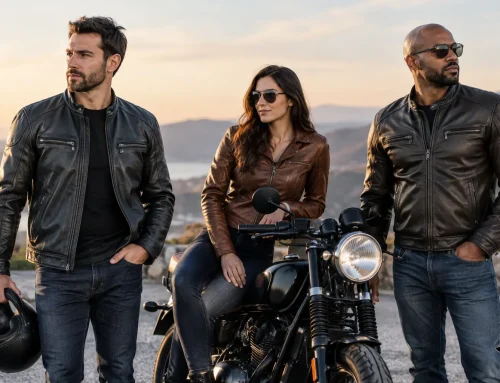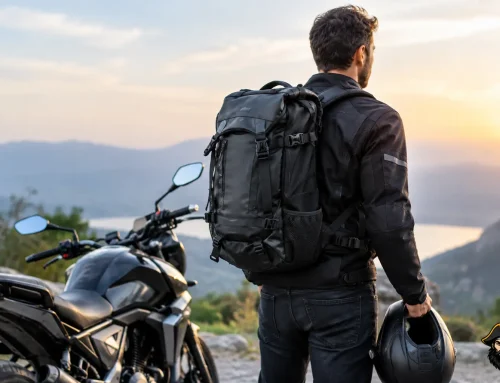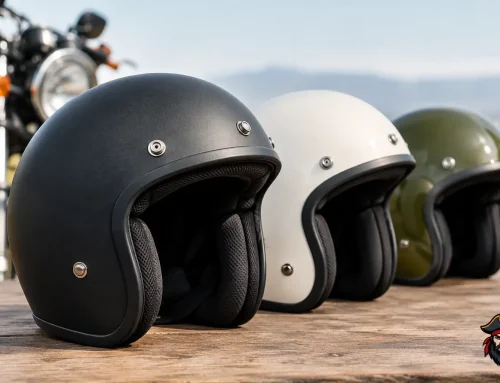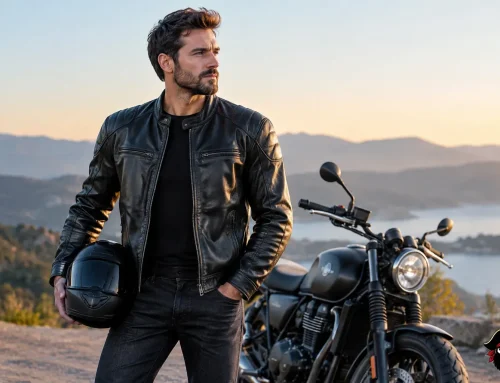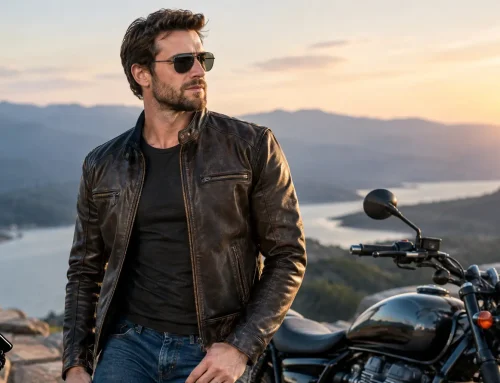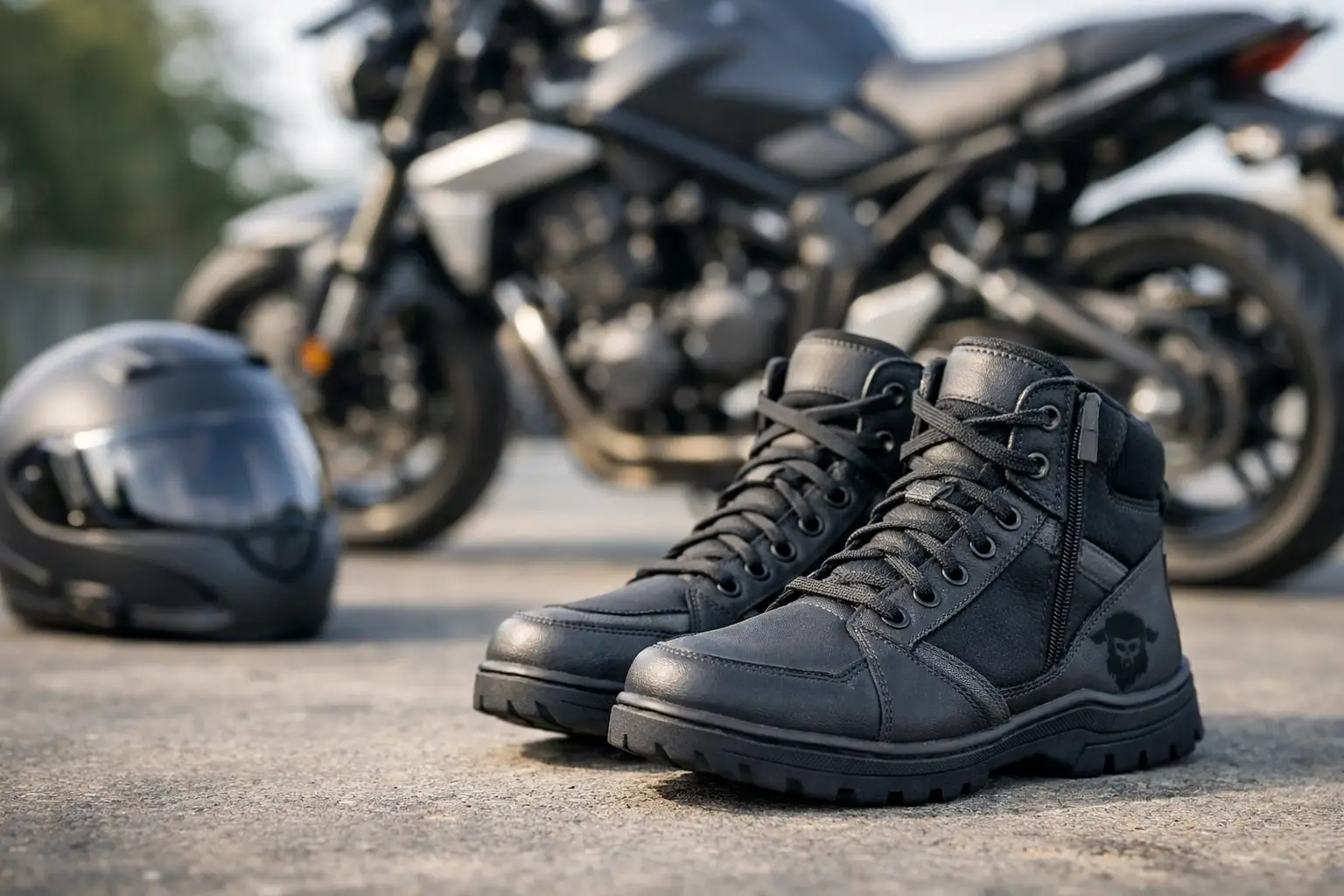
A lot of riders learn this the hard way – regular sneakers feel fine right up until you need real grip at a stoplight, better support on a shift, or more protection than canvas and foam can give. That is where motorcycle riding shoes for men earn their place. They sit in the sweet spot between casual wear and full riding boots, giving you road-ready function without looking overbuilt for a quick ride, a commute, or a night out.
For plenty of riders, especially cruiser and Harley-style riders, the right shoe is not just about checking a box for gear. It has to feel good on the bike, hold up on the pavement, and still match the rest of your setup. If it looks wrong, feels flimsy, or fights you every time you shift, it is not the right pair no matter how good the product page sounds.
What makes motorcycle riding shoes for men different
The biggest difference is protection where street shoes usually come up short. A proper riding shoe is built for abrasion resistance, ankle support, sole grip, and reinforced contact points. That matters when your feet are working the controls, supporting the bike at stops, and taking a lot more abuse than most people realize.
A good pair usually has tougher materials like leather or reinforced textile, plus added structure in the toe, heel, and ankle. Some models also include a shifter pad to reduce wear on the upper and make gear changes smoother. You may not notice every feature in the first five minutes, but you will notice the absence of those features on a longer ride.
The sole matters more than many riders expect. A flat, grippy outsole helps keep your feet planted at gas stops, on wet pavement, and on pegs. Soles that are too soft can feel vague on the bike. Soles that are too thick can make shifting clumsy. The best riding shoes balance feel and support instead of leaning too far in either direction.
When riding shoes beat full boots
There is a time for a tall boot and a time for a lower-cut riding shoe. If you are putting in serious highway miles, riding in rough weather, or want the most lower-leg coverage possible, boots still win. But not every ride calls for that much gear.
Riding shoes make sense for commuting, short weekend runs, city riding, and riders who want something easier to wear off the bike. They are quicker to get on, easier to walk in, and usually cooler in warmer weather. If your day includes time in the saddle and time on your feet, that trade-off can be worth it.
That said, lower height means less coverage. That is the trade. A riding shoe can give you a cleaner everyday look and better off-bike comfort, but it will not protect like an eight-inch boot. Riders need to be honest about how and where they ride, not just what looks best in the mirror.
How to choose the right motorcycle riding shoes for men
Start with the upper material. Leather is still the standard for a lot of riders because it is durable, road-ready, and fits the biker look without trying too hard. It also breaks in well over time. Synthetic materials can cut weight and sometimes improve breathability, but they do not always age the same way. If you want a classic look with real toughness, leather is hard to beat.
Next, check ankle coverage. A riding shoe should come high enough to offer support and help protect the ankle bone. Super-low casual styles may look sharp, but they give up too much where it counts. A mid-top profile usually hits the best balance for riders who want mobility without going all the way to a boot.
Closure matters too. Traditional laces can give a snug fit, but they need to be managed so nothing is loose near the bike. Side zippers are a strong feature if you want quicker entry and exit. Some riders like a combination of laces and a zipper because it gives a dialed-in fit without the hassle every time you gear up.
Then look at the sole. You want grip, oil resistance when possible, and enough stiffness to feel stable on pegs. If the sole bends like a running shoe, it is probably too soft for real riding use. If it feels like a brick, walking around in it may get old fast. This is where product design really separates a purpose-built riding shoe from something that just borrows the look.
Fit decides everything
You can have the best-looking pair in the world, but if the fit is wrong, they will sit in the closet. Riding shoes should feel secure around the heel, supportive through the midfoot, and roomy enough in the toe box that your feet are not cramped after an hour on the bike.
Too loose and your foot slides around, which affects control and comfort. Too tight and hot spots show up fast, especially in warm weather or stop-and-go traffic. If you ride in thicker socks, factor that in before you buy. A lot of returns happen because riders try on footwear with thin casual socks, then ride with heavy ones and wonder why the fit changed.
Break-in is normal, especially with leather, but pain is not. A slight stiffness at first is one thing. Pressure points, heel lift, or pinched toes are another. Good gear should get more comfortable as it wears in, not force you to tough it out.
Style still matters, and that is not vanity
For biker gear, style and function are usually tied together. Riders want footwear that works with jeans, leather, and the rest of the setup. A clean black riding shoe with solid construction fits that need better than something flashy that looks more like gym wear than road gear.
That is part of why black leather riding shoes stay popular. They pair with almost everything, hide wear better, and keep the look tough without being loud. For cruiser riders especially, the right shoe should look like it belongs next to a leather jacket, gloves, and a serious bike.
There is also a practical side to style. If a riding shoe looks good enough to wear into a store, to work, or out for the evening, chances are you will wear it more often. Gear only helps when you actually put it on.
Weather, season, and daily use
Not every pair works for every climate. If you ride in summer heat, breathability matters. If you deal with cooler mornings or unpredictable rain, more structure and weather resistance start to matter more. One pair rarely does everything perfectly.
A lighter riding shoe can feel great in warm weather and around town, but it may not be your best pick for cold or wet rides. A heavier leather model gives more protection and durability, but it can run warmer. For many riders, the right move is choosing based on their most common riding conditions, not the one rare trip that happens twice a year.
If you are on and off the bike all day, comfort off the bike becomes part of the value. That is where riding shoes often beat traditional boots. They can still give you the biker look and key protective features without making every step feel like you are clomping through a workshop.
What to avoid before you buy
Some shoes are built to look like riding gear without actually being riding gear. If the product details are vague, the materials feel cheap, or there is no mention of reinforcement, grip, or support, that is a red flag. Looks alone are not enough.
You should also be careful with shoes that lean too far into casual fashion. Thin canvas uppers, soft foam soles, and minimal ankle structure may be fine for everyday wear, but they are not built for the demands of motorcycle use. The road does not care whether a shoe looked cool on a shelf.
Price matters, but value matters more. A cheap pair that wears out fast or gives weak protection is not a deal. A well-made pair that fits right, lasts longer, and actually supports your ride usually pays off better. That is especially true when you buy from a rider-focused store that knows the difference between costume and gear, like Blackbeard’s Motorcycle Gear.
The right pair should disappear on the ride
That is really the goal. Once you are rolling, you should not be thinking about your shoes. You should not be fighting the shift lever, slipping at stops, or counting the minutes until you can take them off. The right pair feels planted, supportive, and ready for the road without slowing you down.
If you want something lighter than a full boot but tougher than everyday sneakers, motorcycle riding shoes for men are a smart buy. Get the fit right, choose real riding features, and stick with a style you will actually wear. Good gear does not need hype. It just needs to do its job every time you throw a leg over the bike.
The best pair is the one that matches your ride, your habits, and your standards – because comfort is nice, but confidence at every stop, shift, and mile is what keeps you reaching for them.