Cold morning throttle, hot afternoon traffic, surprise rain on the way home – motorcycle gloves put in work every mile. They are not an add-on and they are not just about looks. A good pair protects your hands when the weather turns, keeps your grip steady, and gives you the control you need when the road gets rough.
A lot of riders buy gloves the same way they buy a gas station coffee – fast, cheap, and without much thought. That usually ends with stiff seams, numb fingers, weak palm material, or a pair that looks tough but falls short when it counts. If you ride regularly, your gloves need to do more than match your jacket. They need to earn their place in your gear lineup.
Why motorcycle gloves matter more than riders think
Your hands are always working on the bike. Throttle, clutch, front brake, switches, hand signals – every ride depends on feel and control. If your gloves are too bulky, too slick, or too loose, your connection to the bike suffers. If they are too thin, your hands take the hit from wind, vibration, debris, and weather.
There is also the part riders do not like to think about. In a fall, people naturally reach out with their hands. That means palms, knuckles, and fingers are exposed fast. The right glove gives you a better shot at abrasion resistance and impact protection where it matters most. No gear makes you invincible, but bad gloves leave you exposed in a hurry.
What to look for in motorcycle gloves
The best gloves balance four things – protection, fit, comfort, and riding style. Miss one, and the whole pair can feel wrong.
Material makes a real difference
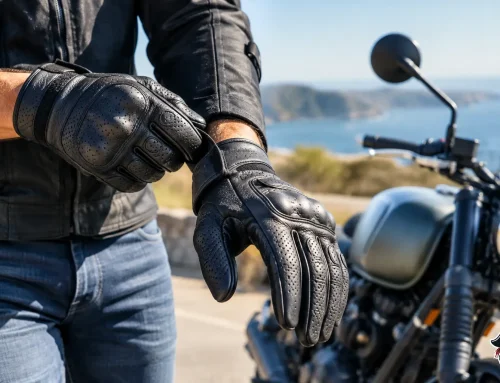
Leather stays popular for a reason. It has the biker look most cruiser and V-twin riders want, but it also holds up well, breaks in over time, and feels solid on the bars. A quality leather glove can go from stiff on day one to just right after a handful of rides.
Textile gloves have their place too, especially for hot weather or wet conditions. They are often lighter and more flexible out of the box. The trade-off is that some textile options do not give the same road-ready feel or long-term wear as a well-made leather glove. It depends on how you ride and what kind of weather you deal with most.
A lot of strong gloves now mix materials. You might see leather in the palm and impact zones with textile stretch panels for mobility. That can be a smart setup if it is done well. If it is done cheaply, it just means more seams and more weak points.
Protection should be built in, not tacked on
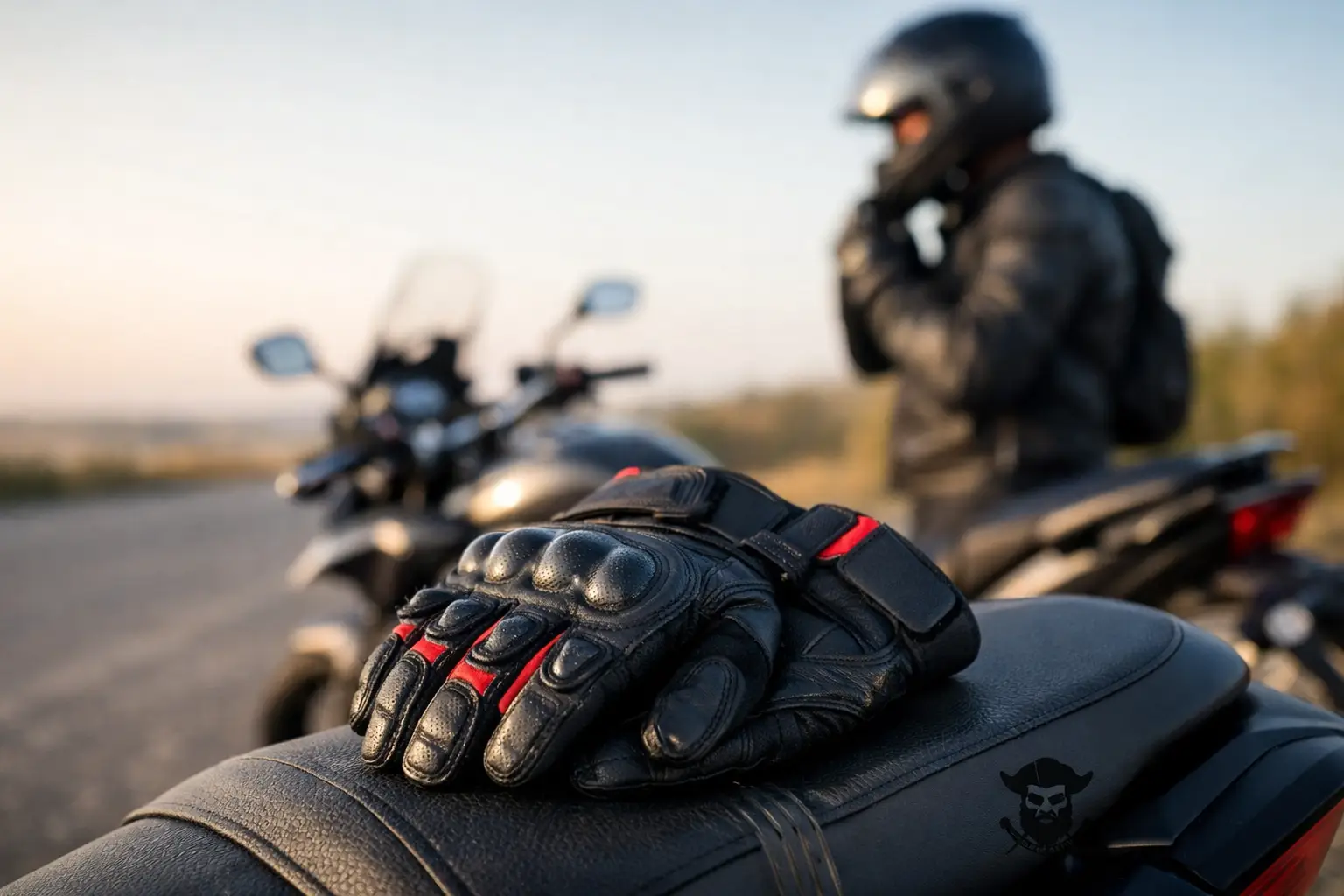
Hard knuckle protection gets attention because it looks aggressive, but that is only part of the story. Palm reinforcement matters just as much, sometimes more. Extra padding or layered material in high-contact areas can help reduce wear and improve comfort on longer rides.
Finger armor, wrist coverage, and secure closures all matter too. A short cuff glove may be great for quick summer rides, but a longer cuff can give you better overlap with your jacket and more coverage at speed. There is no single right answer here. City riders, highway riders, and weekend bar-hoppers do not all need the same setup.
Fit is where good gloves become great gloves
Too tight and your fingers go numb. Too loose and the material bunches up in your palm, which kills feel at the controls. The right glove should feel snug without pinching, with enough room for natural hand movement and no extra slop at the fingertips.
Break-in is real, especially with leather, but do not count on a bad fit turning into a good one. A glove that is painfully tight across the knuckles or loose at the wrist is not likely to become your favorite after a few rides. Riders shopping online should pay close attention to sizing guidance because glove sizing can vary more than people expect.
Choosing motorcycle gloves by riding conditions
One pair can do a lot, but no glove rules every season. Riders who put in serious miles usually figure this out the hard way.
Warm weather riding
For hot days, airflow matters. Perforated leather or vented panels can help keep your hands from turning into sweatboxes at stoplights. You still want decent palm reinforcement and a secure wrist closure, even in lighter gloves. Going ultra-thin may feel better in the parking lot, but highway wind and road grit can change your mind fast.
Cool weather and longer rides
When temperatures drop, exposed hands can wear you down faster than expected. Insulated gloves help, but bulk can become a problem if the design is clumsy. You want warmth without losing brake and clutch feel. A glove with moderate insulation and a wind-blocking outer layer is often a better real-world choice than something heavily padded that makes your controls feel vague.
Rain and changing conditions
Wet gloves are miserable. They get heavy, cold, and slick in a hurry. If you ride in mixed weather, water resistance becomes more than a nice extra. Some riders keep a dedicated rain pair because even a great all-around glove can struggle once it is soaked through. If your local riding season includes surprise storms, that second pair is money well spent.
Style matters, but function has to win
Let us be honest – riders care how gear looks. That is not vanity. It is part of rider identity. Black leather, clean stitching, tough hardware, solid road presence – it all matters when your gear is part of your everyday ride.
But style cannot cover for weak construction. A glove can look mean and still fail on comfort, grip, or durability. The best motorcycle gloves hit both sides of the deal. They look right with your jacket, vest, and boots, and they hold up where cheap pairs start coming apart.
For cruiser and Harley-style riders, classic leather gloves usually stay at the top for a reason. They match the bike, the jacket, and the culture without feeling costume-like. If they also give you padded palms, dependable closures, and a shape that works on long rides, that is a solid buy.
Common mistakes riders make when buying gloves
The first mistake is buying by looks alone. The second is buying only by price. Bargain gloves can be fine for short-term use, but if the stitching starts going, the liner twists, or the palm gets slick, you are back in the market again.
Another mistake is ignoring the wrist closure. A glove that shifts around while you ride is a hassle every mile. A secure closure helps the glove stay put and gives the whole fit a more planted feel.
Riders also underestimate how specific their needs are. Someone doing short local rides in fair weather can get away with a different glove than someone riding highways, back roads, and early mornings every week. Be honest about how you actually ride, not how you picture yourself riding twice a year.
When it is time to replace your motorcycle gloves
Even a good pair has a shelf life. If the palm is thinning, the seams are separating, the closure no longer holds, or the fingers have stretched out enough to affect control, it is time. The same goes for gloves that have taken a hard hit in a crash. Damage is not always obvious from a quick look.
Comfort changes can be a warning too. If your hands are getting more fatigued and nothing else on the bike has changed, worn gloves may be part of the problem. Grip loss, compressed padding, and misshapen fingers can sneak up on you over time.
For riders who want the classic biker look without giving up everyday function, a well-built leather glove is usually the smart play. It fits the lifestyle, works across a wide range of conditions, and does not look out of place when the ride turns into an all-day haul. Shops like Blackbeard’s Motorcycle Gear understand that balance because riders are not just buying fashion – they are buying gear that has to show up when the road does.
The right gloves should feel like part of the bike, not something between you and it. Buy for fit, buy for the way you really ride, and do not be afraid to own more than one pair if the miles demand it.