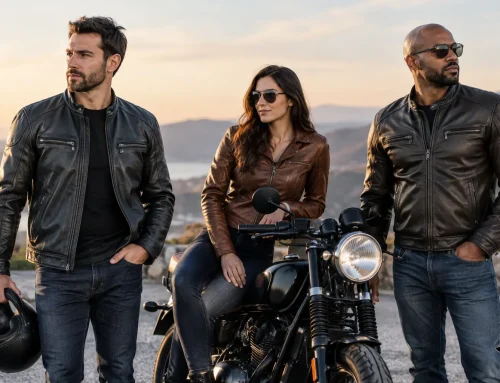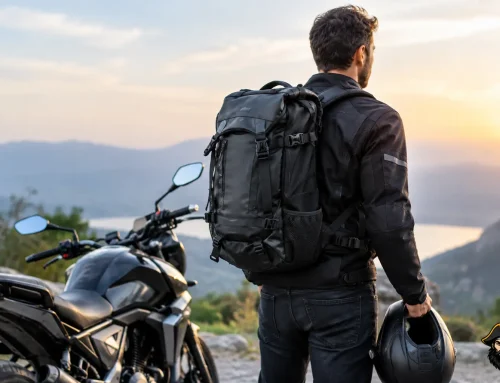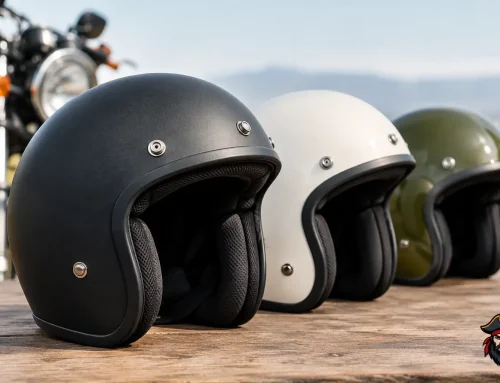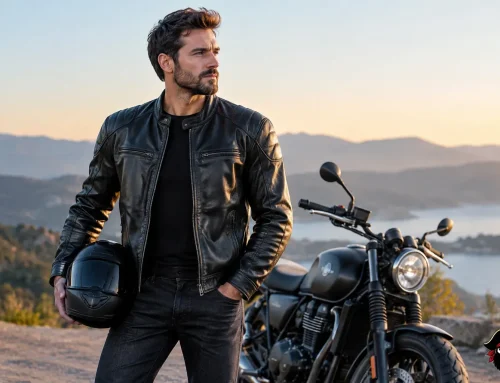
Cold fingers on the highway, sweaty palms in traffic, numb spots after an hour in the saddle – that is usually when riders start asking how to choose motorcycle riding gloves the right way. Gloves are not just an extra piece of gear. They affect grip, comfort, control, and how confident you feel every time you roll on the throttle.
A lot of riders buy gloves by looks first. Nothing wrong with wanting a tough leather style that matches the bike and the rest of your gear. But if the glove pinches, slides around, or leaves your hands cooked in summer or frozen in fall, it is money wasted. The right pair needs to work on the bars, not just look good standing next to them.
How to choose motorcycle riding gloves for real-world riding
Start with the kind of riding you actually do. A short cruise across town, a full-day highway run, and a cold-weather morning commute do not call for the exact same glove. If you mostly ride cruisers, choppers, or touring bikes, you will probably want a glove that balances road-ready protection with all-day comfort and a strong biker look.
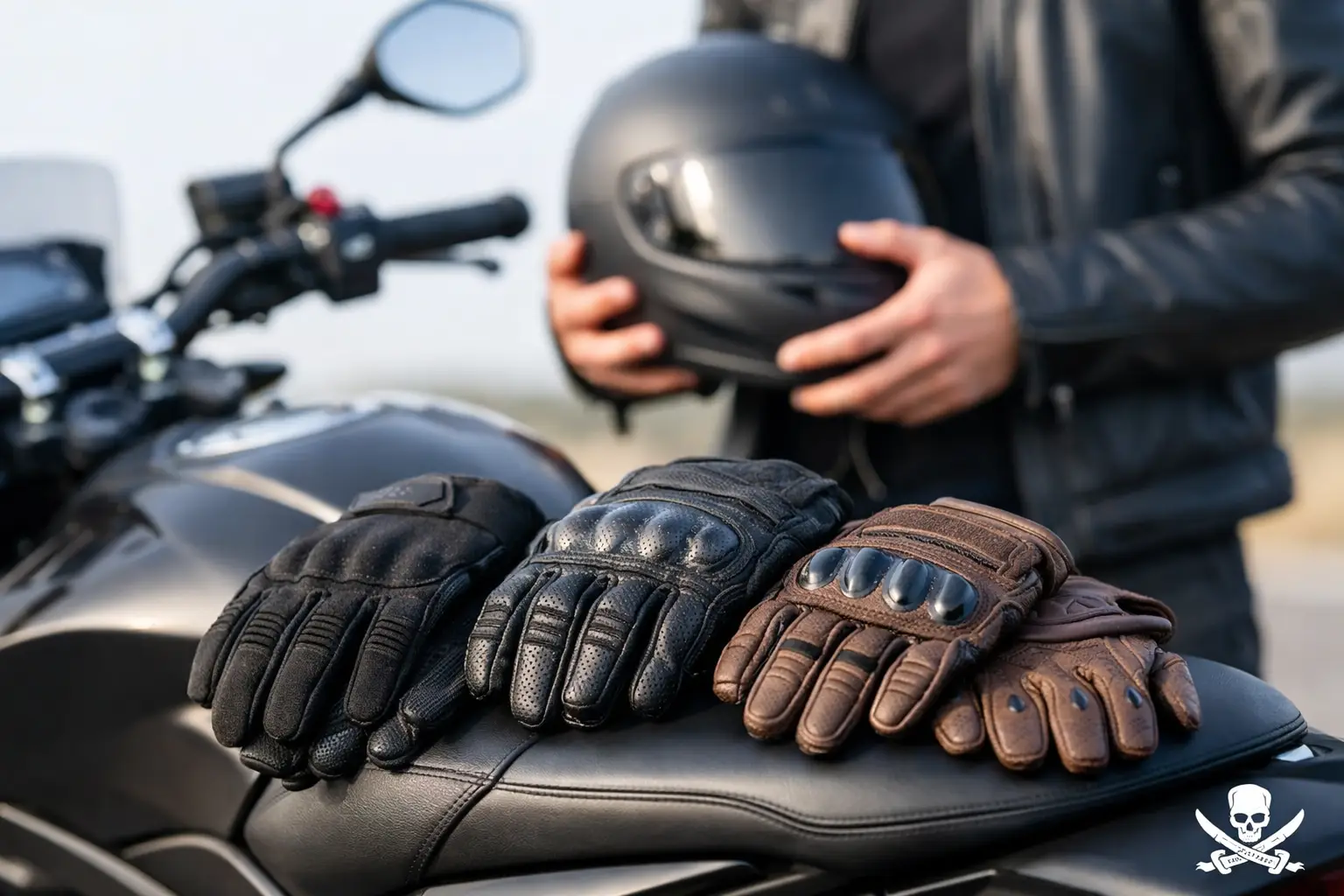
That usually puts leather at the front of the pack. Good leather riding gloves have the feel most riders want – durable, broken-in over time, and naturally suited to the style of classic American bikes. They also tend to hold up well, especially when the leather is thick enough to inspire confidence without making your hands feel stiff on the controls.
Textile gloves have a place, especially in hot weather or rain, but many cruiser riders still lean leather because it wears well and looks right with a leather jacket, vest, or boots. It depends on your climate and how much versatility you need. If you ride mostly in fair weather and want one dependable pair, leather is hard to beat.
Fit comes first
If the fit is off, nothing else matters much. A glove can have great leather, solid knuckle coverage, and a fair price, but if it bunches in the palm or pulls at the fingertips, you will feel it every mile.
A proper riding glove should feel snug without cutting off movement. Your fingers should reach close to the ends without being jammed. The palm should sit flat against your hand so you can keep a secure feel on the grips. If there is too much loose material, especially in the palm or fingertips, the glove can reduce control and become annoying fast.
Too tight is just as bad. Tight gloves can restrict movement, create pressure points, and make your hands tired sooner. Leather will give a little with wear, but not enough to fix a clearly bad fit. Buy for the fit you need now, not the fit you hope it turns into.
Closures matter here too. A wrist strap or adjustable cuff helps keep the glove planted and stops wind from pushing in. A loose cuff may feel easy to slip on, but it can also shift around when you are riding. The best choice is usually secure without being a hassle.
Material matters more than most riders think
When riders ask how to choose motorcycle riding gloves, material is one of the biggest deciding factors. Different leathers and builds change how the glove feels, how it wears, and what kind of riding it suits.
Cowhide is a common favorite because it is tough and dependable. It offers a solid balance of durability and feel, which makes it a strong option for everyday road use. Goatskin is often softer and more flexible right out of the gate, so some riders prefer it for comfort and control. Deerskin feels great too, but the best choice still comes down to the overall build quality, not just the label.
Lining also changes the experience. An unlined glove gives you more direct feel on the controls and usually works better in warmer weather. A lined glove can add comfort and help in cooler temperatures, but too much bulk can reduce bar feel. That trade-off matters if you spend long hours riding or prefer a more connected grip.
You should also look at stitching and panel construction. Reinforced palms, double stitching in high-wear areas, and clean seam placement usually tell you more than marketing copy does. A glove that looks tough but cuts corners at the seams will not stay road-ready for long.
Protection should match your ride
Not every rider needs race-style armor. But every rider should think about impact areas and abrasion resistance. Your hands are usually the first thing out when things go wrong, so this is not the place to go too cheap.
For cruiser and street riders, practical protection often means padded palms, reinforced wear zones, secure wrist closure, and some form of knuckle coverage. That can be hard armor, padded leather, or integrated protection that keeps a cleaner classic look. If you want a more traditional biker style, there are plenty of gloves that keep the look tough without going full sportbike.
The trick is being honest about your riding. If most of your time is spent on open roads at speed, protection deserves more weight in the decision. If you are picking up a pair for casual warm-weather local rides, you may prioritize flexibility and ventilation a little more. There is no one-size-fits-all answer, but there is always a trade-off.
Weather changes the right answer
One pair of gloves rarely handles every season well. Riders often try to force one glove to do summer, fall, and chilly morning duty, then wonder why it never feels quite right.
Warm-weather gloves should breathe, flex easily, and avoid heavy bulk. Perforated leather can be a strong choice if you want airflow without giving up that classic leather look. It keeps the glove from feeling like an oven at stoplights while still matching the rest of your riding gear.
Cool-weather gloves need more coverage and some insulation, but too much can make your controls feel vague. That is the balancing act. If you ride through changing seasons, it may make more sense to own two pairs rather than compromise every ride with one glove that is just okay at everything.
Rain adds another layer. Some riders want waterproof performance, others would rather carry a dedicated wet-weather option and keep their daily leather gloves for dry conditions. If your main priority is appearance, comfort, and everyday road use, a quality leather glove may still be the best buy, with weather-specific backups added later.
Style matters, but function wins
Let us be honest – motorcycle gear is part of the identity. Riders want gloves that look right with black leather, denim, boots, and the bike itself. That is part of the culture, and there is nothing wrong with buying gear that fits your style.
But style should narrow the field, not make the final call by itself. A fingerless glove may suit a certain look, but it gives up coverage. A heavy insulated glove may look solid, but if it kills your lever feel, it is not doing you favors. A sleek short-cuff glove may be perfect for summer cruising, while a gauntlet cuff might work better for longer highway miles.
The better move is to find the overlap – gloves that look tough, wear well, and give you the function you need. That is where quality leather gear earns its keep. It brings the rider attitude without giving up practicality.
Small features can make a big difference
Once you have fit, material, and protection dialed in, the smaller details start to matter. Stretch panels can improve comfort. Reinforced palms can help with grip fatigue. Touchscreen compatibility may be useful if you stop often and check your phone or GPS, though not every rider cares about that.
Cuff length is another personal call. Short cuffs are easier and cooler in hot weather. Longer cuffs give more coverage and can pair better with jackets on faster rides. Neither is automatically better. It depends on when, where, and how you ride.
Price matters too, but cheapest is rarely the best value. A low-cost pair that wears out fast or feels wrong after twenty minutes is not a deal. Better materials, better construction, and a better fit usually pay for themselves in comfort and longevity. For riders shopping leather apparel and road gear, that same rule applies across the board.
Buy for the ride you have, not the one you imagine
A lot of bad gear purchases happen because riders buy for some future version of themselves. They buy winter gloves for summer riding, race-focused protection for laid-back cruising, or lightweight fashion gloves that cannot handle regular miles. Be honest about your routine.
If you ride mostly on weekends in warm weather, buy gloves that make those rides better. If you put down serious highway miles, buy for endurance and protection. If you want gear that matches your leather jacket and boots without looking watered down, lean into quality leather and solid construction.
That is where a rider-focused store like Blackbeard’s Motorcycle Gear makes sense. When the gear is built around biker style, road use, and value, it is easier to find gloves that do not force you to choose between looks and function.
The right gloves should feel like part of the ride the moment you wrap your hands around the bars – secure, comfortable, and ready for the miles ahead.