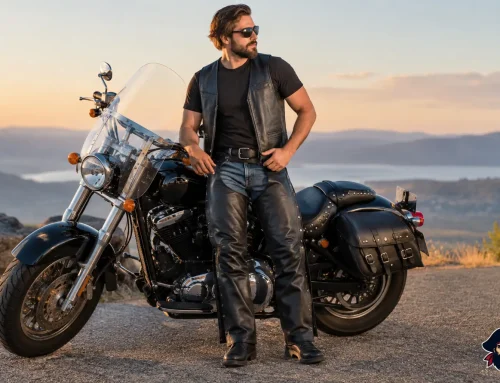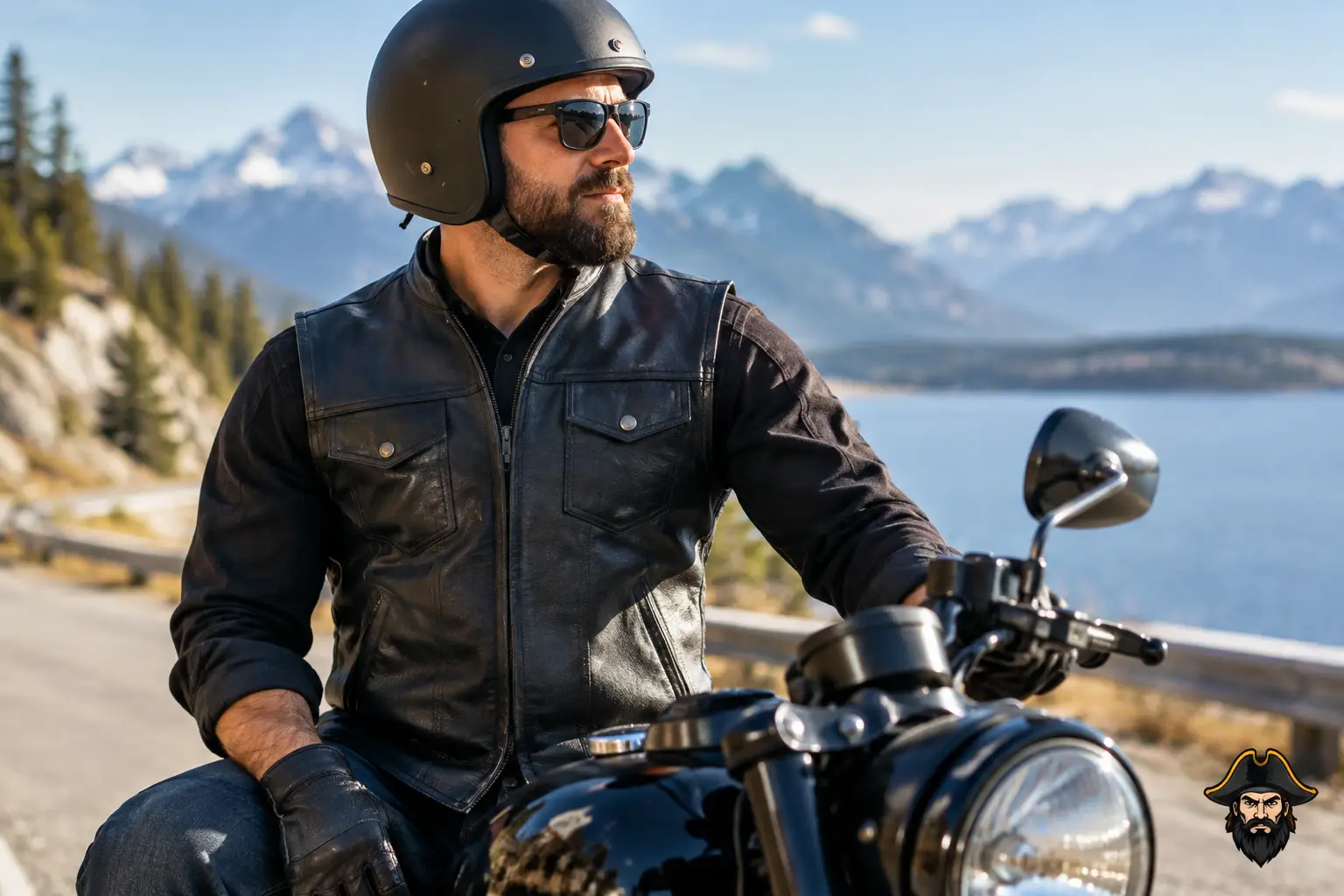
A leather vest looks right on a cruiser, but the road does not care how sharp it looks. Wind finds every gap at highway speed. So, are leather vests warm enough? They can be for mild weather and short rides, especially with a good base layer underneath. Once temperatures drop or the miles pile up, a vest works best as part of a layering system, not as your only cold-weather gear.
A quality leather vest earns its place because it cuts wind across your chest and back, holds up to hard use, and gives you a tough outer layer that does not flap around like a thin shirt. It also leaves your arms free for movement. That freedom comes with a trade-off: uncovered arms lose heat fast.
Are Leather Vests Warm Enough on the Road?
For a warm afternoon, a leather vest over a T-shirt may be all you need. For a cool morning, a long-sleeve shirt, flannel, or riding shirt under the vest can keep the ride comfortable. In cold weather, the answer changes. A vest alone is not enough for most riders traveling at highway speed.
The key difference is wind chill. A 55-degree day can feel far colder when you are moving through the air at 60 or 70 mph. Leather does a solid job blocking that wind over the torso, but it does not create much insulation by itself. Thick leather holds more warmth than thin fashion leather, yet neither replaces the coverage of a lined leather jacket when the temperature really falls.
Think of a vest as a wind-blocking shell for your core. It helps preserve body heat where it matters most, but it cannot protect what it does not cover. Your forearms, neck, hands, and lower back are usually the first places cold air starts winning the fight.
What Makes One Leather Vest Warmer Than Another?
Not all vests are built for the same job. A lightweight fashion vest may look good at a stoplight, but it will not perform like a heavier riding vest built from quality leather. Material, lining, fit, and closure all affect how much warmth you get.
Heavier leather offers better resistance to wind than soft, thin hides. A vest with a substantial body, solid stitching, and a full front closure creates a better barrier against moving air. A zip-front vest generally seals out wind more effectively than an open-front style, while snaps can still work well when the fit is close and the front does not gap in the breeze.
A lined vest adds another layer between you and the leather. That lining is useful, but it is not the same as true insulation. If you ride in late fall, winter, or early spring, look for room to wear a thermal shirt, hoodie, or light midlayer under the vest without feeling squeezed across the chest and shoulders.
Fit matters for warmth, but not in the way many riders assume. A vest should sit close enough to limit wind entering through the armholes and front, while still allowing you to move naturally on the bike. A vest that hangs loose may look relaxed, but it gives cold air more room to circulate. One that is too tight makes layering uncomfortable and can restrict motion when you reach for the bars.
When a Leather Vest Works Best
Leather vests shine in changing conditions. They are ideal for spring and fall rides where the day starts cool, warms up by noon, and turns chilly again after sunset. They also work well for city riding, shorter trips, and runs where you can add or remove a layer without hauling a full jacket around all day.
They are especially useful when you want the protection and presence of leather without the bulk of a jacket. Many cruiser riders prefer the open-arm feel, whether they are running local roads, heading to a rally, or spending a long afternoon in the saddle. A vest also gives you pockets for the small stuff you need close at hand.
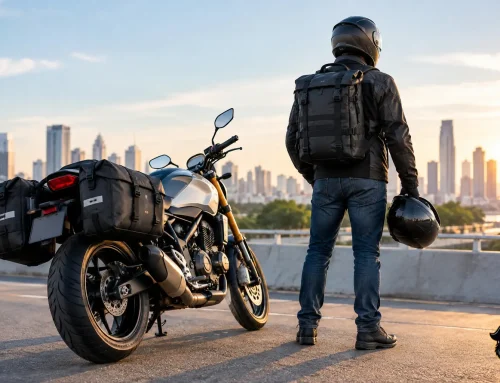
For mild conditions, start simple: wear a breathable shirt under the vest and carry a light layer in your motorcycle luggage. That lets you adjust before the temperature catches you off guard. A compact rain shell can also help stop wind and light rain when the forecast turns ugly, though it should not be mistaken for dedicated cold-weather gear.
Where a Vest Falls Short
A leather vest has limits. It cannot replace sleeves when cold air is hitting your arms for hours. It also leaves more exposure around the neck and shoulders than a jacket with a high collar or zip-up front. If you are riding before sunrise, after dark, through mountain weather, or during a cold-front day, bring a leather jacket or another full-coverage outer layer.
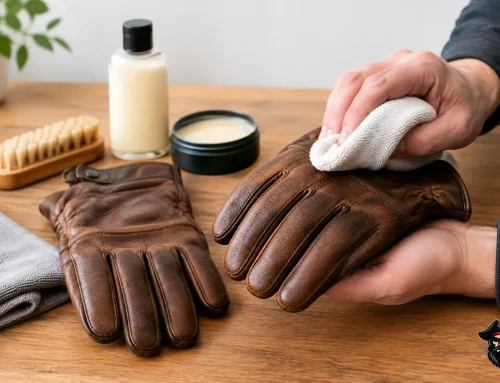
Rain changes the equation too. Leather can handle everyday use, but a soaked vest is heavier, colder, and less comfortable. Keep it conditioned and properly cared for, but do not expect any leather vest to serve as a complete rain suit. Wet gloves, wet boots, and wet sleeves will pull heat out of you fast, even if your torso is covered.
Long-distance riders should also consider fatigue. Being slightly cold for ten minutes is one thing. Being cold for three hours can make your hands stiff, distract you from traffic, and turn an otherwise good ride into a grind. Warmth is not just comfort. It helps you stay focused and ready to react.
Build a Layering Setup That Holds Up
The strongest cold-weather setup starts next to the skin. A moisture-wicking base layer helps prevent sweat from making you cold when the pace slows down. Over that, add a thermal long-sleeve shirt, flannel, or insulated riding layer. Then use the leather vest as the wind-resistant outer piece when conditions allow.
As temperatures drop further, move up to a leather jacket. A quality jacket covers the arms, adds another barrier against wind, and gives you more protection for serious riding. Pair it with dependable gloves and motorcycle boots, because cold hands and feet can ruin a ride before your torso feels the chill. A neck gaiter or face covering can make a bigger difference than riders expect by closing the gap where air enters at the collar.
Do not forget the lower half. Heavy jeans may look the part, but wind can cut through them on an open highway. If the day calls for real cold-weather riding, add a base layer or riding pants designed to block wind. The goal is not to pile on random clothing until you can barely move. It is to build layers that manage moisture, trap warmth, and stop wind without getting in the way.
Leather Vest or Leather Jacket?
Choose a vest when the weather is mild, the ride is shorter, or you want maximum freedom through the arms. Choose a leather jacket when temperatures are low, wind is steady, rain is possible, or you will be riding at speed for extended miles. There is no mystery to it: more coverage means more warmth.
That does not make the vest a second-choice piece of gear. It makes it a versatile one. A well-made leather vest can handle a huge part of the riding season when you use it with the right layers. It also gives you the biker look riders want without forcing you into a heavy jacket on every ride.
Blackbeard’s Motorcycle Gear carries quality leather vests and riding layers made for riders who want road-ready function without giving up the look. Get the vest for the days it owns, keep a jacket ready for the cold, and do not let a bad temperature call turn into a miserable ride.