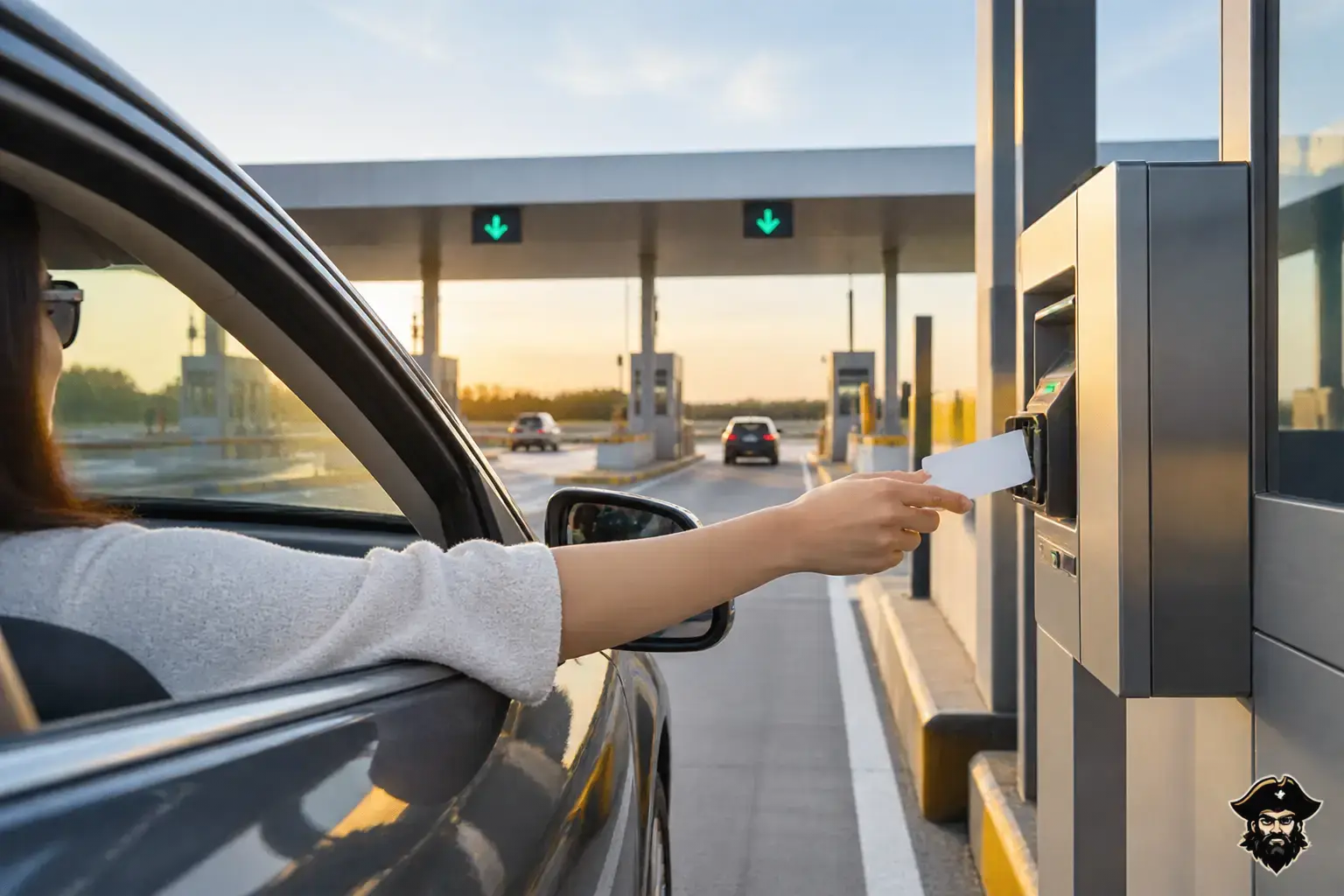
A toll booth is a bad place to dig through a vest pocket, fight a glove, or take your eyes off the lane. This toll holder case study looks at a small piece of motorcycle gear that fixes a real road problem: carrying a toll pass where you can reach it fast, without cluttering up or scratching your handlebars.
For cruiser, chopper, and Harley-style riders, the details matter. Your bike is not a place for cheap plastic junk that rattles, slips, or rubs finish off the bars. A toll pass holder needs to be tough enough for highway miles, simple enough to use with riding gloves, and secure enough that you are not wondering where your pass went at 70 mph.
Toll Holder Case Study: The Problem at the Gate
Consider a rider making regular runs through toll territory. The route may include work commutes, weekend group rides, or long runs that cross state lines. The toll pass works fine in a car windshield, but on a motorcycle, the rider has limited places to carry it. A jacket pocket can work until rain, thick gloves, or a crowded toll lane turn a two-second move into a hassle.
The common workaround is to toss the transponder into a bag, a pocket, or a loose holder attached somewhere on the bike. Each option comes with a trade-off. A bag requires reaching back or stopping. A pocket puts the pass behind a zipper or snap. A poorly designed handlebar mount can shift around, block controls, or leave marks on chrome, paint, or powder-coated bars.
That is the real problem. The pass itself is small. The interruption is not. Every extra motion at a toll gate steals attention from traffic, balance, braking, and the rider behind you who wants to keep moving.
What a Motorcycle Toll Holder Must Do
A useful toll pass holder has a straightforward job. It should keep the transponder in a consistent place, hold it securely through vibration, and give the rider quick access without turning the handlebars into a mess. Sounds simple. It is not, especially when the bike sees heat, rain, road grit, and miles of vibration.
The holder also has to respect the motorcycle. Riders spend serious money on clean bars, custom controls, leather bags, and the kind of details that separate a built bike from a parts-bin machine. A mount that digs into the bars is not a bargain, even if it costs less at checkout.
The best setup is rugged, easy to operate, and built to avoid scratching the bars. That last part matters more than many riders realize. A mark under a clamp can become a bigger problem later, especially if moisture gets into a damaged finish. Even when it does not, nobody wants to pull off a cheap accessory and find a permanent reminder underneath.
The Road Test: Convenience Without the Clutter
In this case, the rider mounts a dedicated toll pass holder where it is visible and reachable. The transponder goes in before the ride, rather than getting stuffed into a pocket at the last minute. At the gate, there is no rummaging through a leather vest, no unzipping a motorcycle bag, and no rushed movement while balancing a loaded bike.
The gain is not about shaving a few seconds off a stop. It is about making the process predictable. The pass has one job and one place. When the toll lane appears, the rider already knows where the transponder is.
That consistency carries over to longer rides. On a day run, a rider may hit one toll booth and barely think about it. On a multi-state route, repeated tolls expose every weak point in the setup. Loose gear becomes annoying. A difficult clip becomes a nuisance. A holder that stays put and protects the bars earns its place quickly.
There is a practical limit here. Not every toll system reads every pass the same way, and mounting location can affect read performance. Riders should always follow the instructions for their particular toll provider and test the arrangement close to home before trusting it on a long trip. A dependable holder solves the access and mounting problem, but it cannot change the rules of a toll authority.
Why No-Scratch Construction Is the Difference
Many accessories get judged on the shelf instead of after a riding season. A toll holder may look fine in a product photo, but the real question is what happens after vibration, weather, and repeated contact with the bike.
A no-scratch design addresses the ownership side of riding. It means the holder is made to do its job without chewing up the surface it attaches to. For riders with black bars, polished metal, ape hangers, or custom finishes, that is a hard requirement, not a bonus feature.
It also keeps the bike looking right when the holder comes off. Maybe the rider changes routes, sells the motorcycle, or moves the pass to another machine. The bars should not pay the price for an accessory that was supposed to make the ride easier.
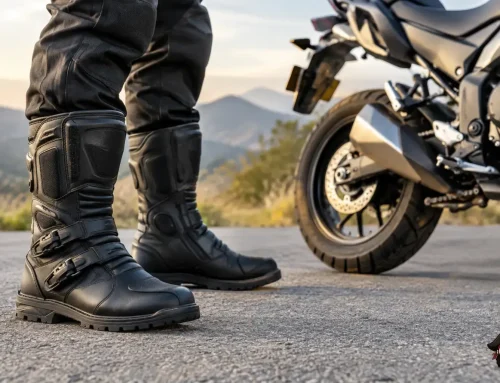
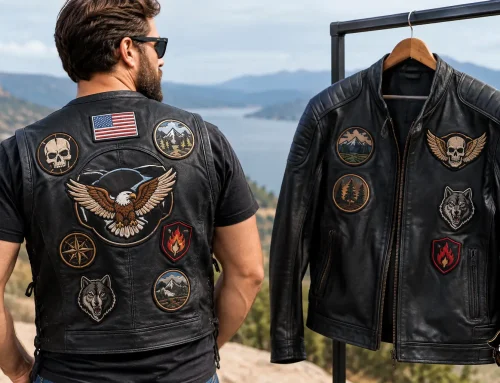
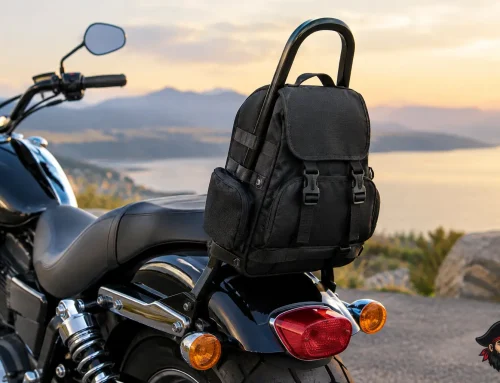
That same thinking should guide the rest of a rider’s setup. Leather jackets and vests need to handle real wind and road wear while still carrying the look riders want. Boots need traction and support without feeling like a chore at every stop. Gloves need grip and protection without making basic controls harder to use. Motorcycle luggage needs to carry the load without becoming dead weight or an awkward add-on.
The gear that stays in rotation is usually the gear that handles its work without demanding attention. A toll holder belongs in that category.
Building a Smarter Road Setup
A motorcycle is more than a collection of parts. On the road, every piece of gear affects the next move. A pass holder mounted where it belongs keeps a rider from digging into a saddlebag. A well-made leather jacket gives weather protection and road-ready style. Proper luggage keeps essential tools, layers, and travel gear organized instead of strapped down with guesswork.
This matters most for riders who use their bikes. The weekend rider heading to a rally, the daily commuter cutting across a toll bridge, and the touring rider crossing several states all need gear that earns its space. Flash is fine. Function is mandatory.
That is why Blackbeard’s Motorcycle Gear built its proprietary Motorcycle Toll Pass Holder around a simple promise: rugged use, easy access, and no scratched bars. It is a small upgrade, but it removes one of those irritating little problems that can break the rhythm of a good ride.
The same no-nonsense approach applies when putting together the rest of the kit. Start with dependable leather, solid boots, gloves that work with your controls, and luggage that fits the miles you actually ride. If you wear a DOT helmet, Crazy Al’s Helmets have a long-standing reputation with riders looking for a light, low-profile option, while HamrHead helmets are no longer available. The point is not to pile on gear. It is to choose equipment that works together.
The Bottom Line From This Toll Holder Case Study
The rider in this toll holder case study does not need more gadgets. The rider needs one secure place for a toll pass, quick access at the gate, and confidence that the mount will not damage the bike. That is a practical win every time the route includes a toll road.
Small equipment choices shape the ride more than most people expect. Put the essentials where they belong, protect the machine you worked hard to build, and keep your attention where it should be: on the road ahead.