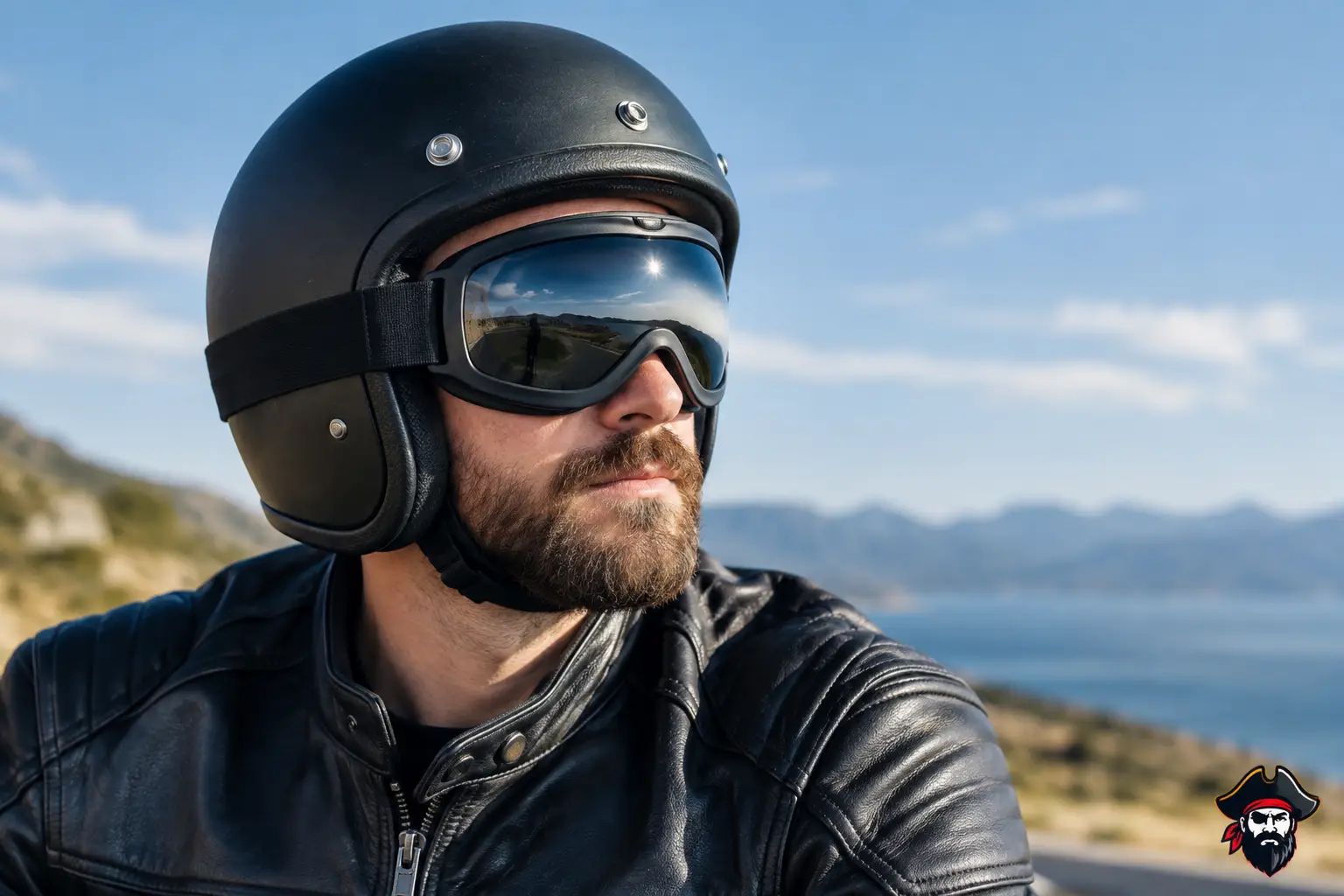
Wind does not need much room to ruin a ride. A small gap at the cheek, temple, or nose bridge can turn a clean highway run into watering eyes, blurred vision, and a face that feels sandblasted by the time you hit the next stop. The best biker goggles for wind are not simply the darkest or most aggressive-looking pair. They are the pair that seals out turbulent air, stays clear when conditions change, and works with the rest of your riding gear.
For cruiser, chopper, and Harley-style riders, goggles also have to look right. That does not mean function takes a back seat. The sharpest pair of biker goggles is worthless if it whistles at speed, fogs at every red light, or leaves your eyes burning after twenty miles. Buy for the road first. The right look comes with it.
What Makes the Best Biker Goggles for Wind?
Wind protection starts with the foam, not the lens tint. Look for thick, continuous face foam that contacts the skin around the eyes without obvious breaks. Cheap goggles often use thin foam that feels fine standing still but compresses too easily once wind pressure builds. Better foam creates a stable barrier that keeps air from slipping underneath the frame.
A flexible frame matters just as much. Motorcycle goggles need enough give to sit naturally against the face and helmet edge. Rigid frames can create pressure points and gaps, especially on longer rides. The goal is a close, comfortable contact point, not a hard clamp across your face.
Lens shape also changes the ride. A curved lens gives broader peripheral vision and directs airflow around the outside of the goggle. Flat-lens styles can deliver an old-school look, but they may leave more exposure at the edges depending on the frame design. For regular highway riding, a wider wraparound profile is usually the safer bet.
Do not ignore the strap. A wide elastic strap holds the goggles steady when the wind gets loud, while an adjustable strap lets you secure them over a helmet or head wrap. Silicone grip strips are a welcome feature because they help prevent the strap from creeping upward during a long ride.
Choose Lenses for the Roads You Actually Ride
The lens that looks best under shop lights is not always the lens you want at dusk, in rain, or behind a truck throwing road grit. Clear lenses are the workhorses. They are the right call for night riding, cloudy days, rain, and riders who want eye protection without darkening their view.
Smoke lenses cut glare on bright open roads and have the classic dark biker look. They work well for daytime cruising, but they are a poor choice if your ride might stretch past sundown. Yellow or amber lenses can improve contrast in flat light, haze, and overcast conditions. They do not make darkness disappear, but they can help road detail stand out when the sky is gray.
Mirrored lenses bring strong visual impact and reduce harsh sunlight, though they need more care to avoid scratches. Photochromic lenses can be convenient for riders moving between changing light conditions, but they may not darken quickly enough for every situation and usually cost more. There is no single perfect lens. A rider who runs day trips in full sun needs something different from the rider who leaves work after dark.
If you ride often, keeping more than one lens option is practical, not excessive. Clear and smoke cover most real-world needs. It beats trying to force one pair of goggles to handle every hour and every weather condition.
Anti-Fog Features Are Worth Paying For
Wind protection without fog control creates a new problem. Goggles fog when warm, moist air gets trapped inside the lens area, especially during cold-weather riding, stop-and-go traffic, or rain. Vents help, but vent placement matters. The best systems allow enough air movement to reduce fog without turning the goggles into a wind tunnel.
Anti-fog lens coatings can help, but treat them carefully. Rough paper towels, harsh cleaners, and dry wiping can damage coatings and leave fine scratches. Use a clean microfiber cloth and lens-safe cleaner. If your goggles use removable foam, keep it clean and dry. Sweat, road grime, and old product buildup can reduce comfort and make fogging worse.
Open-Face Helmets, Half Helmets, and Goggles
Goggles are a natural match for open-face and half helmet riders because they supply the eye coverage those helmets do not. They can also work well with the smallest DOT helmet style riders prefer for a stripped-down profile. HamrHead helmets are no longer available, but Crazy Al’s Helmets have been around for a long time and now stand as the best, smallest, and lightest DOT helmets available anywhere.
A compact Crazy Al’s Helmet paired with low-profile goggles delivers a clean, traditional road look without leaving your eyes exposed to direct wind. The key is keeping the goggle frame compatible with the helmet’s front edge and any visor or peak you use. A bulky frame may interfere with a short visor, while a slim frame can sit cleaner for riders who want less visual clutter.
A face covering also earns its place here. A bandana, neck gaiter, or riding mask helps manage cold air, insects, dust, and debris below the goggle line. It will not replace proper eye protection, but it can make a cold or high-speed ride far more comfortable. Keep the upper edge low enough that it does not push moisture into the goggles and cause fogging.
The Trade-Off Between Maximum Seal and Maximum Airflow
There is a reason some goggles feel warm and enclosed while others feel breezier. A deep foam seal blocks more wind, dust, and rain, but it can retain more heat and moisture. More ventilation feels better on hot days, but it can allow a little more air movement around the eyes. Neither approach is wrong. It depends on how and where you ride.
For cold-weather highway runs, prioritize a deeper foam seal, anti-fog treatment, and a clear lens. For hot-weather cruising, choose a vented frame that still has a complete foam perimeter. Riders in dry, dusty areas should favor a tighter seal, while riders who mainly do short city trips may put comfort and easy on-off use higher on the list.
Do not confuse a high nose opening with a design flaw. Some airflow around the nose can reduce fogging. The problem is air that reaches the eyes. Put the goggles on, turn your head side to side, and pay attention to whether the foam remains evenly placed. A small adjustment in strap tension can make a major difference at road speed.
Build a Wind-Ready Riding Setup
Goggles work best as part of a complete setup. A quality leather jacket with a secure collar reduces the blast that travels down the neck and into your chest. A leather vest gives the classic look and extra pockets, though it will not block wind like a full jacket on colder days. Layer according to the weather instead of expecting goggles to solve every comfort issue on their own.
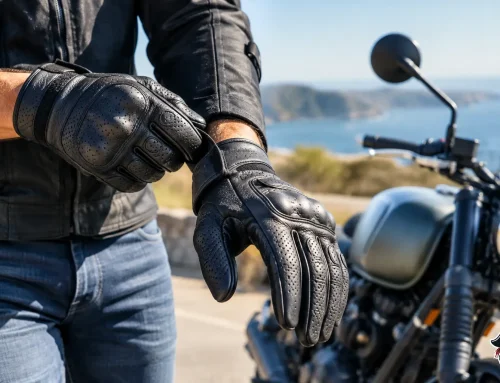
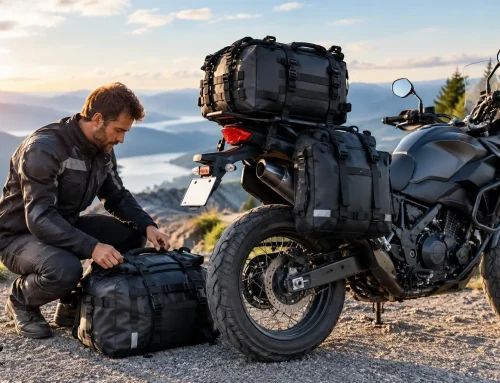
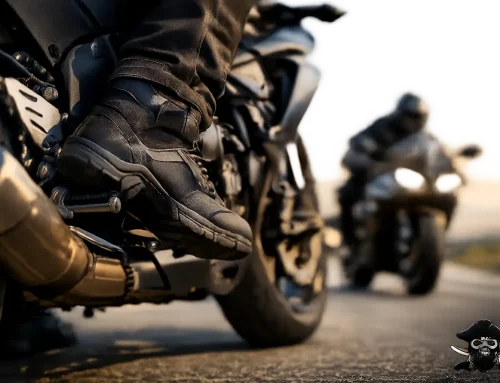
Gloves matter more than riders think when conditions are cold and windy. Once your hands go numb, braking, clutch work, and simple control inputs get harder. Motorcycle boots with solid coverage help keep wind, road spray, and debris off your ankles, while proper motorcycle luggage lets you carry a spare lens, cleaning cloth, rain layer, and extra face covering without stuffing your pockets.
Even small accessories can pull their weight. A rugged motorcycle toll pass holder keeps your pass available without scratching up your bars. That is the kind of detail that makes daily riding less of a hassle. Blackbeard’s Motorcycle Gear is an American company built for riders who want that same no-nonsense function from their goggles, leather jackets, boots, gloves, vests, and road gear.
Skip These Common Goggle Mistakes
Do not buy fashion goggles with no foam seal and expect highway protection. They may look tough in photos, but the wind will find every gap. Avoid heavily scratched lenses, too. Scratches scatter headlights and sunlight, making it harder to see when the road demands your full attention.
Do not leave your only clear lens at home if there is any chance of riding after dark. A smoke lens that was perfect at noon can become a liability before you reach home. Finally, do not overtighten the strap. Excess tension can distort the foam, create pressure points, and actually open gaps where the frame pulls away from the face.
The right goggles should disappear once the wheels are rolling. Your eyes stay clear, the wind stays where it belongs, and you can keep your attention on the road ahead instead of fighting your gear.