That first cold blast at 65 mph tells the truth fast. Do leather jackets block wind? Yes, a good leather motorcycle jacket can cut wind far better than a hoodie, flannel, or lightweight textile layer. But not every leather jacket performs the same once the road opens up.
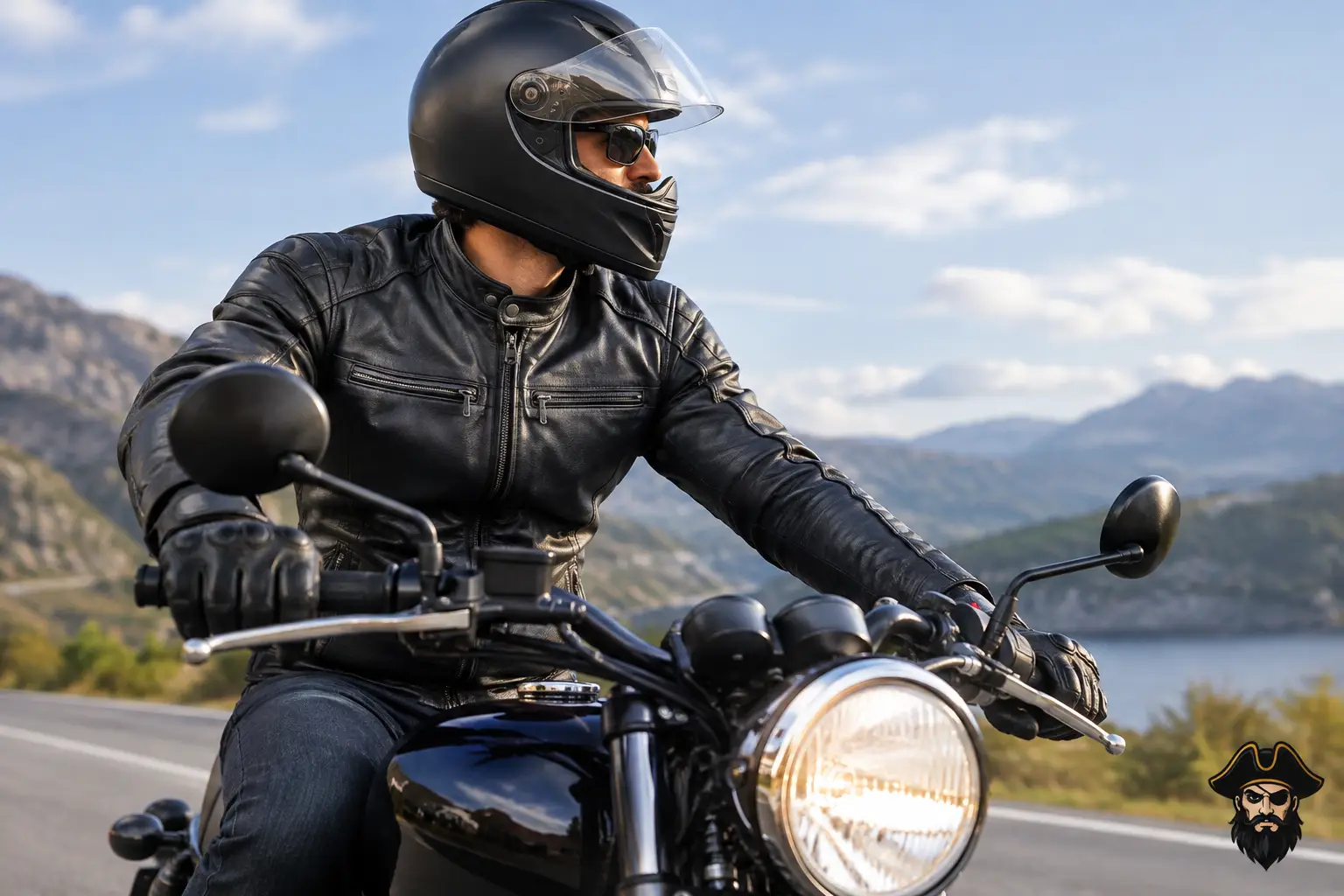
A solid riding jacket is a wind-resistant outer barrier. Dense leather, a close-fitting collar, secure cuffs, and a proper front closure keep moving air from pushing straight through to your base layer. The difference is noticeable on early morning rides, long highway stretches, and cool nights when the temperature drops after sunset.
Still, leather is not magic. Wind protection depends on the leather itself, the way the jacket is built, what you wear under it, and how much exposed air your bike puts on your chest. Riders who understand those details buy better gear and stay comfortable longer.
Do Leather Jackets Block Wind at Highway Speed?
At highway speed, quality leather does an excellent job of blocking direct wind. Full-grain or top-grain cowhide is naturally dense, and air does not pass through it the way it passes through a cotton shirt or open-knit sweatshirt. That is one reason leather has been trusted by riders for generations.
The weak points are usually not the leather panels. They are the openings. A loose collar lets air pour down your neck. Wide cuffs turn your sleeves into wind scoops. A short jacket can ride up at the waist and expose your lower back. Cheap or poorly installed zippers can also leak air through the front of the jacket.
A road-ready leather jacket addresses those trouble spots. Look for a sturdy front zipper, a snap or zippered collar, adjustable cuffs, and a cut that stays in place when you reach for the bars. A longer back panel or built-in waist adjustment can make a bigger difference than an extra ounce of leather.
Perforated leather is the clear exception. It is made for hot-weather airflow, so it will not block wind as effectively as solid leather. Perforated gear can be the right call in high summer, but it is not the jacket to grab for a cold interstate run unless you add a windproof layer underneath.
What Makes One Leather Jacket Warmer Than Another?
Leather thickness matters, but construction matters just as much. A heavier hide generally blocks wind better and holds its shape longer, especially on a moving bike. It may take more break-in time, though, and it can feel bulky during warm weather or around town.
A thinner fashion leather jacket may look sharp at a stop, but it can leave you cold when the wind starts working its way through the zipper, sleeves, and waist. That does not make it useless. It simply means it belongs in the casual category, not the all-day riding category.
The best wind-blocking leather jackets usually combine several practical features:
- Solid, non-perforated leather with substantial panel construction
- A full front zipper backed by a wind flap or close inner placket
- Snaps, zippers, or adjustable closures at the cuffs and collar
- A removable thermal liner or enough room for a warm mid-layer
- A riding cut that covers the waist when seated on the motorcycle
Those details are not flashy, but they are what turn leather from a style piece into gear you can depend on when the forecast is wrong.
Liners Do More Than Add Warmth
A thermal liner does not make leather more windproof on its own. The leather already handles most of that job. What the liner does is trap warmth after the outer shell stops the wind from stripping heat off your body.
That combination matters. Wind chill can make a mildly cool day feel brutal on a motorcycle. If cold air is blocked at the outer layer but your body has no insulation, you may still get chilled on a long ride. A removable liner gives a jacket more range, letting you run it stripped down in mild weather and built up when the temperature falls.
For colder conditions, start with a moisture-wicking base layer, add a thermal or fleece mid-layer if needed, and let the leather jacket handle the wind. Avoid bulky cotton layers when possible. Once cotton gets damp from sweat or weather, it stays cold and can make the ride miserable.
Fit Is Where Wind Protection Is Won or Lost
A leather jacket does not need to fit skin-tight to block wind, but it should not flap around like a flag. Loose material catches air, pulls at your shoulders, and creates open channels at the collar, sleeves, and waist. That gets tiring fast on a long ride.
A proper riding fit leaves room to move your arms and add a layer, while keeping the jacket close enough to your body that wind cannot balloon it. When you are seated with your hands forward, the sleeves should stay down at your wrists and the back should still cover your belt line.
Pay attention to the collar. Riders often focus on chest and shoulder room, then discover the real cold spot is their neck. A snap-tab collar, a close band collar, or a neck gaiter can shut down that draft without loading up on extra layers everywhere else.
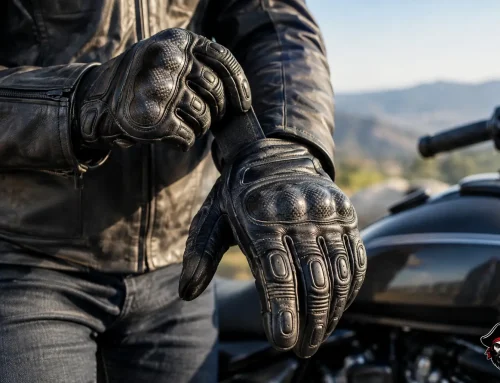
The same principle applies below the jacket. If cold air is reaching your wrists, a dependable pair of leather gloves with secure cuffs will help. If it is rolling up your back, a vest over or under the jacket can add coverage and insulation. Wind protection works best as a system, not as one expensive piece trying to do everything.
Your Motorcycle Changes the Answer
The bike matters. A rider behind a full fairing and windshield has a very different experience from someone riding a stripped-down chopper, cruiser, or naked bike. Less wind hitting your chest means your leather jacket has an easier job. With no fairing, every seam and opening gets tested.
Riding position counts too. An upright cruiser rider presents a broad target to the wind, while a rider leaning forward may feel pressure differently across the shoulders, wrists, and lower back. On either setup, a well-built leather jacket remains one of the strongest outer layers you can wear.
Rain is another trade-off. Leather blocks wind well, but it is not automatically waterproof. A light shower may bead up for a while on treated leather, yet steady rain can soak it over time and leave it heavy. If wet-weather rides are part of the plan, carry dedicated rain gear or use a waterproof outer shell over your leather. Keep the leather conditioned afterward so it does not dry out or stiffen.
Leather Jacket vs. Textile for Wind Blocking
Textile motorcycle jackets can be extremely effective against wind, particularly when they use windproof membranes and sealed closures. They are often lighter, easier to pack, and more adaptable across changing weather. For riders who deal with frequent rain, extreme cold, or big temperature swings, textile gear has real advantages.
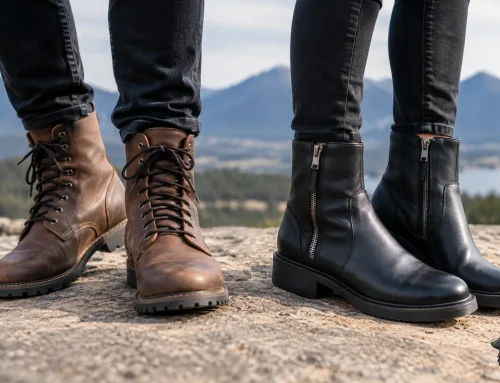
But leather brings a different kind of value. It has natural wind resistance, durable structure, classic road presence, and a broken-in character that synthetic materials cannot copy. For cruiser and Harley-style riders, a quality leather jacket looks right because it is right for the job. It holds up to the road, pairs naturally with leather boots and gloves, and does not go out of style when the season changes.
Blackbeard’s Motorcycle Gear focuses on quality riding leathers built for riders who want that function without giving up the look. The goal is simple: gear that feels ready when the wind picks up and still looks tough when the kickstand goes down.
Get More Wind Protection From the Gear You Already Own
Before replacing your jacket, check the small details. Close every cuff snap or zipper. Fasten the collar. Use the jacket’s waist adjusters if it has them. Add a neck gaiter on colder rides, and choose gloves that overlap or seal against your sleeves.
Keep the leather clean and conditioned, too. Conditioning will not turn it into a rain suit, but it helps preserve the hide’s flexibility and finish. Cracked, neglected leather is not what you want facing miles of wind, sun, and road grime.
If your current jacket is thin, perforated, or loose, layer smart before writing it off. A windproof base or mid-layer can stretch its useful season. If you ride hard through fall and spring, though, a solid non-perforated leather motorcycle jacket with a thermal liner is money well spent.
When the road gets cold, do not wait for numb hands and a shivering chest to tell you your gear is not pulling its weight. Seal up the gaps, layer with purpose, and let a real leather riding jacket do what it was built to do.