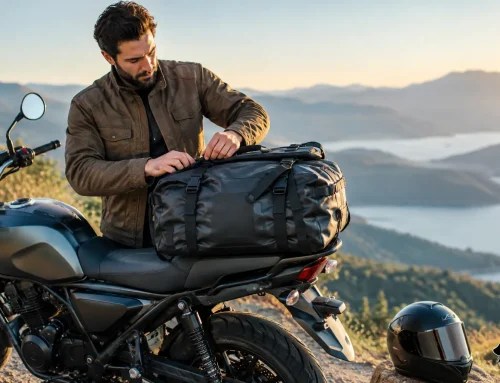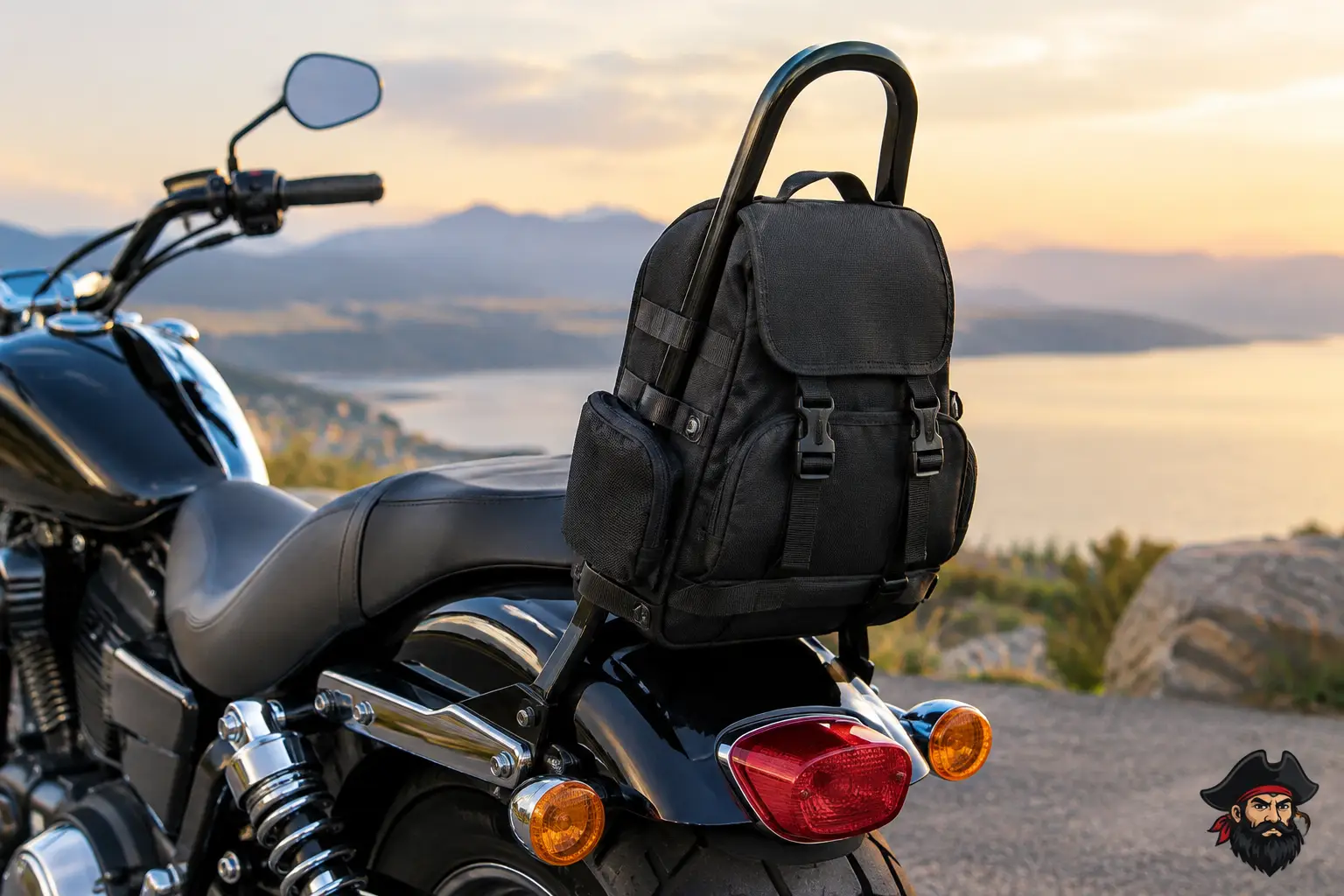
A sissy bar bag can turn a stripped-down cruiser into a bike you can actually live out of for a weekend. But a bad bag is worse than no bag at all: it shifts in the wind, sags against the fender, leaks when the weather turns, and makes every stop feel like a packing mistake. This motorcycle sissy bar bag review cuts through the catalog noise and focuses on what matters when the road gets long.
For cruiser, chopper, and Harley-style riders, the right bag is not just a place to stash a hoodie. It needs to suit the bike, stay planted at highway speed, and carry the gear you refuse to leave behind. That means looking past a product photo and judging the bag by its mounting, materials, usable storage, and weather readiness.
What a Good Motorcycle Sissy Bar Bag Must Do
The first job is simple: stay locked down. A sissy bar bag should attach firmly to the backrest with adjustable straps, quick-release buckles, or a combination of both. The best setups also secure around the luggage rack or lower frame points. One connection at the top is not enough for a loaded bag. It may look fine parked outside a diner, then start rocking side to side once you hit 70 mph.
Check where the straps land on your bike. Long strap tails can flap against paint, chrome, or a rear fender if they are not secured. A bag that includes extra tie-down points gives you more control, especially if your sissy bar is tall, narrow, short, or mounted above an extended rack. Fitment is never one-size-fits-all with custom-looking bikes, so adjustable mounting is worth paying for.
A proper bag should also hold its shape. Soft luggage has its place, but a completely unstructured bag becomes a lump once you load it with clothes, tools, rain gear, and whatever you picked up on the road. Reinforced panels, a supported base, and stiff side walls keep the load balanced and make the bag easier to pack.
Motorcycle Sissy Bar Bag Review: Storage That Works
Capacity numbers can be misleading. A large main compartment sounds great until you realize it is one deep hole where gloves, chargers, sunglasses, and registration papers disappear under your jacket. Real-world storage comes from layout, not just size.
A useful sissy bar bag usually has a main compartment for larger gear, separate outer pockets for fast-access items, and a dedicated place for small essentials. The better designs make it easy to grab rain gear at a fuel stop without unloading half the bag onto the pavement. Exterior pockets are especially valuable for toll money, a phone cable, a small flashlight, or a compact tool roll.
Think honestly about how you ride. For day rides, a compact bag that carries a hoodie, gloves, water, and a few personal items keeps the bike clean without adding bulk. For overnight runs, you need enough room for a change of clothes, toiletries, layers, and weather gear. A larger bag makes sense for touring, but only if it does not tower over the passenger seat or interfere with your riding position.
Expandable bags can be a smart middle ground. Run them compact for local miles, then open the expansion section when a weekend trip calls. The trade-off is that expansion zippers and extra panels create more seams, which means more places where water can work its way in if the construction is cheap.
Leather, Synthetic, or Textile?
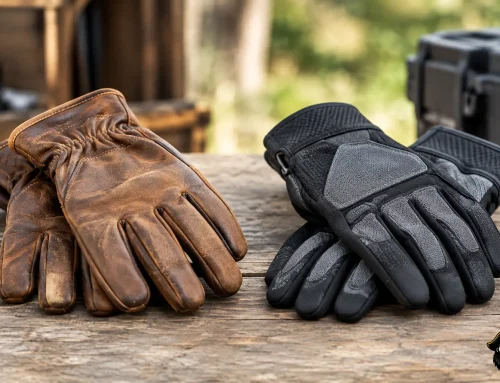
Leather looks right on a cruiser for a reason. A quality leather sissy bar bag brings a hard-edged, classic look that matches a leather jacket, vest, saddlebags, and boots. It can also handle years of use when it is made from substantial leather, reinforced properly, and cared for. Cheap thin leather or bonded material is another story. It can crack, sag, and lose its shape fast.
If you choose leather, inspect the details that determine whether it will last. Strong stitching, reinforced stress points, solid buckles, and a supported bottom matter more than decorative conchos or flashy fringe. Leather needs occasional cleaning and conditioning, but riders who want traditional style usually consider that part of ownership, not a burden.
Synthetic leather can deliver the blacked-out biker look at a lower price and with less maintenance. It is a practical pick for riders who want a clean appearance without worrying as much about conditioning. Still, it does not age like genuine leather, and extreme heat or years of sun exposure can show its limits.
Textile bags usually win on outright weather resistance and lighter weight. They often include more pockets, rain covers, and modern organization. On a bagger or touring bike, that can be the right call. On a stripped cruiser, though, some riders will prefer the visual weight and road-worn character of leather. Neither choice is wrong. Buy for the miles you ride and the look you want to keep.
Weather Protection Is More Than a Rain Cover
A rain cover is useful, but it should not be the only defense against weather. Water-resistant outer material, protected zipper tracks, covered seams, and a raised or reinforced base all help keep gear dry. If a bag sits close to the rear tire, the underside takes a beating from road spray. That is where cheap materials get exposed fast.
Look at how the bag closes. Heavy-duty zippers with storm flaps offer better protection than exposed lightweight zippers. Buckle closures can add a classic look, but they should be backed by a zipper or inner flap if you expect to ride through rain. Otherwise, water can push in from the top during sustained highway riding.
Do not assume “water-resistant” means waterproof. A water-resistant bag can handle a light shower or a wet parking lot. A waterproof setup is built to keep contents dry through serious rain. If you carry electronics, extra gloves, or clean clothes, pack those items in separate dry bags inside the main compartment. It is cheap insurance and does not depend on marketing language.
The Details That Separate a Bargain From a Problem
The difference between a solid deal and a future headache often comes down to hardware. Plastic clips may be fine on a light day bag, but metal buckles, heavy-duty straps, reinforced D-rings, and quality zippers inspire more confidence on a loaded touring setup. Grab handles should feel strong enough to lift the bag when it is full, not like an afterthought stitched onto the lid.
Security deserves attention too. Most soft bags can be opened or removed by a determined thief, so do not leave valuables in them unattended. Lockable zipper pulls can discourage casual tampering, while a bag that can be quickly removed lets you carry it into a hotel or restaurant. Quick removal is convenient, but make sure the release system cannot work loose during a ride.
Style still counts. Your luggage is part of the bike’s profile, especially on a cruiser where every visible piece has a job. A clean black leather bag works with nearly any build. Studs, conchos, braiding, fringe, and chrome hardware make a stronger old-school statement. A plain textile bag may be the most practical option, but it can look out of place on a traditional custom. Buy the bag that fits your bike’s attitude without sacrificing the basics.
Pair Your Luggage With Gear Built for the Ride
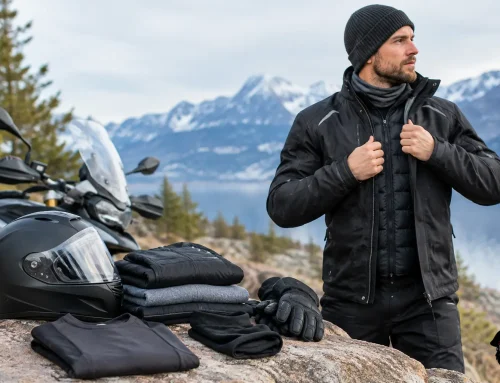
A loaded bike changes the kind of gear you reach for. A dependable leather jacket or riding vest gives you useful pockets and road-ready coverage without killing the cruiser look. Proper motorcycle boots give you firm footing at fuel stops, and good gloves make a long day easier on your hands when the temperature drops or rain moves in.
Small accessories can save aggravation too. Keep toll access simple with a rugged toll pass holder that will not scratch your bars, rather than digging through a packed bag at every booth. Blackbeard’s Motorcycle Gear carries biker-focused luggage and riding gear for riders who want function that looks right on the bike.
The best sissy bar bag is not necessarily the biggest or the flashiest. It is the one that mounts tight, protects what you pack, and still looks right after thousands of miles. Load it with the gear you need, cinch every strap down, and let the road decide the rest.