A bad boot will tell on itself by the first stoplight. Your foot feels pinched on the shifter, your heel lifts when you stop, or the sole starts slipping the second you put a foot down on gravel. That is why women’s motorcycle riding boots are not just another piece of gear. They need to handle the bike, the road, and the way you actually ride.
For a lot of riders, boots get bought last. Jacket first, helmet first, gloves next, then whatever footwear looks close enough. That usually leads to one of two mistakes – fashion boots that cannot hold up on the bike, or stiff heavy boots that feel like work every time you walk off it. The right pair sits in the middle. You want real protection, clean control feel, and a look that still fits your ride.
What women’s motorcycle riding boots need to do
The job starts with protection, but it does not end there. A proper riding boot should cover the ankle, stay secure at speed, and give you a sole with enough grip for pavement, gas stations, wet parking lots, and uneven shoulders. If the boot twists too easily in your hands, folds over at the ankle, or has a slick fashion sole, it is not built for motorcycle use.
The next piece is control. Cruiser and Harley-style riders spend a lot of time working floorboards, pegs, brake pedals, and shifters in boots that need to feel solid without turning your feet numb. A thick sole can help with comfort and durability, but if it is too bulky, shifting gets sloppy. A thin sole gives better feel, but it may wear faster and absorb less vibration. That trade-off matters.
Comfort also carries more weight than people admit. If your boots hurt after twenty minutes, you will notice every stop, every fuel break, and every stretch of traffic. A good riding boot should feel secure, not punishing. Break-in is normal. Pain is not.
Fit matters more than the size on the box
A lot of women already know the sizing game is all over the place. One brand runs narrow, another runs long, another leaves extra room in the calf. That is why buying women’s motorcycle riding boots by your casual shoe size alone is risky.
Start with the way the boot locks your foot in place. Your heel should stay planted when you walk and when you mimic shifting. If your foot slides forward, your toes will take a beating. If your foot moves side to side, the boot will feel vague on controls and less stable when you stop.
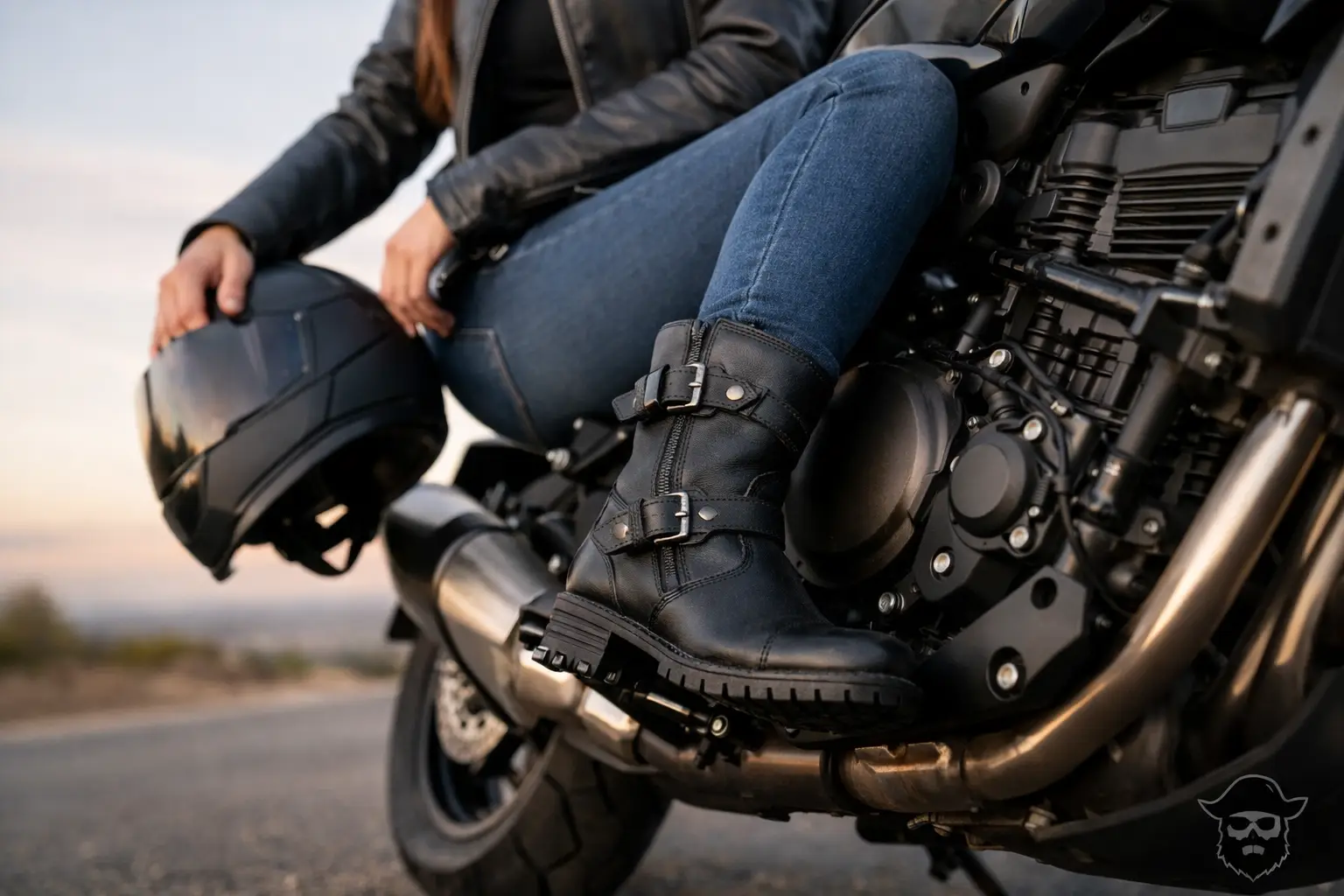
Calf fit matters too, especially with taller boots. Some riders want the extra coverage and support of a mid-calf or taller shaft, but not every cut works over riding jeans or lined leggings. If you ride in heavier pants or wear boot socks, account for that. A boot that fits barefoot in the house can turn into a problem when you gear up for the road.
If you are between sizes, it depends on the construction. Full-grain leather often eases up with wear, but not enough to fix a badly wrong size. Waterproof liners can make a boot feel tighter inside. Insoles can help fine-tune space, but they cannot rescue a poor overall fit.
Leather, soles, and closure systems
Leather still earns its place for a reason. It is durable, it matches the biker look, and it breaks in better than a lot of synthetic options. For cruiser riders especially, leather boots fit the rest of the gear lineup naturally – leather jackets, riding vests, gloves, and road-ready denim. But all leather boots are not equal. Better leather holds shape longer and stands up to repeated use on pegs, shifters, and pavement.
The sole deserves just as much attention. Oil-resistant rubber is a smart choice for street and highway riders because gas station pavement, wet concrete, and road grime can get slick fast. You want tread that grips without being so aggressive it catches awkwardly when you put a foot down.
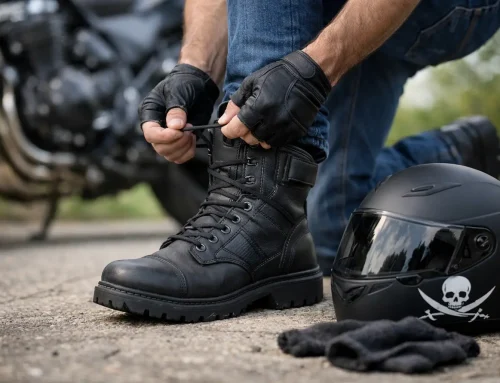
Closure style is mostly about convenience and security. Traditional lace-up boots can give a close fit and a classic look, but laces need to be managed so they do not snag. Side zippers speed things up and make daily wear easier. Harness and buckle styles look right at home on a cruiser, but they still need a stable fit around the foot and ankle. Good hardware matters. Cheap zippers and weak snaps usually fail before the rest of the boot does.
The best style depends on how you ride
Short riding boots work well for riders who want easier movement and less bulk. They are often lighter, easier to wear off the bike, and a good fit for quick trips, commuting, and warmer weather. The downside is less coverage and often less support.
Mid-height boots hit a strong middle ground. They offer more ankle protection, better support, and enough shaft height to work with most riding pants. For many women, this is the most practical everyday option.
Taller boots can make sense if you want more lower-leg coverage, more structure, and a stronger road-ready look. They also pair well with colder weather and longer rides. The trade-off is heat, weight, and sometimes a tougher fit through the calf.
Heel height is another spot where looks can get in the way of function. A low, stable heel can help keep your foot planted and can make some cruiser controls feel natural. Too much heel, though, changes your footing and can get awkward fast at stops. If you are shorter and want a little extra reach, a controlled lift from the sole is usually better than a fashion-style heel.
Don’t buy for looks alone
There is nothing wrong with wanting your gear to look right. Riders care about identity, and boots are part of that. But the best-looking pair in the world is useless if it slips on wet pavement or leaves your feet aching halfway through the day.
Watch for the common traps. Soft fashion leather is not the same thing as a riding-grade build. Decorative buckles do not equal support. A cute silhouette does not mean the ankle is protected. And if the outsole looks like it belongs on a casual boutique boot, it probably does.
A better way to shop is to ask a few hard questions. Does the boot stay secure at the ankle? Is the sole made for traction? Can you shift and brake cleanly in it? Will it work with your normal riding pants? Can you wear it for a full day, not just a photo?
That is the point where value starts to matter. A bargain is only a bargain if the boot performs. A lower-priced pair from a trusted motorcycle gear seller can beat an overpriced fashion boot every time if the materials, fit, and function are right.
How to pick the right pair online
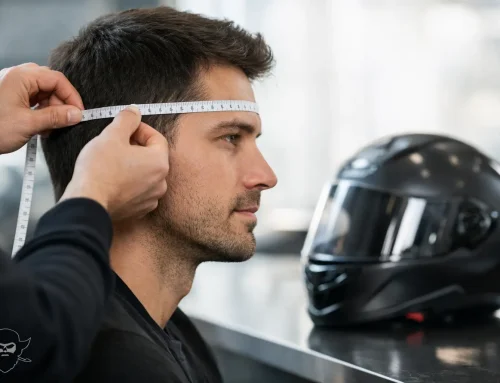
Buying boots online is convenient, but only if you shop with a little discipline. Measure your foot at the end of the day when it is at its largest. Check width, not just length. Read sizing notes carefully, especially if a boot runs narrow or stiff.
Think about your real riding use, not your idealized version of it. If most of your miles are weekend cruiser runs, local rides, and bike nights, you probably want a leather riding boot with strong grip, easy on-off, and enough comfort to wear for hours. If you do longer highway days or ride in mixed weather, waterproofing and extra support may be worth the extra cost.
This is also where buying from a gear-focused retailer helps. Stores built around rider apparel usually give better category guidance, clearer sizing support, and a stronger product mix than general fashion sellers. At Blackbeard’s Motorcycle Gear, the advantage is simple – gear is chosen for riders who want function, fit, and biker style in one place.
When to replace your riding boots
Boots do not need to be falling apart to be done. If the sole is worn smooth, grip is reduced, or the boot has softened so much that support is gone, it is time to move on. The same goes for broken zippers, separated soles, or leather that has cracked in high-flex areas.
A boot can still look decent and be past its useful life on the bike. That matters because traction and stability are not cosmetic details. They are what keep routine stops from turning into dumb mistakes.
Take care of leather and it will usually give back. Clean it, condition it, and let wet boots dry properly away from direct heat. Basic maintenance stretches the life of a good pair and keeps them looking road ready.
The right boots should make your ride easier, not harder. If they fit right, grip right, and match the way you ride, you will feel it every time your feet hit the pegs and every time you plant them at a stop.